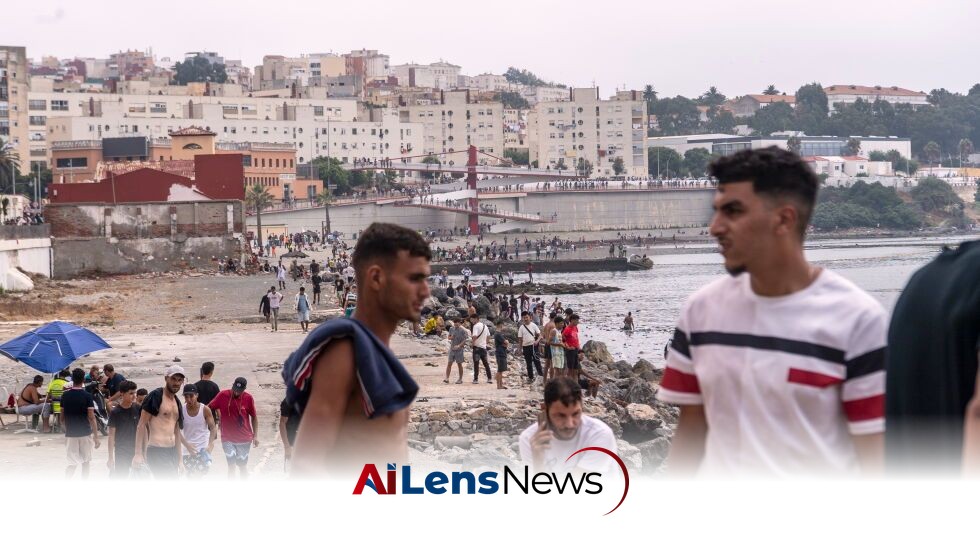


Amidst a surge in migration, Moroccans are making desperate attempts to reach Spain, driven by hopes for a better life. Abdulah Buji shares his journey as he joins thousands in a collective crossing.
Washington DC, United States Aug 2, 2026 ALN: In a dramatic surge of migration, thousands of Moroccans have attempted to cross into Spanish territory, seeking a better future. The recent breach of the border saw Abdulah Buji, a local resident, racing on his motorbike to join the masses swimming towards Ceuta, a Spanish enclave on the northern coast of Africa. This event underscores the ongoing and complex migration crisis that has been affecting many North African countries as individuals look for opportunities and a chance to escape the socio-economic challenges they face at home.
For many, the journey is not just about crossing a physical border; it represents a leap towards hope and opportunity. Abdulah, like many others, expressed a deep desire for change, stating, "I just want a chance." This sentiment resonates with countless individuals who feel trapped in their current circumstances. Economic instability, high unemployment rates, and a lack of access to basic services in Morocco have fueled this wave of migration. Many young people, in particular, are seeking a future that they believe is unattainable in their home country.
In recent years, Morocco has faced a myriad of challenges, including economic downturns exacerbated by the COVID-19 pandemic. The pandemic not only impacted the global economy but also hit local businesses hard, leading to a rise in unemployment and poverty levels. This has left many Moroccans feeling disillusioned and desperate for change. The allure of Europe, often perceived as a land of opportunities, drives many to take the perilous journey across the Mediterranean Sea, despite the inherent risks involved.
The journey to Ceuta is fraught with danger and uncertainty. Many migrants face treacherous waters and the risk of being apprehended by authorities. The Mediterranean Sea is notorious for its rough conditions, and numerous lives have been lost in attempts to make the crossing. Reports indicate that many individuals have to navigate not only the physical dangers of the sea but also the psychological toll of leaving their families behind and the fear of what lies ahead.
Despite these challenges, the allure of a better life in Europe continues to draw individuals from various backgrounds. Migrants often come from diverse regions within Morocco, each with their own stories of hardship and resilience. Some are fleeing political instability, while others are simply seeking economic opportunities that are increasingly scarce in their home country. The motivations for migration are complex and multifaceted, reflecting a broader trend affecting many countries in the region.
Local communities in Morocco have shown mixed reactions to the mass crossings. While some express solidarity with the migrants, others fear the implications of such large-scale movements. The influx of individuals seeking to cross into Ceuta has raised concerns regarding the local economy, social services, and community resources. Some community members worry that the sudden increase in population could strain already limited resources, while others empathize with the migrants’ plight and recognize the need for support.
Humanitarian organizations are stepping in to provide assistance, but the need for a comprehensive solution to the migration crisis remains urgent. These organizations work tirelessly to offer food, shelter, and medical care to those who have made the journey. They also advocate for the rights of migrants, emphasizing the importance of treating individuals with dignity and respect. However, the scale of the crisis often overwhelms available resources, making it difficult to provide adequate support for everyone in need.
The situation has sparked discussions about immigration policies and the responsibilities of both Moroccan and Spanish governments. As the number of crossings increases, both nations are under pressure to address the root causes of migration and find sustainable solutions. The Spanish government has faced criticism for its handling of migration, with calls for more humane policies that consider the needs and rights of migrants.
Additionally, Morocco's role as a transit country for many migrants seeking to reach Europe has put it in a complex position. The Moroccan government has been working with European nations to manage migration flows, but this has often led to tensions between maintaining border security and addressing humanitarian concerns. The challenge lies in balancing these priorities while ensuring that the rights of migrants are upheld.
Moreover, the migration crisis is not solely a regional issue; it has international implications that require a coordinated response. European countries are grappling with how to manage migration in a way that is both effective and humane. The European Union has implemented various measures aimed at controlling migration, including agreements with North African countries to bolster border security and reduce the number of crossings. However, these measures have been met with mixed reactions, as they often prioritize border control over the humanitarian needs of migrants.
As discussions around migration policy continue, the voices of migrants themselves must also be heard. Their stories highlight the human aspect of this crisis, emphasizing that behind every statistic is an individual with dreams, aspirations, and a desire for a better life. Engaging with migrants and understanding their experiences can help shape more effective and compassionate policies that address the root causes of migration.
The collective crossing of Moroccans into Spanish territory highlights the ongoing migration crisis and the desperate search for a better life. As individuals like Abdulah Buji take risks to pursue their dreams, the need for dialogue and action on immigration policies becomes ever more critical. The situation calls for a collaborative approach that addresses the underlying issues driving migration, while also ensuring the protection and rights of those who embark on this perilous journey. As the world continues to grapple with the complexities of migration, it is essential to foster understanding and compassion, recognizing that the quest for a better future is a universal aspiration shared by many.
To learn more about the latest developments in Culture & Society, stay updated with our exclusive reports and analyses on AiLensNews.

