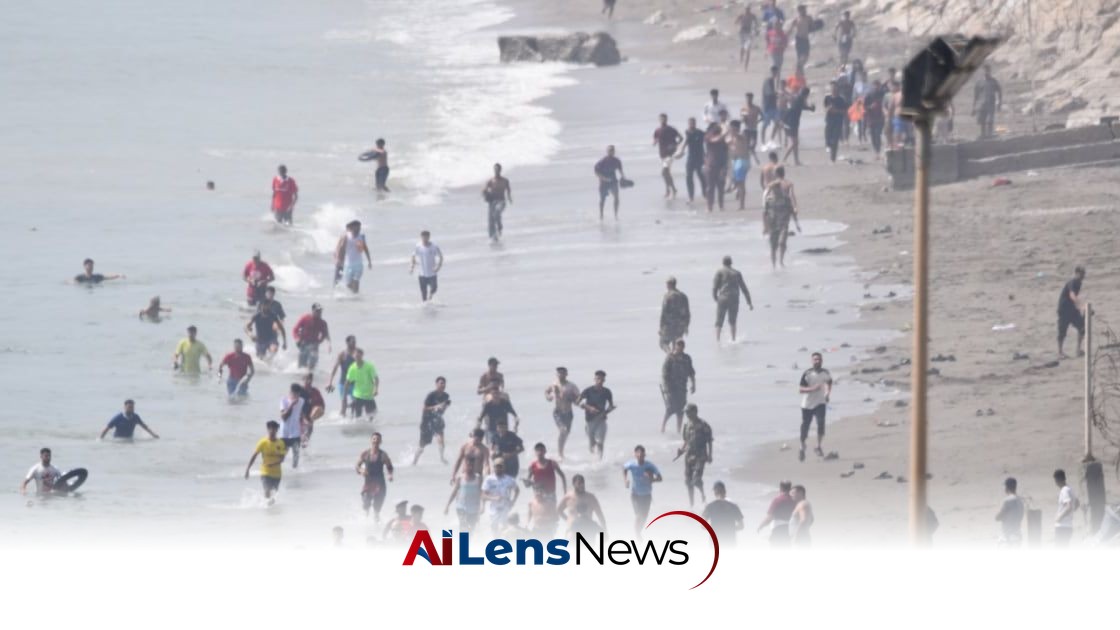


A surge of migrants into Ceuta has led to chaos and numerous fatalities, drawing global attention and concern.
Washington DC, United States Aug 1, 2026 ALN: Recent images have emerged showing tens of thousands of migrants attempting to rush into Ceuta, a Spanish enclave located on the northern coast of Africa. This unprecedented influx has resulted in tragic consequences, with dozens of individuals reported dead amidst the chaos. The images depict harrowing scenes of desperation, as people from various backgrounds and nationalities attempt to cross the border in search of safety and a better life. The sheer number of individuals involved has overwhelmed local resources and prompted a humanitarian crisis that is drawing attention from around the globe.
Ceuta, along with its sister enclave Melilla, is one of the only land borders between Europe and Africa. This geographical positioning makes it a focal point for migrants seeking to enter Europe. Many of these individuals come from war-torn countries, regions plagued by poverty, or areas experiencing political instability. As they face dire circumstances in their home countries, the allure of Europe as a land of opportunity remains strong. However, the journey is fraught with peril, and the recent surge has only highlighted the risks associated with such desperate attempts to seek asylum.
The situation has sparked widespread reactions around the world, highlighting the ongoing migrant crisis that continues to affect many regions. The European Union has faced ongoing challenges in formulating a cohesive response to migration, often resulting in fragmented policies that fail to address the complexities of the issue. In recent years, the EU has attempted to bolster border security while also committing to humanitarian efforts, but the balance between these two objectives remains a contentious topic among member states. The events in Ceuta serve as a stark reminder of the urgent need for a unified approach to migration, one that prioritizes both security and human rights.
Authorities in Ceuta are struggling to cope with the sudden surge, leading to heightened tensions and urgent calls for international support. Local law enforcement and humanitarian organizations are stretched thin as they attempt to provide basic necessities such as food, water, and medical care to the influx of migrants. The local population, already facing its own challenges, is grappling with the implications of the crisis. There have been reports of clashes between migrants and security forces, as well as instances of individuals attempting to scale the border fences in desperate bids to enter the enclave. This has raised concerns about the safety and security of both migrants and residents alike.
The humanitarian implications of this crisis are profound, as many migrants risk their lives in search of safety and stability. The journey to Ceuta often involves crossing dangerous waters and navigating treacherous terrain, with many individuals falling victim to human trafficking or exploitation along the way. Those who manage to reach Ceuta face the possibility of being detained or deported, adding to the uncertainty and fear that permeates the migrant experience. The deaths reported amidst the chaos serve as a tragic reminder of the stakes involved in this ongoing crisis, underscoring the urgent need for effective and compassionate responses.
As the situation develops, global leaders and organizations are being urged to address the root causes of migration and to provide assistance to those affected by this tragic event. The international community has a responsibility to engage with the complexities of migration, recognizing that it is often driven by factors such as conflict, economic disparity, and environmental degradation. Addressing these root causes requires coordinated efforts that include diplomatic engagement, development aid, and support for local communities in both the migrants' countries of origin and transit.
In light of these events, it is crucial for the international community to come together to find sustainable solutions that prioritize human rights and dignity. This includes ensuring that migrants are treated with respect and that their rights are upheld throughout the migration process. The establishment of safe and legal pathways for migration, as well as robust asylum systems, can help mitigate the dangers faced by individuals seeking refuge. Additionally, there is a pressing need for countries to collaborate on sharing the responsibility of hosting migrants, as no single nation can shoulder the burden alone.
Furthermore, public sentiment towards migration varies widely across different regions and countries, often influenced by political rhetoric and media portrayals. In many cases, migrants are unfairly scapegoated for broader societal issues, leading to xenophobia and discrimination. It is essential for governments and civil society to work together to foster understanding and compassion towards migrants, emphasizing their humanity and the contributions they can make to society.
As the crisis in Ceuta unfolds, it serves as a critical juncture for policymakers and the international community. The decisions made in response to this situation will have lasting implications for the future of migration policy, humanitarian assistance, and international cooperation. It is an opportunity to reaffirm commitments to human rights and to ensure that the dignity of all individuals is upheld, regardless of their circumstances. The world watches as Ceuta becomes a symbol of both the challenges and the potential for collective action in addressing one of the most pressing issues of our time.
To better understand the context of the current crisis in Ceuta, it is essential to look at the broader trends in global migration. Over the past decade, the number of people fleeing conflict, persecution, and economic hardship has surged. According to reports from various humanitarian organizations, millions of individuals have been displaced from their homes, with many seeking refuge in Europe. The Mediterranean Sea has become a perilous route for many migrants, with thousands losing their lives each year in attempts to cross to Europe. The journey is often facilitated by human traffickers who exploit vulnerable individuals, further complicating the migration landscape.
Ceuta and Melilla, being European territories on African soil, present unique challenges in terms of migration management. The Spanish government, along with the EU, has implemented various measures to strengthen border security, including the construction of fences and increased patrols. However, these measures have often been criticized for failing to address the humanitarian needs of migrants. Critics argue that the focus on security has overshadowed the need for humane treatment and adequate support for those seeking asylum.
The local communities in Ceuta and Melilla have also been impacted by the influx of migrants. While some residents have shown solidarity and support for those in need, others have expressed concerns about the strain on local resources and services. This has led to a complex dynamic where the arrival of migrants is seen both as a humanitarian crisis and a challenge to local stability. The tensions between migrants and local residents can sometimes escalate into confrontations, further complicating the situation.
Internationally, the response to the crisis has varied significantly. Some countries have taken a more welcoming approach, offering asylum and support to migrants, while others have adopted stricter immigration policies. The lack of a unified response has led to a patchwork of policies that often leave migrants in precarious situations. The situation in Ceuta serves as a microcosm of the larger global migration crisis, illustrating the urgent need for comprehensive solutions that address both the humanitarian and security aspects of migration.
In conclusion, the tragic events unfolding in Ceuta highlight the complex and multifaceted nature of migration in the modern world. As the international community grapples with how to respond to this crisis, it is imperative that solutions prioritize the dignity and rights of migrants. The ongoing situation serves as a reminder of the shared responsibility of nations to protect those in need and to work collaboratively towards sustainable solutions that address the root causes of migration. Only through a comprehensive and compassionate approach can the cycle of desperation and tragedy be broken, paving the way for a future where individuals can seek safety and stability without fear of persecution or loss of life.
To learn more about the latest developments in Culture & Society, stay updated with our exclusive reports and analyses on AiLensNews.

