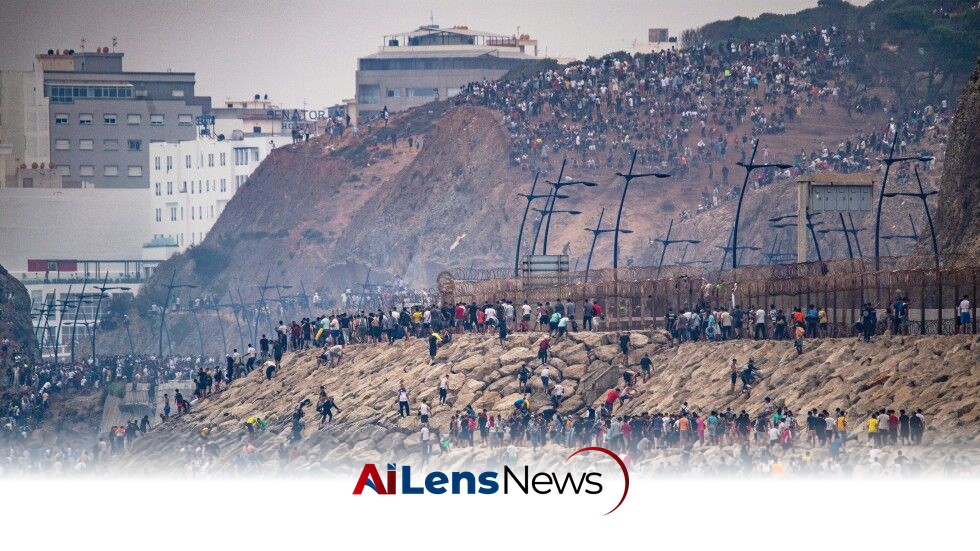


Tens of thousands of migrants who crossed into Spain’s Ceuta territory have returned voluntarily to Morocco, highlighting ongoing migration challenges.
Washington DC, United States Aug 1, 2026 ALN: In a significant development, tens of thousands of migrants who had crossed into Spain's Ceuta territory have voluntarily returned to Morocco. This mass return underscores the ongoing challenges and complexities surrounding migration in the region, which has been a focal point for migrants seeking entry into Europe. The situation in Ceuta has drawn attention not only for its immediate humanitarian implications but also for its broader impact on migration policies and border security in Europe.
Ceuta, a small Spanish enclave located on the northern coast of Africa, is one of two European territories that share a land border with Morocco, the other being Melilla. Its geographical position makes it a critical entry point for migrants attempting to reach Europe, often fleeing conflict, poverty, and persecution in their home countries. The recent influx of migrants into Ceuta raised concerns over border security and humanitarian conditions, leading to an urgent need for effective management and support systems.
The situation escalated as thousands breached the border from Morocco, seeking refuge and better opportunities in Europe. Many individuals were driven by dire circumstances in their home countries, including war, economic instability, and human rights violations. Countries like Syria, Afghanistan, and various regions in sub-Saharan Africa have seen significant emigration due to these factors. The perilous journey across the Mediterranean Sea has become a common route for many, despite the risks involved, including the threat of drowning, exploitation by traffickers, and harsh treatment by authorities.
In recent years, Ceuta and Melilla have experienced fluctuating numbers of migrants attempting to cross into Spain. The European Union's policies on migration, which often emphasize border security and deterrence, have influenced the dynamics of this migration crisis. The EU has implemented various measures aimed at curbing irregular migration, including agreements with third countries to manage migrant flows and funding for border security initiatives. However, these measures have not always addressed the root causes of migration, leading to continued human movement towards Europe.
In response to the surge in migrant numbers, the Spanish government deployed military personnel to Ceuta to manage the situation and ensure order. This military presence was intended to support border guards and local law enforcement in handling the influx of migrants, which had overwhelmed existing facilities and resources. Authorities have been working to process the migrants and provide necessary support, including food, shelter, and medical care. However, the sheer volume of arrivals has posed significant challenges, leading to overcrowding in temporary shelters and heightened tensions among both migrants and local residents.
The Spanish government has also faced criticism for its handling of the situation, with human rights organizations raising concerns about the treatment of migrants and the conditions in which they are held. Reports of pushbacks, where migrants are forcibly returned to Morocco without due process, have sparked outrage and calls for more humane policies. The situation in Ceuta has drawn attention to the broader European migration framework, which often prioritizes border control over the protection of migrants' rights.
As conditions in Ceuta became increasingly strained, many migrants chose to return to Morocco voluntarily. This decision highlights the challenges they faced in adapting to life in the enclave, where resources were limited and uncertainty loomed. For some, the prospect of remaining in Ceuta was less appealing than returning to their home country or attempting to navigate the complex and often dangerous journey towards other European destinations.
The voluntary return of migrants to Morocco raises important questions about their future. Many of those who returned may face the same challenges that prompted their initial migration, including economic hardship and lack of opportunities. The Moroccan government has been involved in discussions with Spain and the EU regarding the management of migration, but the effectiveness of these strategies in addressing the underlying issues remains to be seen.
The mass return of migrants raises questions about the future of migration policies in Europe and the need for comprehensive solutions to address the root causes of migration. As the situation evolves, both Spain and Morocco will need to collaborate on strategies that prioritize human rights and safety. This collaboration could involve improving conditions for migrants in Morocco, enhancing legal pathways for migration, and addressing the socio-economic factors that drive people to seek refuge in Europe.
Moreover, the situation in Ceuta underscores the need for a unified European approach to migration. As member states grapple with their own national interests and public sentiments regarding immigration, a cohesive strategy that balances security with humanitarian obligations is crucial. The EU's ability to respond effectively to migration challenges will be tested in the coming years, particularly as global crises continue to displace populations.
In conclusion, the recent developments in Ceuta reflect the ongoing complexities of migration in Europe. As tens of thousands return to Morocco, the need for effective policies and humanitarian support remains critical. The interplay between migration, border security, and human rights will continue to shape the discourse around migration in Europe, necessitating a thoughtful and compassionate approach to one of the most pressing issues of our time.
As this situation unfolds, it is imperative for policymakers to engage in dialogue with various stakeholders, including non-governmental organizations, local communities, and international bodies, to create a more inclusive and effective migration framework. The experiences of migrants who have returned to Morocco can offer valuable insights into the challenges they face and the support they need. Additionally, understanding the motivations behind migration can help in formulating policies that do not merely focus on deterrence but also on providing viable alternatives for those seeking a better life.
Ultimately, the complexities of migration require a multifaceted approach that considers the socio-economic, political, and humanitarian aspects of the issue. As Europe grapples with its identity and values in the face of migration, it will be crucial to ensure that the rights and dignity of all individuals are upheld, regardless of their status or circumstances. The path forward will demand not only cooperation between nations but also a commitment to addressing the fundamental issues that drive people to migrate in the first place.
To learn more about the latest developments in Culture & Society, stay updated with our exclusive reports and analyses on AiLensNews.

