

Iran's missile attacks on US forces escalate tensions as the US and Saudi Arabia target Tehran-backed militias in Iraq, causing oil prices to surge.
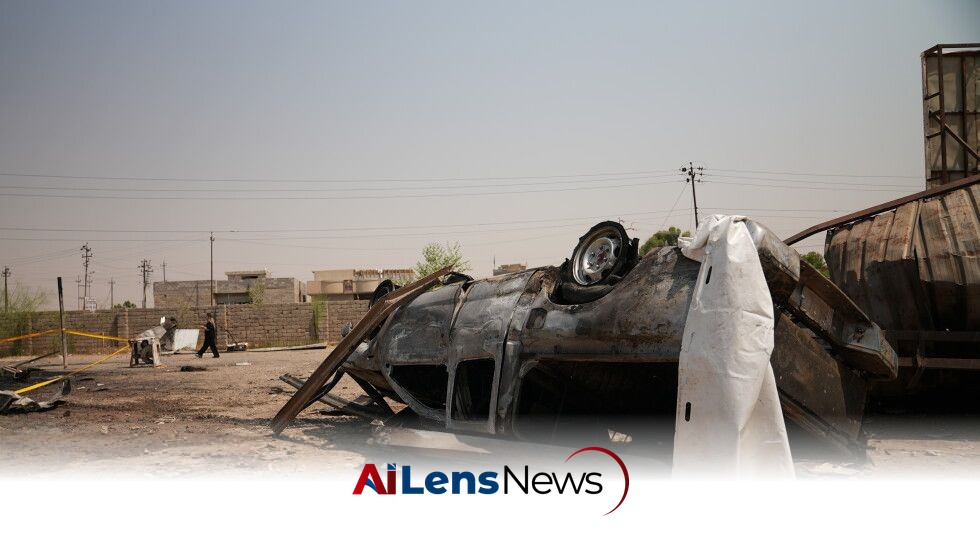
Washington DC, United States Jul 30, 2026 ALN: Iran launched a barrage of missiles at American forces in the Middle East on Wednesday as the U.S. partnered with Saudi Arabia to strike Tehran-backed militias in neighboring Iraq, killing at least 20 fighters and six Iranian advisers. This escalation marks a significant increase in hostilities in a region already fraught with tension and conflict, highlighting the precarious nature of geopolitical relationships in the Middle East.
The missile strikes by Iran are believed to be a direct response to what Tehran perceives as an aggressive posture by the U.S. and its allies, particularly Saudi Arabia. The U.S. has been involved in military operations against Iranian-aligned groups in Iraq for several years, but the recent partnership with Saudi Arabia appears to signal a renewed commitment to countering Iranian influence in the region. The Iranian military's capabilities have been a point of contention, particularly in light of the technological advancements made in missile development over the years. Iran’s missile program has been a focal point of international concern, particularly in relation to its potential to threaten U.S. interests and allies in the region.
Elsewhere, drone strikes ignited fires on two natural gas vessels at the Egyptian port of Damietta, according to Ambrey, a British maritime security firm. The identity of the perpetrators behind these drone strikes remains unclear, but the implications are significant. The strikes occurred on a U.S.-owned floating storage facility and a Greek-owned tanker, indicating a potential expansion of the conflict beyond Iraq and into broader maritime territory. The attack on shipping vessels, particularly in the Mediterranean and Red Sea regions, raises alarms about the safety of commercial shipping routes crucial to global trade. No injuries were reported from these incidents, but the economic ramifications could be severe, especially if shipping companies perceive an increased risk in these waters.
The flare-up on multiple fronts after several days of relative calm raises the risk of a return to all-out war. It also underscores the difficulty of winding down a five-month conflict that has jolted the world economy and is unpopular among Americans. The ongoing military actions and heightened tensions contribute to uncertainty in oil markets, which are sensitive to geopolitical instability. Oil prices have fluctuated dramatically in response to developments in the region, and continued conflict could lead to sustained increases in prices, impacting economies worldwide.
Moreover, the fighting is likely to add to concerns that the U.S. is further drawing down already diminished stockpiles of sophisticated munitions needed to defend its bases and allies. The U.S. military presence in the Middle East has been a longstanding commitment, but the drawdown of resources could leave American forces vulnerable to attacks from Iranian proxies. This situation raises questions about the sustainability of U.S. military operations in the region and the potential need for a reevaluation of strategy moving forward.
Egypt, a close U.S. ally and regional mediator, is one of the only countries in the Middle East to have been spared direct military action during the war. A strike by Iran or its allies, if confirmed, would mark a significant widening of the conflict. Egypt's strategic position as a mediator could be jeopardized if it becomes a target of Iranian aggression, complicating diplomatic efforts in the region. The Egyptian government has historically maintained a delicate balance in its foreign relations, navigating the tensions between the U.S. and Iran while also addressing internal security concerns.
Saudi Arabia had accused the Iraqi militias of firing drones against its oil facilities over the past two days. This accusation underscores the ongoing threat posed by Iranian-backed groups in Iraq, which have increasingly targeted Saudi interests as part of a broader regional conflict. An umbrella group of Iraqi militias initially denied the allegations, while another Iran-backed group — the Houthi rebels in Yemen — claimed responsibility for attacks on Saudi energy facilities, framing them as part of a separate but related conflict. This interconnectedness of various conflicts in the region complicates any efforts to de-escalate tensions, as actions by one group can provoke responses from others, creating a cycle of violence.
“It’s going to be straightening out,” he added. “In the meantime, we’re going to be hitting them very hard because it’s our turn to hit them. They know it’s coming. They’re asking us not to do it.” These remarks reflect the aggressive stance that U.S. officials have adopted toward Iran and its proxies, signaling a willingness to engage in military action as a means of deterrence. The rhetoric surrounding these conflicts often inflates the stakes, as both sides seek to assert their dominance and influence in the region.
Asked during an Oval Office event if Iran was responsible for the strikes on the natural gas vessels, Trump responded: “It’s a little more of the same.” This comment illustrates the U.S. administration's perception of Iran's actions as part of a broader pattern of behavior that is seen as destabilizing. The characterization of Iranian actions as predictable or routine may serve to justify ongoing military operations and support for allied forces in the region.
Iranian state television shared on Wednesday footage it claims shows missile launches aimed at U.S. airbases in Jordan. This public display of military capability serves multiple purposes for Iran: it demonstrates resolve to its domestic audience, signals strength to regional adversaries, and serves as a warning to the U.S. and its allies about the potential consequences of continued military action against Iranian interests. The use of state media to broadcast such developments underscores the importance of information warfare in the current geopolitical climate, as both sides seek to shape narratives and perceptions surrounding the conflict.
The recent escalation of hostilities between Iran and U.S.-backed forces in Iraq could have far-reaching implications, not only for the immediate stakeholders but also for the broader geopolitical landscape. As the conflict continues to evolve, the potential for miscalculation and unintended consequences remains high, raising the specter of a wider regional war that could engulf multiple nations and disrupt global economic stability.
To learn more about the latest developments in Culture & Society, stay updated with our exclusive reports and analyses on AiLensNews.

