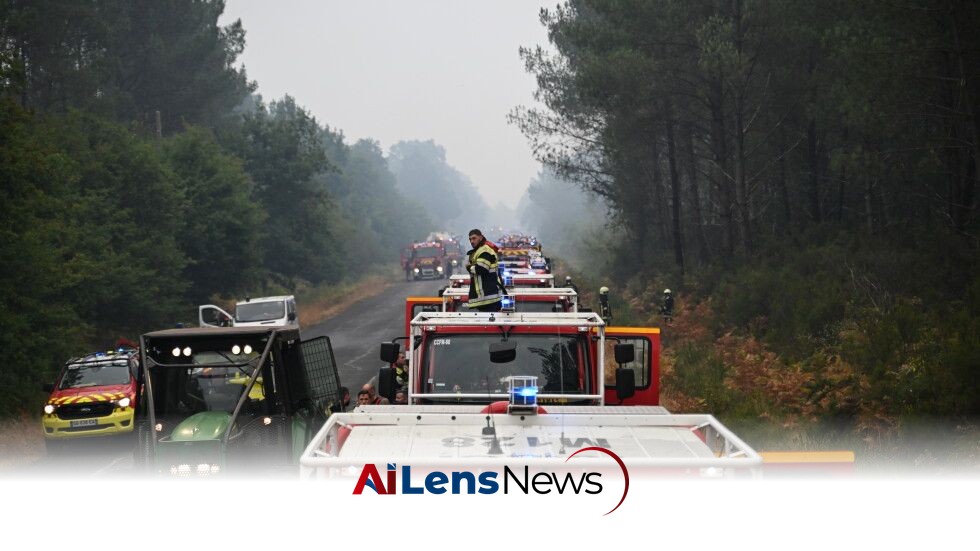


Massive wildfires in France and Spain have forced the evacuation of more than 250,000 people, with firefighters battling flames in Bordeaux and central Spain.
Washington DC, United States Jul 26, 2026 ALN: Severe wildfires have erupted in both France and Spain, leading to the evacuation of over 250,000 residents as authorities struggle to contain the flames. In France, firefighters have been deployed to combat a massive wildfire near the wine country city of Bordeaux, utilizing a cargo aircraft to drop flame retardants on the affected areas. This particular wildfire is part of a broader pattern of increased fire activity seen across southern Europe, which has been attributed to rising temperatures and prolonged drought conditions exacerbated by climate change.
As of Saturday, the situation has escalated, prompting the evacuation of several suburbs surrounding Bordeaux. The Gironde region has been particularly hard-hit, with fire crews working tirelessly through the night to manage the advancing flames. The Gironde department, known for its picturesque vineyards and forested areas, is now facing one of the most severe wildfire seasons in recent memory, with smoke visible from miles away and air quality deteriorating due to the intense fires.
In Spain, Prime Minister Pedro Sánchez reported that around 70,000 people have been evacuated in central regions due to the raging wildfires. He emphasized that fire crews were facing a challenging situation as they battled the blazes, which have spread rapidly across southern Europe. The Spanish government has mobilized additional resources, including military personnel, to assist in firefighting efforts, showcasing the seriousness of the crisis as local firefighters grapple with the scale of the fires.
Authorities in both countries are coordinating efforts to provide shelter and assistance to those displaced by the fires. Emergency services are on high alert, with additional resources being mobilized to combat the ongoing threat. Shelters have been established in community centers and schools to accommodate evacuees, and local governments are working with non-profit organizations to ensure that those affected receive necessary supplies, including food, water, and medical care.
The wildfires have not only displaced thousands of residents but have also raised concerns about the environmental impact. The destruction of forests and wildlife habitats is a significant concern, as both countries grapple with the effects of climate change that have exacerbated the frequency and intensity of such natural disasters. The loss of biodiversity, as well as the long-term effects on soil quality and air pollution, are pressing issues that will require ongoing attention and resources to address.
Local officials are urging residents to remain vigilant and follow evacuation orders as conditions remain volatile. The situation continues to evolve, with fire crews working around the clock to contain the flames and protect communities. The psychological toll on evacuees, many of whom have lost their homes, cannot be overstated, as they face uncertainty regarding their future and the recovery of their communities.
As the summer progresses, the risk of wildfires remains high across Europe. Both France and Spain are implementing measures to enhance fire prevention and response strategies, aiming to mitigate the impact of future wildfires. These measures include increased funding for firefighting resources, improved training for fire crews, and public awareness campaigns to educate residents on fire safety and preparedness.
In the meantime, the focus remains on ensuring the safety and well-being of those affected by the current crisis. Authorities are committed to providing necessary support and resources to help communities recover from the devastating effects of these wildfires. The long-term recovery process will likely involve rebuilding efforts, ecological restoration, and the establishment of more robust infrastructure to withstand future fire threats.
In addition to immediate firefighting efforts, discussions are underway regarding the broader implications of climate change on fire patterns in Europe. Experts warn that without significant action to address climate change, the frequency and intensity of wildfires may continue to increase, affecting not only the environment but also the economy and public health. The European Union has been called to play a pivotal role in coordinating efforts across member states to tackle climate change and its associated impacts, including wildfires.
As communities begin to assess the damage and start the recovery process, the importance of international cooperation in addressing climate-related disasters becomes increasingly clear. The wildfires in France and Spain serve as a stark reminder of the urgent need for comprehensive strategies to combat climate change, safeguard ecosystems, and protect vulnerable populations from the growing threat of natural disasters.
The wildfires in southern Europe are not isolated incidents; they are symptomatic of a larger trend that has been observed over recent years. With increasing temperatures linked to global warming, regions that were once less prone to wildfires are now facing unprecedented risks. The Mediterranean basin, in particular, has become a hotspot for fire activity, driven by a combination of hotter, drier summers and changing land use practices that have made some areas more susceptible to wildfires.
In addition to the immediate human and environmental costs, the economic implications of these wildfires are significant. The destruction of homes, businesses, and agricultural land can lead to long-term economic challenges for affected communities. The tourism industry, which is vital for many regions in France and Spain, may also suffer as visitors may be deterred by the risk of fires and the devastation left in their wake.
Furthermore, the impact on local ecosystems can have cascading effects on biodiversity. Many species of flora and fauna are already under threat from habitat loss due to urbanization and agriculture. The additional stress from wildfires can lead to further declines in populations and even extinction for some species. Restoration efforts will be critical in the aftermath of the fires, not only to repair the physical landscape but also to support the recovery of wildlife populations.
As the situation unfolds, the resilience of communities will be tested. The psychological impact on those who have lost homes and livelihoods can lead to long-term mental health challenges. Support services will need to be in place to help individuals cope with the trauma of displacement and loss. Community cohesion will also be vital as residents come together to support one another during the recovery process.
Looking forward, it is essential for policymakers to consider the lessons learned from these wildfires. Investments in fire prevention infrastructure, such as creating firebreaks, maintaining healthy forests, and implementing controlled burns, can significantly reduce the risk of future wildfires. Moreover, engaging local communities in these efforts can foster a sense of ownership and responsibility towards fire management.
In conclusion, the wildfires currently affecting France and Spain highlight the urgent need for comprehensive strategies to deal with the increasing threat of climate-related disasters. As nations grapple with the impacts of climate change, collaborative efforts at local, national, and international levels will be crucial in addressing the root causes of these crises and preparing for future challenges. The resilience of communities and ecosystems will depend on proactive measures taken today to mitigate the effects of climate change and protect vulnerable populations from the devastating impacts of wildfires.
To learn more about the latest developments in Culture & Society, stay updated with our exclusive reports and analyses on AiLensNews.

