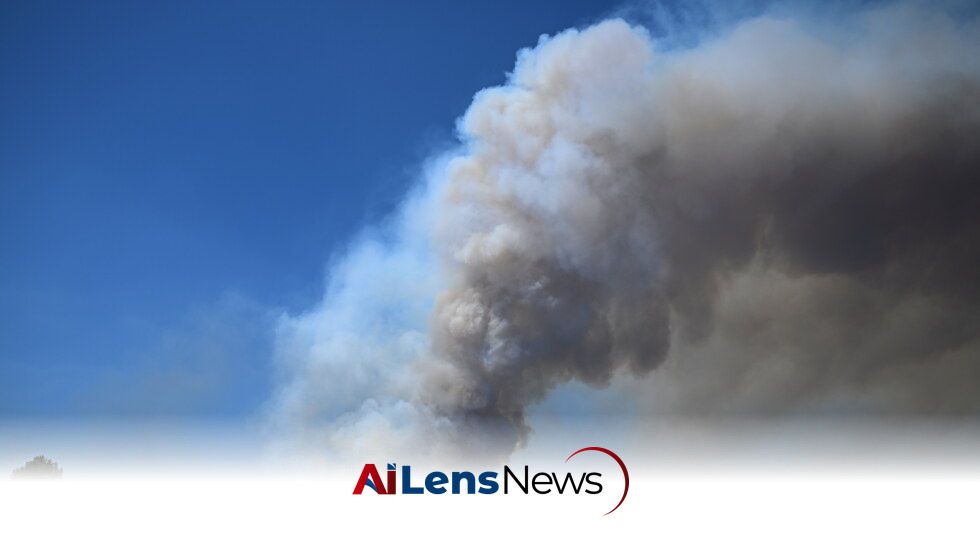


In response to escalating wildfires, French authorities have ordered additional evacuations, impacting thousands as extreme heat exacerbates the situation.
Washington DC, United States Jul 29, 2026 ALN: French authorities have ordered nearly 4,000 more people to evacuate from tourist sites along the Atlantic coast as a return of heat threatens firefighters’ fragile hold on a vast wildfire west of Bordeaux. This decision comes amid a devastating wildfire season that has displaced approximately 330,000 individuals across France and Spain. The wildfires have become emblematic of a broader environmental crisis, exacerbated by the changing climate, and have raised significant concerns about the preparedness and resilience of communities in the face of such disasters.
The fires, which have been described as exceptional in scale, have forced residents and vacationers to flee their homes, with many seeking refuge in emergency shelters. The situation remains critical as firefighters continue to battle the flames, which have ravaged thousands of acres of land. This year, the wildfires have not only impacted rural communities but have also threatened urban areas, leading to a significant increase in the number of people affected. Many evacuees have reported harrowing experiences as they left their homes, often under the cover of smoke and flames.
French Interior Minister Gérald Darmanin announced the evacuation orders, emphasizing the urgency of the situation. “We are facing a serious threat,” he stated, urging residents to comply with evacuation orders for their safety. The government has mobilized additional resources to combat the fires, including deploying military personnel to assist in firefighting efforts. This includes not only firefighters but also logistical support and equipment to help manage the crisis more effectively. The French government has also coordinated with neighboring countries, sharing resources and expertise in firefighting strategies, highlighting the collaborative approach needed to tackle such widespread environmental challenges.
The wildfires have not only affected local residents but have also significantly impacted the tourism industry in the region. Popular vacation spots have been evacuated, leading to cancellations and a decline in tourist activities. Local businesses are bracing for economic repercussions as the fires continue to disrupt normal operations. The tourism sector, which is a vital part of the economy in southwestern France, has seen a sharp decline in visitors, with many travelers opting to cancel their plans altogether. This has put immense pressure on hotels, restaurants, and local attractions, which rely heavily on summer tourism for their annual revenue.
Experts attribute the severity of this wildfire season to climate change, which has resulted in prolonged heatwaves and dry conditions across southern Europe. The combination of high temperatures and dry vegetation has created a perfect storm for wildfires to thrive. Research has shown that climate change is increasing the frequency and intensity of extreme weather events, including heatwaves that dry out vegetation and create ideal conditions for wildfires. These trends are expected to continue, making it crucial for governments and communities to adapt to these changing conditions.
As firefighters work tirelessly to contain the blazes, officials are urging residents to remain vigilant and prepared for further evacuations if conditions worsen. The government is also exploring long-term strategies to mitigate the impact of climate change and improve wildfire preparedness in the future. This includes investing in better firefighting infrastructure, enhancing early warning systems, and implementing land management practices that reduce fire risk. Local governments are also being encouraged to develop community resilience plans that can help residents better prepare for and respond to such disasters.
The implications of these wildfires extend beyond immediate displacement and economic impact. They pose long-term challenges for environmental sustainability, as the destruction of forests and wildlife habitats can have lasting effects on biodiversity. The loss of trees not only contributes to carbon emissions but also affects local ecosystems that depend on these habitats for survival. Reforestation and habitat restoration efforts will be crucial in the aftermath of the fires to ensure that affected areas can recover and thrive in the future.
The situation in France is not isolated, as neighboring countries like Spain are also grappling with similar wildfire challenges. This has prompted discussions at the European level about coordinated responses to wildfires, including sharing resources and best practices for managing fire risks. International cooperation is essential, especially as climate change knows no borders and requires a unified approach to effectively tackle its impacts. The European Union has been exploring policies aimed at enhancing disaster resilience and promoting sustainable land management practices across member states.
In light of the current crisis, there is a growing recognition of the importance of public awareness and education regarding fire safety and climate change. Communities are being encouraged to engage in discussions about preparedness, response strategies, and the role of individual actions in mitigating climate change. Educational campaigns aimed at informing the public about the risks associated with wildfires and the steps they can take to protect themselves and their properties are becoming increasingly vital.
In summary, the situation in southwest Europe remains dire as wildfires continue to displace thousands, prompting urgent evacuation measures from authorities. The ongoing crisis underscores the need for comprehensive strategies to address the root causes of climate change, enhance community resilience, and ensure that both immediate and long-term responses are effective in safeguarding lives and livelihoods. As the region grapples with these challenges, the lessons learned from this wildfire season will likely shape future policies and practices aimed at preventing similar disasters in the years to come.
To learn more about the latest developments in Culture & Society, stay updated with our exclusive reports and analyses on AiLensNews.

