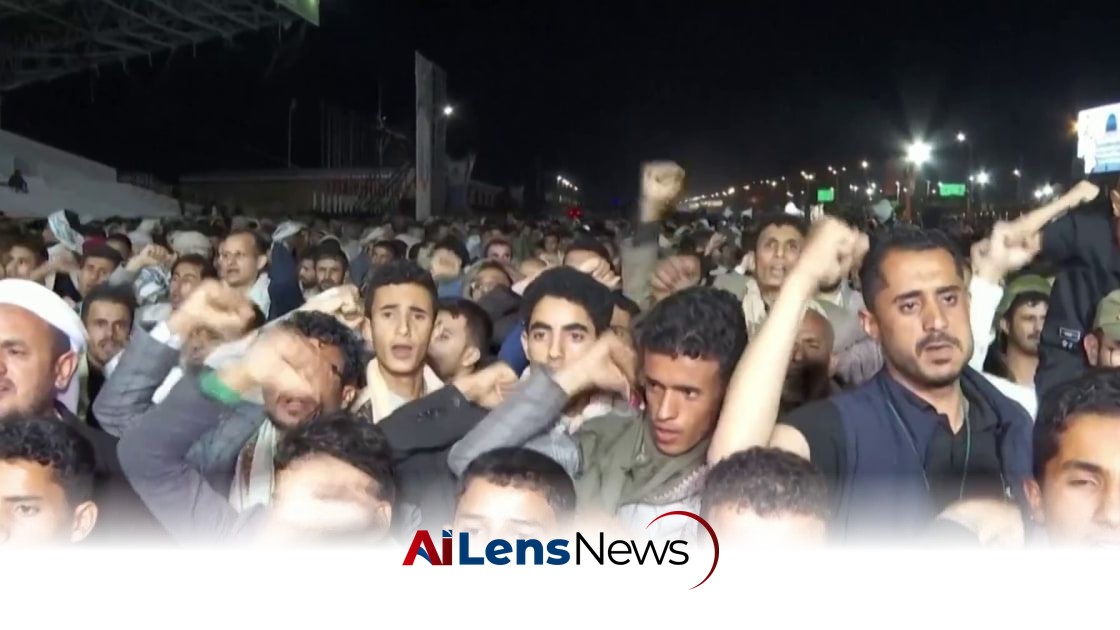


A renewed diplomatic initiative is underway to potentially conclude the ongoing war with Iran, following a weekend pause in hostilities between the U.S. and Iran.
Washington DC, United States Jul 27, 2026 ALN: A new diplomatic push was underway to potentially end the war with Iran on Sunday, after a pause in fighting between the U.S. and Iran over the weekend. NBC News’ Richard Engel reports.
The ongoing conflict between the United States and Iran has been a focal point of international relations for several decades, marked by a series of escalating tensions and confrontations. The roots of this conflict can be traced back to the 1979 Iranian Revolution, which saw the overthrow of the U.S.-backed Shah and the establishment of the Islamic Republic under Ayatollah Khomeini. This pivotal moment not only altered the political landscape of Iran but also set the stage for a fractious relationship with the United States, characterized by mutual distrust and animosity.
Since the revolution, various incidents have fueled tensions, including the Iran Hostage Crisis, where 52 American diplomats and citizens were held hostage for 444 days, and more recent conflicts involving military engagements, sanctions, and proxy wars across the Middle East. The U.S. has often accused Iran of destabilizing the region through its support of militant groups such as Hezbollah in Lebanon and various factions in Iraq and Syria. These accusations have been a constant source of friction, leading to military confrontations and a series of retaliatory actions.
The current conflict escalated significantly following the U.S. withdrawal from the Joint Comprehensive Plan of Action (JCPOA) in 2018, an agreement aimed at curbing Iran's nuclear program in exchange for sanctions relief. The withdrawal led to a re-imposition of stringent economic sanctions on Iran, exacerbating its economic difficulties and leading to heightened tensions. In response, Iran began to breach the terms of the JCPOA, further alarming the international community and leading to a series of confrontations in the Persian Gulf.
In recent months, the situation has deteriorated, with both sides engaging in military posturing. Incidents involving naval confrontations in the Strait of Hormuz, where a significant portion of the world's oil supply passes, have raised concerns about a potential wider conflict. The U.S. has increased its military presence in the region, citing the need to protect its interests and allies, while Iran has threatened to retaliate against any perceived aggression. These developments have led to a precarious balance of power in the region, with both nations engaging in a game of brinkmanship that has left many observers anxious about the potential for an all-out war.
The diplomatic efforts currently underway represent a significant shift in approach, as both sides appear to recognize the high stakes of continued conflict. The potential for a broader military engagement could have dire consequences not only for the U.S. and Iran but also for global stability, particularly in energy markets and regional security dynamics. The involvement of international actors, including European nations and regional powers, has become increasingly crucial in facilitating dialogue and finding a resolution. Countries such as France, Germany, and the United Kingdom have expressed their willingness to mediate discussions, emphasizing the importance of a multilateral approach to resolving the crisis.
In recent weeks, there have been indications of back-channel communications aimed at de-escalating tensions. These discussions have focused on potential compromises that could lead to a renewed understanding or even a new agreement to address the nuclear issue while alleviating some of the economic pressures on Iran. The U.S. administration has faced mounting pressure from both domestic and international fronts to seek a diplomatic resolution rather than continue down a path of confrontation. The Biden administration has signaled its openness to negotiations, provided that Iran returns to compliance with the JCPOA terms, reflecting a nuanced approach to a complex issue.
The implications of a successful diplomatic resolution could be profound. For Iran, a return to negotiations and potential sanctions relief could stabilize its economy and provide much-needed relief to its population, which has been suffering from the effects of prolonged sanctions. The Iranian economy has faced significant challenges, including high inflation, unemployment, and a depreciating currency, leading to widespread discontent among its citizens. For the U.S., a diplomatic solution could help restore its standing in the international community and demonstrate a commitment to multilateralism in addressing global challenges. This could also enhance U.S. credibility in future negotiations with other nations regarding nuclear proliferation and regional security issues.
However, the road to peace is fraught with challenges. Hardliners on both sides may resist any form of compromise, viewing concessions as a sign of weakness. In Iran, the political landscape is complex, with various factions holding differing views on engagement with the West. The conservative elements within Iran's political system may oppose any negotiations that could be perceived as capitulating to U.S. demands, while reformists advocate for engagement to alleviate economic pressures. Similarly, in the U.S., there are significant divisions regarding foreign policy and the best approach to dealing with Iran, with some advocating for a more aggressive stance and others calling for renewed diplomacy. These internal political dynamics add layers of complexity to the negotiation process, making it difficult to achieve a consensus on either side regarding the terms of engagement.
As the diplomatic efforts continue, the world watches closely, understanding that the outcome of these negotiations could shape the future of U.S.-Iran relations and have broader implications for global security. The potential for miscalculation or misunderstanding remains high, and both sides must navigate these discussions carefully to avoid further escalation. The stakes are particularly high given the volatile nature of the Middle East, where conflicts can easily spill over into broader regional confrontations.
In conclusion, the recent pause in fighting offers a glimmer of hope for a diplomatic resolution to the longstanding conflict between the U.S. and Iran. While the challenges are significant, the pursuit of dialogue and negotiation represents a crucial step in addressing the underlying issues that have fueled this conflict for decades. The international community hopes that these efforts will lead to a sustainable peace, ultimately benefiting not only the nations directly involved but also the broader global landscape. The outcome of these negotiations will be closely monitored, as they could set a precedent for how the international community addresses similar conflicts in the future.
To learn more about the latest developments in Culture & Society, stay updated with our exclusive reports and analyses on AiLensNews.

