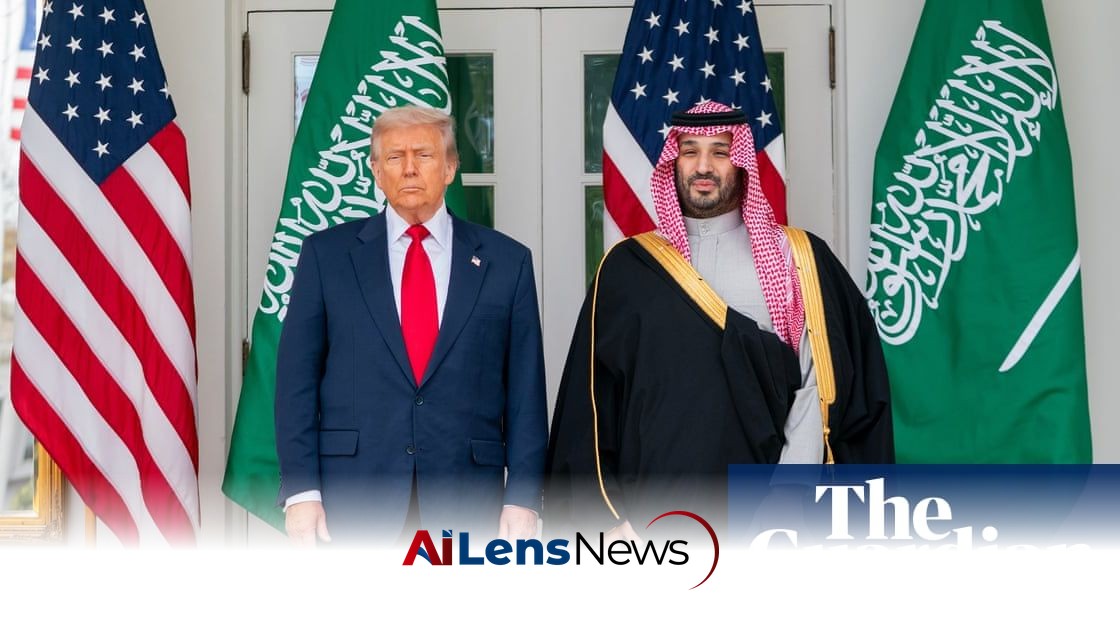


The US has signed a significant nuclear cooperation agreement with Saudi Arabia, which may enable the kingdom to enrich uranium domestically, raising concerns amid ongoing tensions with Iran.
London, United Kingdom Jul 23, 2026 ALN: The recent signing of a nuclear cooperation agreement between the United States and Saudi Arabia marks a significant milestone in international relations and nuclear policy. This agreement, which allows for the potential future enrichment of uranium by Saudi Arabia, has sparked a range of reactions and concerns among lawmakers, experts, and the international community.
The agreement was signed by US Secretary of Energy Chris Wright and Saudi Minister of Energy Prince Abdulaziz bin Salman. It includes a “peaceful nuclear cooperation agreement” alongside a “bilateral safeguards agreement.” While the complete details of the agreement have not yet been disclosed, it is clear that this development has been in the pipeline for several years, spanning the administrations of both former President Donald Trump and current President Joe Biden.
The timing of this announcement is particularly contentious given the ongoing geopolitical tensions in the Middle East, especially with Iran. The United States has been engaged in efforts to curb Iran's nuclear ambitions, which include preventing Tehran from enriching uranium to levels that could allow for the development of nuclear weapons. Critics of the US-Saudi deal argue that allowing Saudi Arabia to enrich uranium could undermine these efforts and potentially escalate nuclear proliferation in the region.
Historically, Saudi Arabia has expressed concerns about Iran's nuclear capabilities. In the event that Iran were to develop a nuclear weapon, Saudi Arabia has indicated that it would feel compelled to pursue its own nuclear armament. This perceived threat from Iran has been a pivotal factor in Saudi Arabia's pursuit of nuclear technology, leading to fears that a nuclear arms race could ensue in the region.
The negotiations surrounding this nuclear deal have been fraught with challenges, particularly due to warnings from nonproliferation advocates. Many experts have cautioned that granting Saudi Arabia the ability to enrich uranium could pave the way for the kingdom to develop its own nuclear weapons capability. These concerns have been amplified by the historical context of nuclear proliferation in the Middle East, where tensions between nations and the potential for conflict raise alarms about the implications of nuclear technology in the hands of states with contentious relationships.
The agreement will now be submitted to Congress for review, where it is likely to face scrutiny and potential opposition. Lawmakers have expressed concerns about the adequacy of monitoring and safeguards that would restrict Saudi Arabia's uranium enrichment activities. The fear is that without stringent oversight, the agreement could inadvertently enable the kingdom to pursue a nuclear weapons program.
In the lead-up to the signing, the US administration had urged Congress to support the nuclear deal with Saudi Arabia. A report submitted earlier this year emphasized the strategic importance of the agreement, suggesting that it would help prevent other nations, such as China or Russia, from gaining influence in the region by providing nuclear technology to Saudi Arabia. The US has long maintained that its leadership in nuclear energy and technology is vital for both national security interests and global stability.
Furthermore, the US Department of Energy has framed the agreement as a means of enhancing American nuclear technology exports, creating high-paying jobs within the US, and strengthening the country's energy and national security posture. Secretary Wright highlighted the shared commitment between the US and Saudi Arabia to bolster commercial relations and ensure prosperity and security for both nations.
Despite these assurances, there are concerns that the agreement may not include the enhanced monitoring mechanisms typically associated with nuclear agreements, such as the additional protocol that Iran was subjected to under the 2015 nuclear deal. The absence of such oversight raises questions about the efficacy of the safeguards in place to prevent nuclear proliferation.
Industry leaders have expressed optimism regarding the deal. Dan Sumner, the chief executive of Westinghouse Electric Company, emphasized that the agreement is a significant step forward for energy security and economic growth for both the US and Saudi Arabia. The potential for collaboration in nuclear technology could lead to substantial investment and job creation within the American nuclear sector.
However, not all reactions have been positive. Critics, including experts in international relations and nuclear nonproliferation, have voiced their concerns about the implications of the deal. Rosemary Kelanic, head of the Middle East program at Defense Priorities, labeled the decision to provide uranium enrichment technology to Saudi Arabia as reckless, particularly in the context of ongoing tensions with Iran. She argued that such a move could pressure Iran to accelerate its own nuclear weapons program in response.
In addition to the concerns surrounding the US-Saudi nuclear deal, there are broader implications for regional security dynamics. Recently, Saudi Arabia and Pakistan signed a mutual defense pact, which included assurances regarding Pakistan's nuclear capabilities. This development is particularly noteworthy given the historical context of nuclear proliferation in South Asia and the Middle East. Pakistan's defense minister's comments suggesting that Pakistan's nuclear program could be made available to Saudi Arabia if necessary signal a potential shift in the nuclear landscape of the region.
The signing of the nuclear cooperation agreement with Saudi Arabia represents a complex intersection of energy policy, international relations, and nuclear nonproliferation efforts. As the agreement moves forward, the implications for regional security, US foreign policy, and the global nuclear landscape will continue to be closely monitored by lawmakers, experts, and the international community. The balance between fostering strategic partnerships and ensuring the prevention of nuclear proliferation remains a critical challenge for US policymakers as they navigate the evolving geopolitical landscape of the Middle East.
To learn more about the latest developments in Culture & Society, stay updated with our exclusive reports and analyses on AiLensNews.

