

A temporary pause in US-Iran hostilities allows mediators from Qatar and Pakistan to work on reviving talks, alleviating fears of a broader conflict in the Middle East.
Abu Dhabi, United Arab Emirates Jul 27, 2026 ALN: The recent three-day lull in fighting between the United States and Iran has sparked renewed hopes for a diplomatic breakthrough. Mediators from Qatar and Pakistan are actively engaged in efforts to revive stalled negotiations, aiming to ease tensions and secure vital shipping lanes in the Gulf region. This development is particularly significant given the long-standing hostilities and complex geopolitical dynamics that have characterized U.S.-Iran relations for decades.
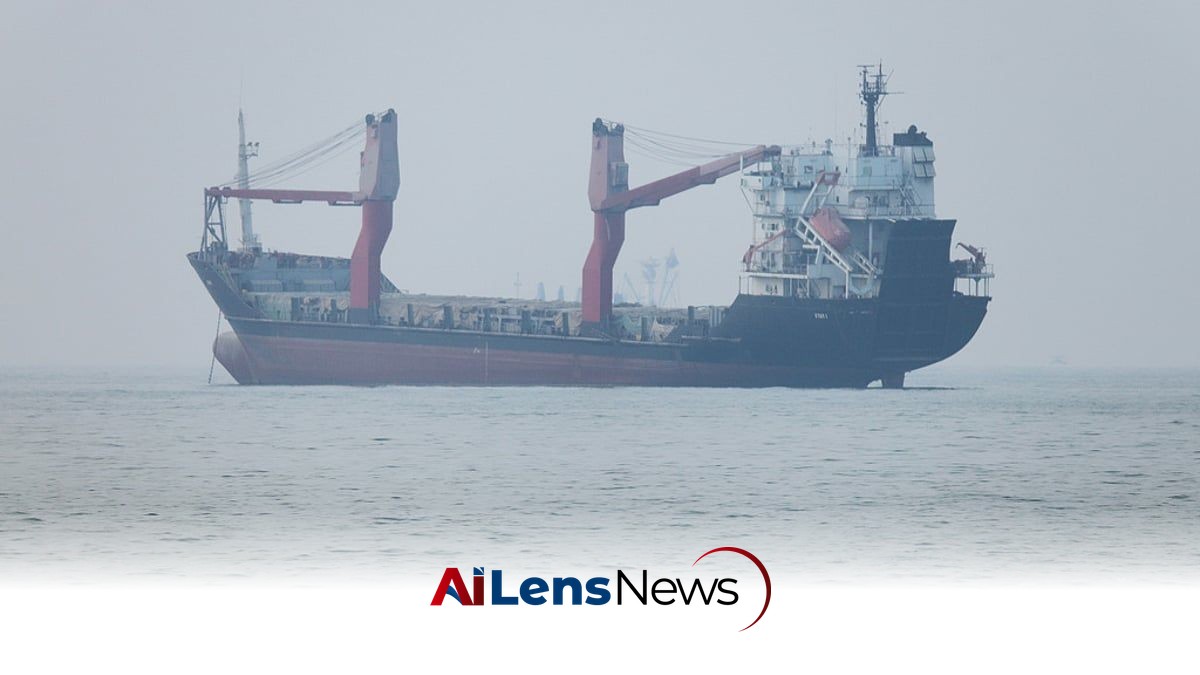
The Strait of Hormuz, a critical waterway for global oil transport, remains a focal point of tension. Approximately 20% of the world's oil passes through this narrow passage, making it not only a crucial economic artery but also a strategic military flashpoint. The closure of this waterway has far-reaching implications, not only for the economies of the nations directly involved but also for global markets that rely heavily on oil imports. The ongoing disputes over navigation rights and security in this region underscore the broader geopolitical struggles between Iran and Western powers.
Iranian officials have emphasized the need for both Iran and Oman, the two coastal states, to establish mechanisms that ensure safe navigation while respecting each nation's sovereignty and security interests. This statement reflects Iran's desire to assert its maritime rights while also seeking to alleviate international concerns regarding the potential for military confrontations in the Strait. The Iranian government has historically viewed the presence of U.S. naval forces in the Gulf as a threat to its national security, prompting a series of confrontational incidents over the years.
Baghaei, an Iranian official, stated, “The objective is for Iran and Oman to develop mechanisms to ensure safe navigation through the Strait of Hormuz.” This assertion highlights Iran's approach to the situation, which seeks to balance its security needs with the necessity of maintaining open trade routes. However, Baghaei also acknowledged that the current circumstances in the Strait have not improved, indicating that despite this temporary pause in hostilities, significant challenges remain. The Iranian leadership faces internal pressures to demonstrate strength in the face of perceived external threats, complicating the prospects for genuine dialogue.
The pause in hostilities is seen as a crucial opportunity for mediators to engage both parties in dialogue, potentially paving the way for a more stable and secure environment in the Gulf. The involvement of Qatar and Pakistan as mediators is noteworthy, as both countries have historically played roles in facilitating communication between the U.S. and Iran. Qatar, in particular, has positioned itself as a neutral ground for negotiations, leveraging its diplomatic ties with both Washington and Tehran to promote dialogue.
The international community is closely monitoring these developments, hoping for a resolution that could prevent further escalation of conflicts in the Middle East. The implications of a successful diplomatic engagement extend beyond the immediate U.S.-Iran relationship. A peaceful resolution could stabilize the Gulf region, reducing the risk of conflict that could disrupt global oil supplies and escalate into broader military confrontations involving other regional powers.
Moreover, the current geopolitical landscape is influenced by a myriad of factors, including the ongoing tensions between Iran and Saudi Arabia, the role of militant groups in the region, and the impact of U.S. foreign policy under the current administration. The Biden administration has expressed a desire to return to negotiations regarding Iran's nuclear program, which had been a major point of contention under the previous administration. The potential for a comprehensive agreement that addresses not only nuclear concerns but also regional security issues could reshape the dynamics of power in the Middle East.
With the stakes high, the coming days will be critical in determining whether this temporary ceasefire can lead to meaningful discussions and a lasting peace agreement. The pathway to diplomacy is fraught with challenges, including domestic political pressures within both the U.S. and Iran. In the United States, Congress has historically been skeptical of engaging with Iran, often viewing it through the lens of security threats rather than potential partnership. Conversely, Iran's leadership faces pressure from hardliners who may oppose any concessions made during negotiations.
In addition to these internal dynamics, the role of external actors cannot be overlooked. Countries such as Russia and China have significant interests in the region and may seek to influence the outcome of U.S.-Iran negotiations. Their involvement could complicate the diplomatic landscape, as they may offer support to Iran in various forms, including economic aid or military cooperation, thereby countering U.S. efforts to isolate Tehran.
As the situation evolves, the global community remains hopeful that the current lull in fighting can serve as a catalyst for dialogue. The complexities of the Middle East require a nuanced understanding of the historical grievances and contemporary challenges that define U.S.-Iran relations. A successful diplomatic initiative could not only alleviate immediate tensions but also contribute to a broader framework for peace and stability in a region long plagued by conflict.
In conclusion, while the three-day pause in hostilities has raised hopes for a diplomatic breakthrough, the road ahead remains uncertain. The interplay of regional dynamics, domestic politics, and international interests will play a crucial role in shaping the outcome of these negotiations. The world watches closely, as any significant developments could alter the course of history in the Gulf region and beyond.
Historically, U.S.-Iran relations have been marked by a series of confrontations and attempts at diplomacy. The 1979 Iranian Revolution, which led to the overthrow of the U.S.-backed Shah, marked a turning point that has defined the adversarial relationship ever since. The subsequent hostage crisis, where American diplomats were held for 444 days, solidified mutual distrust. Over the years, various administrations have attempted to engage Iran diplomatically, with mixed results. The Obama administration's 2015 nuclear deal, known as the Joint Comprehensive Plan of Action (JCPOA), was a significant diplomatic achievement, aimed at curbing Iran's nuclear ambitions in exchange for sanctions relief. However, the Trump administration's withdrawal from the agreement in 2018 and the re-imposition of sanctions heightened tensions and led to a series of confrontational incidents, including military skirmishes and attacks on shipping vessels.
The current geopolitical landscape is further complicated by Iran's regional ambitions, including its support for proxy groups in Iraq, Syria, Lebanon, and Yemen. These actions have drawn the ire of the U.S. and its allies, particularly Saudi Arabia and Israel, who view Iran's influence as a direct threat to their security. The recent normalization agreements between Israel and several Arab states, known as the Abraham Accords, have also shifted the regional dynamics, creating a new front in the U.S.-Iran rivalry.
The potential for a diplomatic breakthrough, therefore, hinges not only on the willingness of both the U.S. and Iran to engage in meaningful dialogue but also on the broader regional context. The involvement of mediators like Qatar and Pakistan may provide a necessary bridge to facilitate communication, but the underlying issues remain deeply entrenched. Trust-building measures, such as confidence-building initiatives and the establishment of direct communication channels, will be essential to mitigate the risks of miscalculation and escalation.
As the world watches these developments unfold, the implications of a successful diplomatic resolution could extend beyond the Gulf region. A stable and secure Middle East is crucial for global economic stability, particularly in the energy sector. Furthermore, a resolution could pave the way for addressing other regional conflicts, such as the civil war in Syria and the ongoing tensions in Yemen, fostering a more comprehensive approach to peace in the region.
In summary, the three-day lull in fighting between the U.S. and Iran presents a unique opportunity for diplomatic engagement. However, the complexities of historical grievances, regional dynamics, and domestic political pressures will play a significant role in shaping the prospects for lasting peace. The coming days will be critical as mediators strive to facilitate dialogue, and the international community remains hopeful for a resolution that could redefine the future of U.S.-Iran relations and contribute to broader stability in the Middle East.
To learn more about the latest developments in Culture & Society, stay updated with our exclusive reports and analyses on AiLensNews.

