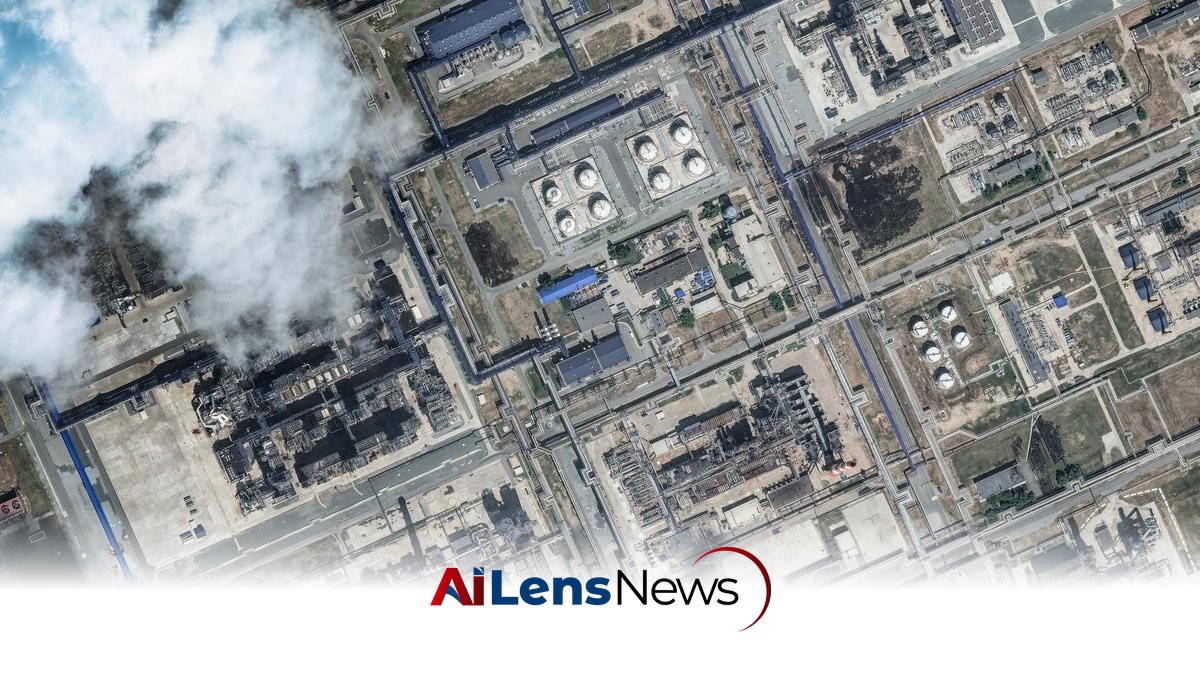


Ukrainian drones target Russian oil facilities, causing significant damage and exacerbating fuel shortages amid ongoing conflict and U.S. military support.
Russia, Russia Jul 9, 2026 ALN: Ukrainian drones struck multiple Russian oil facilities on Thursday, July 9, 2026, igniting two oil tankers in the Sea of Azov. This escalation follows a recent pledge from U.S. President Donald Trump to grant Ukraine a license for manufacturing Patriot air defense systems. The use of drones in this manner marks a significant development in the ongoing conflict between Ukraine and Russia, highlighting the evolving nature of warfare and the increasing reliance on unmanned aerial vehicles (UAVs) for strategic military objectives.
The attacks on oil refineries and infrastructure across Russia have triggered a widespread fuel crisis, with reports of gasoline shortages and fuel rationing in several regions. Drivers are waiting for hours to fill their tanks as the situation worsens. This crisis underscores the critical role that energy supplies play in modern warfare, as both Ukraine and Russia seek to undermine each other's economic stability while bolstering their own military capabilities. Fuel shortages can severely impact military operations, limiting the mobility of forces and the effectiveness of logistics, which are vital in any prolonged conflict.
Early Thursday, a drone strike caused a fire at an oil depot in Tver, a city in western Russia. Acting regional Governor Vitaly Korolyov confirmed the incident, highlighting the impact of the ongoing conflict on local infrastructure. Such attacks not only damage physical assets but also serve to demoralize the populace and disrupt normal life, as residents contend with the repercussions of a war that has extended beyond the front lines. The civilian population often bears the brunt of such conflicts, facing not only the immediate dangers of military actions but also the longer-term effects on their livelihoods and social stability.
In the southern Stavropol region, Governor Vladimir Vladimirov reported that Ukrainian drones set an oil reservoir ablaze in Vyazniki. Authorities ordered the evacuation of residents from nearby apartment buildings as the fire spread. This incident reflects the increasing risks faced by civilians in areas adjacent to military targets, raising concerns about the humanitarian implications of the conflict. The targeting of infrastructure critical to civilian life, such as oil facilities, can lead to significant humanitarian crises, including displacement, food insecurity, and health risks, as communities struggle to cope with the fallout from military engagements.
Additionally, in the Sea of Azov, two oil tankers were set ablaze by Ukrainian drones. Rostov Governor Yuri Slusar stated that one of the vessels was still burning, necessitating the evacuation of the crew. This attack is part of Ukraine's broader strategy to disrupt fuel supplies to Russia-occupied Crimea, which has been a focal point in the conflict since Russia's annexation of the region in 2014. Disrupting fuel supplies not only hampers military logistics but also seeks to weaken the economic foundations of Russian operations in the area. Crimea's strategic importance cannot be overstated, as it serves as a critical logistical hub for Russian military efforts in Ukraine and the Black Sea region.
Russia's Defense Ministry reported that air defenses managed to down 73 Ukrainian drones between late Wednesday and early Thursday. However, Ukraine's Air Force noted that Russia launched 94 long-range strike drones and two ballistic missiles at Ukraine during the same period. While 72 of these drones were intercepted or jammed, 19 drones and both missiles caused damage at 13 locations. This exchange of aerial attacks illustrates the intensity of the conflict and the ongoing arms race between the two nations, as both sides seek to enhance their technological capabilities in warfare. The rapid pace of drone warfare represents a significant shift in military strategies, where both sides are increasingly reliant on technology to gain the upper hand.
On the eve of these drone strikes, President Trump met with Ukrainian President Volodymyr Zelenskyy during the NATO summit in Türkiye. Trump announced that the U.S. would provide Ukraine with a license to manufacture Patriot air defense systems, a significant development in their ongoing conflict with Russia. The Patriot missile system is known for its effectiveness in intercepting incoming threats, and its potential deployment in Ukraine represents a substantial increase in military support from the West, which could alter the balance of power in the region. The provision of advanced military technology is a clear indication of the West's commitment to supporting Ukraine against Russian aggression, signaling a potential shift in the dynamics of international support for Ukraine.
The tone of the meeting was notably different from a previous encounter in February 2025, where Trump had criticized Zelenskyy. On this occasion, Trump praised Zelenskyy's efforts to negotiate an end to the war, stating he has 'done an amazing job' and has been 'very effective.' This shift in rhetoric may indicate a growing alignment between the U.S. and Ukraine, as both nations share a common interest in countering Russian aggression. The political implications of such support extend beyond military assistance, as they also signal to other countries in the region the U.S. commitment to defending sovereignty and territorial integrity against external threats.
As the conflict continues to escalate, the implications of these drone strikes and international support for Ukraine remain significant, affecting both regional stability and global energy markets. The attacks on Russian oil facilities could lead to increased tensions in the region, prompting retaliatory measures from Russia, which may further exacerbate the conflict. The energy crisis resulting from these strikes could also have ripple effects on global oil prices, as disruptions in supply chains often lead to volatility in the market. The interconnectedness of global energy markets means that instability in one region can have far-reaching consequences, impacting economies wide.
Moreover, the use of drones in this conflict raises important questions about the future of warfare. As technology advances, the role of UAVs is likely to become increasingly prominent, potentially changing the dynamics of military engagements. The ability to conduct precision strikes with relatively low risk to personnel makes drones an attractive option for states engaged in conflict. However, this also raises ethical concerns about the potential for collateral damage and the impact on civilian populations. The normalization of drone warfare necessitates a reevaluation of international norms and regulations surrounding the use of such technology in armed conflict.
In summary, the drone strikes on Russian oil facilities represent a significant escalation in the Ukraine-Russia conflict, with far-reaching implications for regional and global stability. As both sides continue to adapt their strategies and leverage technological advancements, the international community watches closely, aware that the outcomes of these developments could shape the geopolitical landscape for years to come. The ongoing conflict not only tests the resilience of the nations involved but also poses challenges for international diplomacy, as the grapples with the complexities of modern warfare and the quest for peace in the face of persistent aggression.
To learn more about the latest developments in Wars & Conflicts, stay updated with our exclusive reports and analyses on AiLensNews.

