

Nine fatalities reported as Russia and Ukraine exchange strikes ahead of crucial diplomatic talks in Paris on the ongoing conflict.
Russia, Russia Jul 13, 2026 ALN: The ongoing conflict between Russia and Ukraine has seen a significant escalation in violence, particularly in the lead-up to crucial diplomatic talks scheduled to take place in Paris. In the most recent developments, Russian forces launched a barrage of drones and missiles targeting various locations in Ukraine, resulting in the tragic loss of four lives. Simultaneously, Ukrainian military operations in response to these provocations have also claimed five lives, highlighting the grim reality of the situation as both sides engage in a cycle of retaliatory strikes.
The strikes occurred on July 12, 2026, a date that coincided with a pivotal moment in international diplomacy concerning the war. Ukraine's allies were preparing to convene in Paris to discuss strategies aimed at pressuring Russia to bring an end to its prolonged military aggression, which has persisted for over four years. The context of these meetings is crucial, as they represent a concerted effort by Western nations to stabilize the region and support Ukraine in its quest for sovereignty and territorial integrity.
The Russia-Ukraine conflict, which escalated dramatically in 2022 with Russia's full-scale invasion, has resulted in significant geopolitical shifts and humanitarian crises. The war has not only affected the two nations involved but has also reverberated across Europe and beyond, leading to a re-evaluation of security policies and alliances. As the war enters its fifth year, the international community grapples with the complexities of supporting Ukraine while managing relations with Russia, a nuclear power.
However, the U.S.-led diplomatic initiatives aimed at resolving the conflict have encountered significant hurdles in recent months. A shift in focus by Washington towards its own military engagements, particularly its ongoing conflict with Iran, has left Ukraine in a precarious position. This change in priorities has raised concerns among Ukraine's allies regarding the sustainability of their support and the effectiveness of diplomatic efforts to negotiate peace. The diminishing attention from the U.S. could embolden Russia to escalate its military operations further, undermining the fragile balance that has been maintained through international support for Ukraine.
As the diplomatic landscape evolves, Russia has intensified its military campaign, particularly through the use of ballistic missiles. This escalation has resulted in a disturbing increase in civilian casualties, with dozens reported killed in recent weeks, including in the capital city of Kyiv. Such actions not only exacerbate the humanitarian crisis in Ukraine but also raise questions about the international community's response to these violations of human rights and international law. The frequent targeting of civilian infrastructure, such as schools, hospitals, and residential areas, has drawn widespread condemnation from various humanitarian organizations and governments wide.
In the central Dnipropetrovsk region of Ukraine, three individuals lost their lives due to a Russian strike that targeted an industrial facility in Kryvyi Rig. This attack underscores the indiscriminate nature of modern warfare, where civilian infrastructure is often caught in the crossfire, leading to devastating consequences for local populations. Additionally, a drone strike in the southern city of Kherson claimed the life of a 48-year-old man, as reported by the city's mayor, Yaroslav Shanko. Such incidents illustrate the ongoing threat to civilian safety and the challenges faced by Ukrainian authorities in protecting their citizens. The psychological toll on the population, living under constant threat of attacks, cannot be overstated, as fear and anxiety permeate daily life.
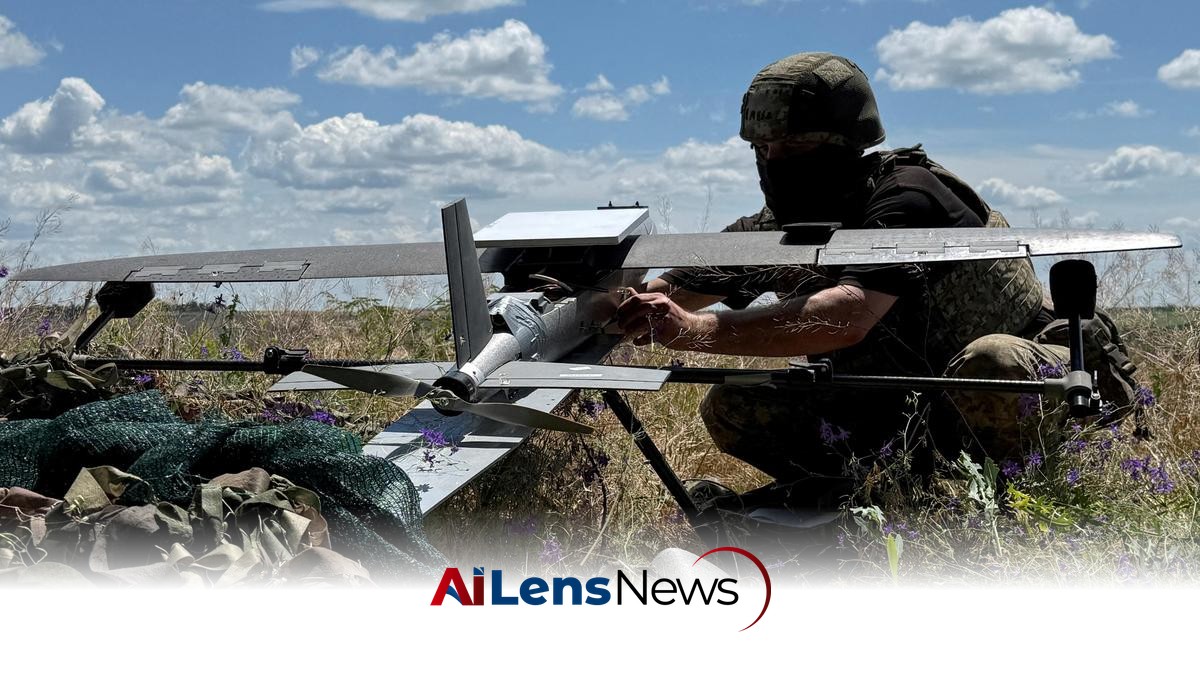
On the other side of the conflict, Ukrainian forces have conducted strikes in the Russian-occupied regions of Ukraine, particularly in Zaporizhzhia, resulting in the deaths of four individuals. Furthermore, a long-range drone strike attributed to Ukrainian forces reportedly killed a man in Russia's Samara region, marking a significant escalation in cross-border military operations. These actions reflect Ukraine's determination to reclaim its territories and respond to Russian aggression, but they also contribute to the cycle of violence that complicates any potential for peace negotiations. The use of drone technology by both sides has transformed the nature of warfare, allowing for more precise strikes but also increasing the risk of collateral damage.
The strain on Ukraine's air defense systems has become increasingly apparent as Russian forces persist with their ballistic missile strikes. The Ukrainian military has been working tirelessly to bolster its defenses against these aerial threats, but the frequency and intensity of the attacks have tested their capabilities. In a recent development, the United States has granted Ukraine permission to produce U.S.-designed Patriot air defense systems, which are specifically engineered to intercept and neutralize ballistic missiles. However, the timeline for their deployment remains uncertain, with experts suggesting it may take several months before these systems are operational. This delay in acquiring advanced military technology raises critical questions about Ukraine's ability to protect its airspace in the interim.
The ongoing vulnerability to missile strikes not only endangers civilian lives but also affects the overall morale of the Ukrainian armed forces and the population at large. The psychological impact of living under the threat of aerial attacks can lead to increased stress levels, anxiety, and a sense of helplessness among civilians. As the conflict continues to escalate, the need for timely and effective military support from allies becomes increasingly urgent. The international community must balance the provision of military aid with a commitment to humanitarian assistance, as the situation on the ground deteriorates.
The implications of these recent developments extend beyond the immediate battlefield. The loss of civilian lives and the destruction of infrastructure contribute to a growing humanitarian crisis in Ukraine, with millions displaced and in need of assistance. The United Nations and various NGOs have reported a sharp increase in the number of people requiring humanitarian aid, as basic necessities such as food, clean water, and medical care become increasingly scarce. The international community faces mounting pressure to respond to these challenges, balancing the need for humanitarian aid with the strategic considerations of military support for Ukraine.
As the Paris talks approach, the stakes are higher than ever. The discussions will not only focus on immediate military support but also on long-term strategies for peace and stability in the region. The complexities of the conflict, compounded by shifting geopolitical dynamics, underscore the need for a coordinated and unified approach among Ukraine's allies. Failure to achieve meaningful progress in these talks could result in further escalation of violence, prolonging the suffering of civilians and undermining the prospects for lasting peace. The potential for renewed hostilities could also have broader implications for European security, as neighboring countries remain on high alert.
In conclusion, the recent surge in violence between Russia and Ukraine serves as a stark reminder of the human cost of war. As both sides continue to engage in military operations that claim innocent lives, the urgency for diplomatic solutions becomes increasingly critical. The upcoming talks in Paris may offer a glimmer of hope for a resolution, but the path to peace remains fraught with challenges, necessitating a concerted effort from the international community to support Ukraine and hold aggressors accountable for their actions. The need for a comprehensive approach that addresses both immediate humanitarian needs and long-term political solutions is essential for breaking the cycle of violence and fostering a sustainable peace in the region.
To learn more about the latest developments in Wars & Conflicts, stay updated with our exclusive reports and analyses on AiLensNews.

