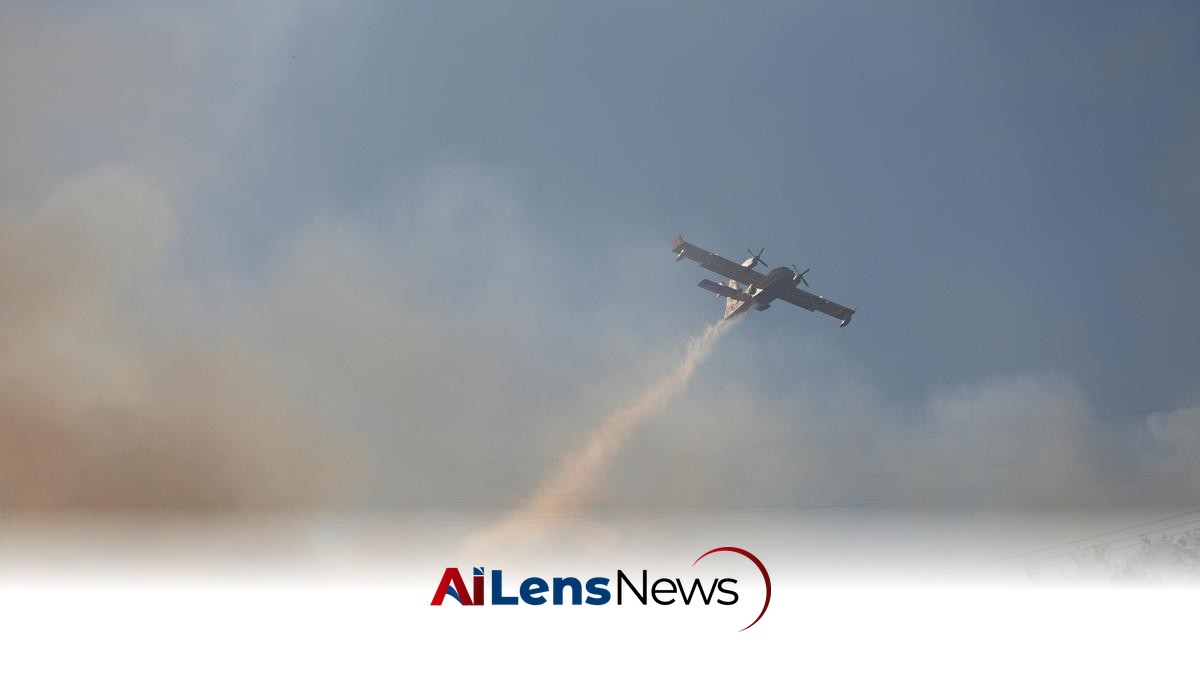


Wildfires in southern Europe force thousands to evacuate as firefighters battle blazes fueled by intense heat and dry conditions.
Spain, Spain Jul 6, 2026 ALN: Wildfires have become an increasingly severe issue across southern Europe, with recent events highlighting the devastating impact of climate change and extreme weather conditions in the region. On Monday, wildfires raged across southern Europe, prompting the evacuation of thousands of residents from their homes and leading officials to impose bans on spectators for a stage of the prestigious Tour de France cycling race. This situation underscores not only the immediate dangers posed by wildfires but also the broader implications of climate change on public safety, health, and environmental sustainability.
As of the latest reports, hundreds of firefighters are engaged in battling blazes that have already ravaged over 19,000 hectares (approximately 42,000 acres) of land, an area that is more than twice the size of Manhattan. The fires have spread across several countries, including Portugal, Spain, France, and Greece, each grappling with the challenges posed by these destructive forces. The scale of the devastation is alarming, and the rapid spread of the fires has left local authorities scrambling to respond effectively.
One of the most significant areas affected is southwestern France, particularly around the city of Perpignan. Here, approximately 700 firefighters, supported by specialized aircraft, are working tirelessly to control a massive blaze that is spreading through a remote and difficult-to-access area. The intensity of the fire has resulted in the evacuation of more than 10,000 local residents, highlighting the urgency and severity of the situation. Reports indicate that the fire has nearly tripled in size since early Sunday, consuming 4,600 hectares and causing injuries to both a firefighter and a local resident. The rapid escalation of the fire has left many residents in shock, with some expressing feelings of panic as they witnessed the flames approach their homes.
"The fire came within 300 metres of the houses. We were taken aback by how fast it spread, it was staggering — bordering on panic," said Patrice, a 53-year-old resident of the village of Trevillach, who did not wish to give his surname.
Another resident, Charlotte Pignol, recounted her experience of the evacuation, stating, "We started seeing smoke around 10:30 pm, then it kept coming closer and closer. Someone from the town hall knocked on our door around 1:00 am to tell us to leave." Such accounts illustrate the chaos and fear that accompany these natural disasters, as families are forced to leave their homes in the dead of night, often with little more than the clothes on their backs.
The wildfires come on the heels of a record-breaking heatwave that swept across Europe in June, which was one of the most severe in recent history. During this heatwave, thousands of excess deaths were reported, and scientists from the Weather Attribution group have stated that these extreme weather events would have been "virtually impossible" without the influence of climate change. This connection between climate change and extreme weather is becoming increasingly evident, as regions that were once considered relatively safe from such phenomena are now experiencing unprecedented conditions.
As temperatures are predicted to rise once again, with some areas expected to reach up to 40°C, authorities are expressing alarm over the early onset of the annual summer wildfire season. French fire service Colonel Eric Belgioino has emphasized the urgency of the situation, stating, "Climate change is here, we are living the consequences and it is only the start of July." He has urged the public to take precautions to prevent fire outbreaks, recognizing that the fire season is likely to be prolonged and challenging for those tasked with combating these blazes.
In addition to the immediate dangers posed to residents and firefighters, the wildfires have also disrupted major events, such as the Tour de France. Officials announced that the third stage of the cycling race, which was set to take place through the Pyrenees, would proceed without spectators. This decision reflects the seriousness of the situation, as the regional prefect Pierre Regnault de la Mothe stated that the public is being asked to avoid the route and finish area entirely. The Tour de France, a celebrated sporting event, typically attracts large crowds, but the current circumstances necessitate a focus on safety above all else.
The impact of the wildfires is not confined to France. In Greece, wildfires have wreaked havoc in the northern city of Thessaloniki, where flames have engulfed two factories, forcing authorities to evacuate surrounding areas and issue warnings for residents to keep their windows closed to avoid smoke inhalation. Similarly, in Spain, a fire near the northeastern Costa Brava coast has burned over 2,200 hectares within just two days, with firefighters indicating that their efforts are complicated by rising temperatures and numerous "smoking hotspots" within the fire's perimeter, which can reignite and spread the flames further.
In Portugal, emergency services have reported some success in controlling a wildfire that has devastated approximately 13,000 hectares of forest and scrubland in the north of the country, claiming that they have managed to control about 80% of the blaze. However, the situation remains precarious, and the threat of further outbreaks looms large. Elsewhere in the region, major fires have also destroyed hundreds of hectares of forest, vineyards, and scrubland in both Croatia and Albania, indicating that the wildfire crisis is a widespread issue affecting multiple countries.
As the situation develops, regions across Portugal, Spain, and southern France have escalated heat alerts in anticipation of the upcoming heatwave. Meteorologists predict that this latest wave of extreme heat could last until the following weekend, raising concerns about the potential for further wildfires and exacerbating the challenges faced by emergency services. The ongoing crisis serves as a stark reminder of the urgent need for comprehensive strategies to address climate change and its far-reaching consequences, as well as the importance of community preparedness and resilience in the face of natural disasters.
In conclusion, the wildfires raging across southern Europe are a manifestation of the broader challenges posed by climate change, extreme weather, and environmental degradation. The immediate impact on communities, ecosystems, and public health is profound, and the situation calls for coordinated efforts at local, national, and international levels to mitigate risks and enhance resilience against future disasters. As the region braces for continued heat and the potential for more wildfires, the lessons learned from this crisis will be critical in shaping future responses to the growing threat of climate-related disasters.
To learn more about the latest developments in Climate & Environment, stay updated with our exclusive reports and analyses on AiLensNews.

