

Yemen's Houthis launched attacks on Saudi oil sites while the US refrained from air strikes on Iran for the first time in two weeks, signaling a potential shift in regional tensions.
Singapore, Singapore Jul 26, 2026 ALN: ATHENS/WASHINGTON - Yemen’s Iran-aligned Houthi militants fired on Saudi oil installations in two ports on the Red Sea coast on July 25, marking a significant escalation in the ongoing conflict that has persisted for over a decade. This attack came at a time when the United States was exhibiting military restraint, having held back from launching air strikes on Iran for the first night in two weeks. The geopolitical dynamics in the region, particularly concerning oil supplies and military engagements, have been heavily influenced by these recent developments.
Washington did not provide an immediate explanation for its sudden halt in retaliatory strikes against Iran, which had been conducted over a period of 13 consecutive nights. These strikes were a response to Iranian attacks on shipping in the strategically vital Strait of Hormuz, a key maritime route for global oil transportation. The abrupt pause in military action raises questions about the U.S. strategy in the region, especially following the collapse of an interim deal aimed at reducing hostilities between the two nations.
Commenting on the situation, Health Ministry spokesperson Hossein Kermanpour remarked on social media, "It seems that our dear Iran had a peaceful night last night," reflecting a certain level of irony given the ongoing tensions. Notably, there were no reports of retaliatory attacks from Iran on its Gulf neighbors, which had been a regular occurrence in the days leading up to this pause.
According to Axios, citing two unidentified sources familiar with the matter, President Donald Trump had directed the military on July 24 to refrain from conducting new strikes against Iran. This decision has not been publicly confirmed by the Pentagon or the White House, which did not respond to inquiries regarding the pause in air strikes or the Axios report.
On the same day, Trump indicated that the U.S. and Iran were engaged in discussions aimed at negotiating an end to their ongoing conflict, although he noted that Tehran was not yet ready to reach a deal. This diplomatic overture comes amidst a backdrop of escalating violence between the Houthis and Saudi Arabia, suggesting that while the U.S. might be seeking to ease tensions, the local conflict could intensify.
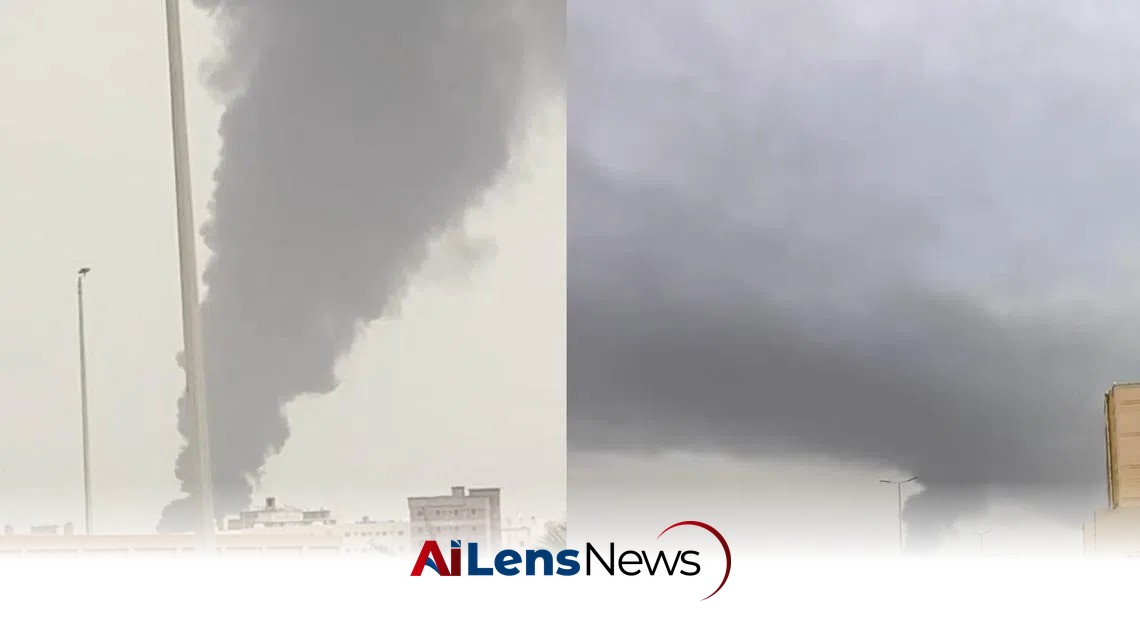
The Houthi military spokesperson, Yahya Saree, claimed responsibility for successfully striking sites belonging to Saudi state oil giant Aramco in Jizan and Yanbu. Video footage shared on social media and verified by Reuters showed significant smoke rising from the direction of the Aramco refinery in Jizan, indicating the potential severity of the damage inflicted.
Reports from two Asia-based trading sources indicated that there was potential damage to fuel and oil storage sites at Jizan, although Aramco did not respond to requests for comment regarding the attacks. In Yanbu, a strategic oil port where millions of barrels of oil are loaded daily, two ballistic missiles aimed at oil installations were intercepted by a U.S.-made Patriot missile defense system, operated by the Greek military under an agreement with Riyadh.
Yanbu has become increasingly important for Saudi Arabia as it serves as a primary route for oil exports, particularly in light of the ongoing blockade of the Strait of Hormuz by Iranian forces. Jizan, located close to the Yemeni border, is home to a refinery with a capacity to process 400,000 barrels of oil per day, underscoring its significance in the region's energy infrastructure.
In response to the Houthi attacks, the air force of the Saudi-backed, internationally recognized Yemeni government conducted strikes on Houthi missile and drone launch sites, as well as arms depots in the Marib and al-Jawf provinces. This counter-offensive reflects the ongoing complexities of the Yemeni civil war, which has seen both sides mobilizing forces along the front lines, indicating a potential escalation of hostilities.
Saudi Arabia has been at the forefront of an Arab coalition fighting against the Houthis since they captured Yemen’s capital, Sanaa, over a decade ago. The Yemeni civil war has had devastating consequences, resulting in hundreds of thousands of deaths due to both direct conflict and the ensuing famine. A ceasefire had been in place since 2022, but recent events have seen that truce unravel, with the Houthis effectively rejoining the wider conflict that their Iranian allies have been engaged in since the U.S. and Israel began their military actions.
In a significant development, the Houthis declared a naval blockade of Saudi Arabia over the past week, with Houthi leader Abdul Malik al-Houthi stating that all Saudi oil facilities could be considered potential targets. This declaration not only escalates the conflict but also poses a direct threat to global oil supplies, which have already been impacted by the ongoing tensions in the region.
As a result of these developments, global oil prices surged this week, with Brent crude climbing above $100 a barrel for the first time since May, reflecting the market's sensitivity to geopolitical instability in oil-producing regions. The interconnections between military actions and energy markets highlight how conflicts can have far-reaching implications beyond the immediate areas of engagement.
In remarks made on July 24, Trump threatened "major military punishment" for both Tehran and the Houthis following their attacks on Saudi tankers in the Red Sea. The collapse of the interim truce two weeks prior, coupled with U.S. strikes on targets in southern Iran, indicates a rapid escalation in military engagement in the region. Trump's threats included a potential widening of targets to encompass Iran’s energy infrastructure, including plans to send ground forces to seize the oil hub of Kharg Island and bomb a deep-underground nuclear-linked site known as Pickaxe Mountain.
Despite these aggressive postures, Trump stated on July 24 that he had not yet made a decision regarding major new strikes, leaving the situation in a state of uncertainty. The potential for further escalation remains high, as both regional and global actors navigate the complex and volatile landscape of Middle Eastern geopolitics, where energy security and military strategy are inextricably linked.
To learn more about the latest developments in Culture & Society, stay updated with our exclusive reports and analyses on AiLensNews.

