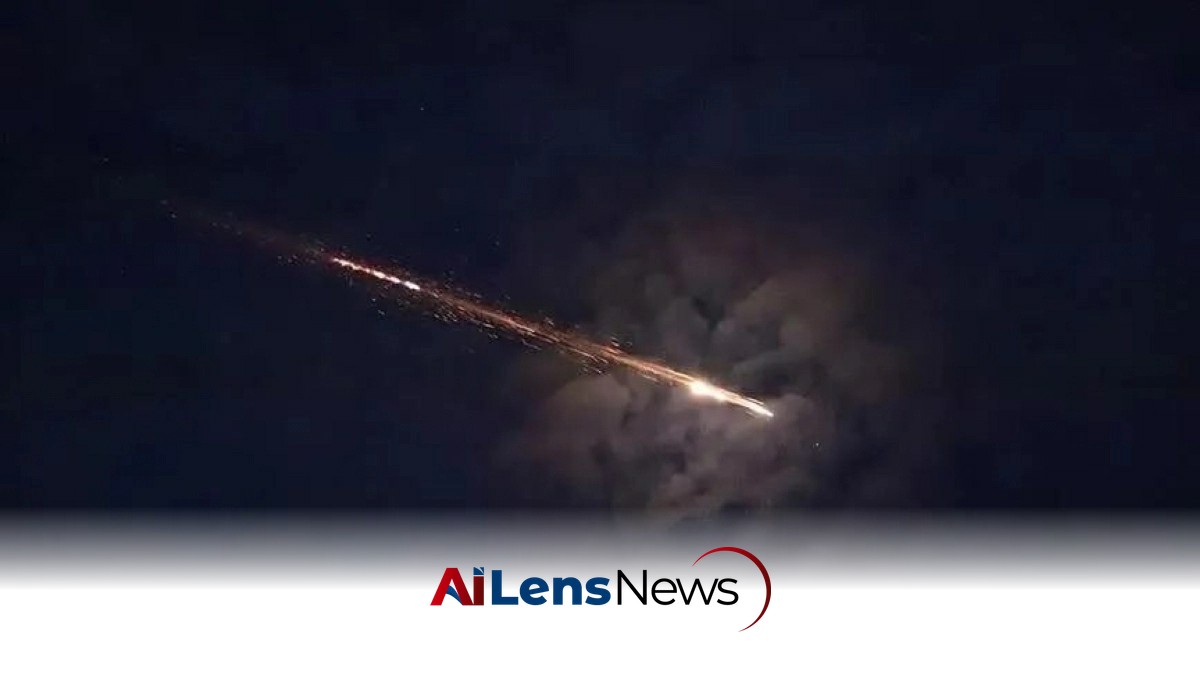


The United States has launched a new series of strikes against Iran, targeting military facilities and escalating tensions in the region.
Riyadh, Saudi Arabia Jul 16, 2026 ALN: The United States launched a new wave of strikes against Iran on Wednesday, according to the US Central Command. This escalation in military action marks a significant development in the ongoing tensions between the two nations, which have been fraught with conflict and hostility for decades.
“At 6 a.m. ET today (1000GMT Wednesday), US Central Command forces began launching a wave of strikes against Iran,” the commander stated on the US social media platform X. The strikes are reportedly aimed at further degrading the military capabilities of Iranian forces that have been implicated in attacks on commercial shipping in the critical maritime corridor of the Strait of Hormuz, a vital route for global oil shipments.
The Strait of Hormuz has long been a flashpoint in US-Iran relations, with both sides accusing each other of aggressive actions that threaten regional stability. In recent days, tensions have escalated dramatically, despite attempts at mediation. A memorandum of understanding mediated by Pakistan was intended to foster dialogue and ultimately lead to a lasting peace agreement, but the recent military actions suggest that diplomatic efforts have faltered.
In a statement that reflects the gravity of the situation, Iran’s Islamic Revolutionary Guard Corps (IRGC) claimed responsibility for targeting what they described as command-and-control, logistics, fuel, and military equipment facilities associated with the US Fifth Fleet based in Bahrain. This response was framed as retaliation for what the IRGC characterized as US efforts to exert control over the Strait of Hormuz and restrict vital shipping routes.
The IRGC’s declaration that the Strait of Hormuz will remain closed until the “end of America’s evils” underscores the severity of the current standoff. They have also warned that if the US continues its efforts to block regional oil and gas exports, Iran could retaliate by closing alternative export routes that serve US and allied interests, asserting that energy exports should be “for everyone or for no one.” This rhetoric indicates a willingness on Iran's part to escalate the conflict further, potentially impacting global energy markets.
In a tragic development, seven Iranian army personnel were killed, and 13 others were wounded in a missile strike that hit a barracks in southeastern Iran early Wednesday. The Iranian military described this incident as the first direct US attack on the Iranian army since the current conflict escalated. State broadcaster IRIB reported that the US military fired 13 missiles at a residential area and accommodation facility for the Iranian army’s ground forces in Bampur, located in Sistan and Baluchestan province.
The Iranian army condemned the strike and vowed a “decisive response” to what they termed “US aggression.” This statement reflects a broader sentiment within Iran that views US military actions as provocations that warrant a strong military response. Previous rounds of strikes involving Israeli forces did not directly target Iranian military installations, indicating a shift in the US's operational strategy.
Government spokeswoman Fatemeh Mohajerani reported that more than 30 civilians have been killed in recent US attacks on southern Iran. This statistic raises significant concerns about civilian casualties and the broader humanitarian implications of the conflict, as military actions increasingly impact non-combatants.
In a concerning development for regional maritime safety, the maritime traffic control center at Chabahar Port in southeastern Iran was reportedly struck by US projectiles during overnight attacks, causing structural damage. The Ports and Maritime Affairs authority in Sistan and Baluchestan stated that this facility is a civilian entity, primarily utilized for search and rescue operations for fishermen and for securing maritime trade, further complicating the narrative of military versus civilian targets. No casualties were reported from this specific strike, but the attack on a civilian facility raises ethical questions regarding the conduct of military operations in populated areas.
Additionally, a wheat storage silo and another site in Iran's southwestern Khuzestan province were also hit by US projectiles, according to local officials. Valiollah Hayati, Khuzestan's deputy governor for security and law enforcement affairs, confirmed that a wheat silo in Hoveyzeh County and another site in Dasht-e Azadegan County were struck, although he noted that no casualties had been reported from these attacks. Ongoing assessments are being conducted to determine the full extent of the damage and the implications for local food security.
Earlier in the week, US President Donald Trump indicated that strikes on Iran would continue and intensify in the coming days. He warned that the US would begin targeting critical infrastructure such as power plants and bridges unless Tehran returned to the negotiating table. This ultimatum reflects a broader US strategy aimed at compelling Iran to engage in diplomatic discussions, although it risks further escalating military tensions in the region.
The implications of this military escalation are profound. The potential for conflict between the US and Iran poses significant risks not only to regional stability but also to global energy markets and international relations. The Strait of Hormuz is a crucial chokepoint for oil shipments, and any disruption to shipping in this area could lead to increased oil prices and economic instability worldwide. Moreover, the ongoing conflict could draw in other regional players, exacerbating an already volatile situation.
As the situation develops, it remains to be seen how both sides will respond to the escalating military actions and whether any diplomatic avenues can be pursued to de-escalate tensions. The international community is closely monitoring the situation, as the consequences of continued military engagement could have far-reaching effects on global peace and security.
To learn more about the latest developments in Regions & Countries, stay updated with our exclusive reports and analyses on AiLensNews.

