

The US and Saudi Arabia have launched strikes against Iran-backed militias in Iraq, escalating tensions following recent drone attacks on Saudi oil facilities.
Riyadh, Saudi Arabia Jul 30, 2026 ALN: In a significant escalation of hostilities in the Middle East, the United States and Saudi Arabia launched coordinated strikes on Iran-backed groups in Iraq on Wednesday. This military action was prompted by a series of drone attacks allegedly conducted by these groups on Saudi oil facilities, which have been a critical component of the Kingdom's economy and a vital element in global energy markets.
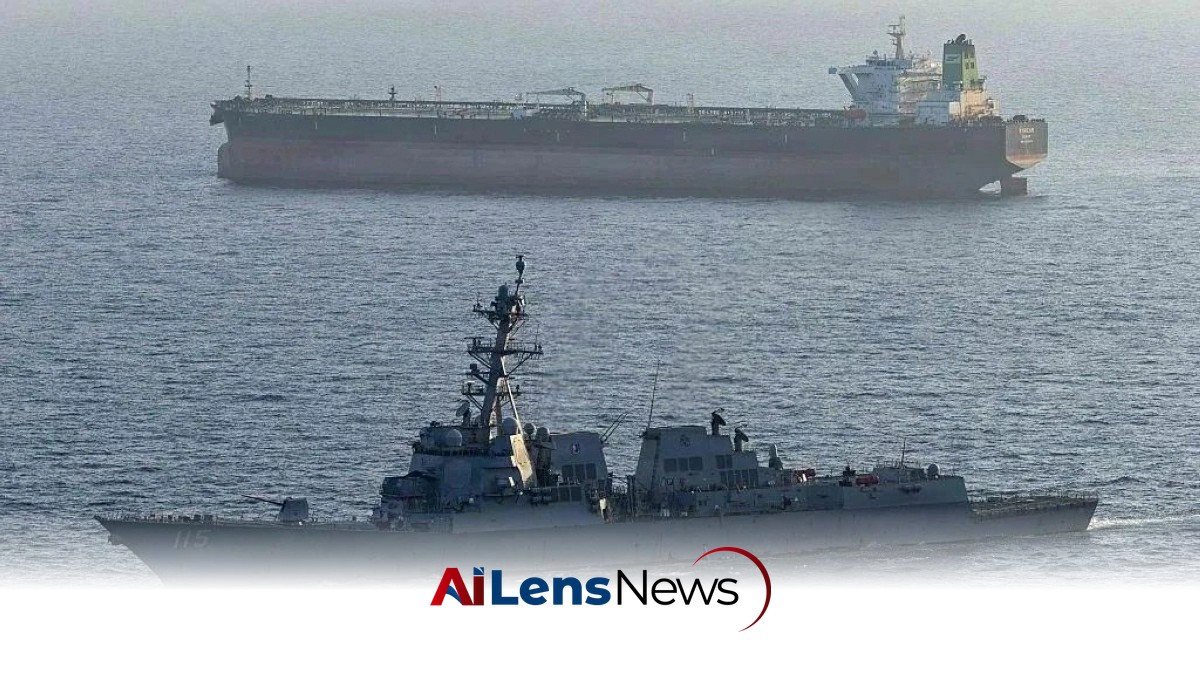
The backdrop of these strikes is the ongoing tension between Iran and its regional adversaries, particularly the United States and Saudi Arabia. Iran's Revolutionary Guards Corps (IRGC) responded to the strikes by announcing that their forces had intercepted three oil tankers in the Strait of Hormuz, claiming that these vessels were operating in an "unsafe and illegal route." This assertion underscores the strategic importance of the Strait of Hormuz, a critical chokepoint through which a significant portion of the world’s oil supply is transported. The IRGC's warning about "unlawful US military interference" indicates that Iran is prepared to respond aggressively to perceived threats against its interests in the region.
The U.S. military reported that its air defenses successfully thwarted a surprise Iranian missile attack targeting U.S. troops stationed in the region, highlighting the precarious security situation. The IRGC claimed responsibility for firing several ballistic missiles at U.S. military installations in Jordan, further escalating the military confrontation. This series of retaliatory actions marks a significant departure from a brief lull in hostilities that had followed a previous period of intense military engagement, during which U.S. President Donald Trump had called off a planned bombing campaign against Iran.
Saudi Arabia's defense ministry reported on Tuesday that its air defenses had intercepted several drones that were targeting oil facilities in the Eastern Province, a region that is home to the majority of the Kingdom's oil production. The spokesperson for the Saudi Defense Ministry, Turki al-Maliki, stated that the drone attacks were launched from Iraqi territory, implicating Iran-backed militias in these aggressive actions. The joint strikes by the U.S. and Saudi forces targeted multiple sites in eastern Iraq that were believed to be utilized by Iran for orchestrating drone attacks against Saudi Arabia.
The Iraqi Popular Mobilization Forces (PMF), a coalition of Iran-aligned militias operating within Iraq, reported that the strikes resulted in the deaths of eight of its members and injuries to four others, alongside damage to several of its facilities. The PMF condemned the attacks as a "highly dangerous escalation" and a violation of Iraq’s sovereignty, reflecting the complex nature of Iraq's internal politics and its relationships with both Iran and the U.S.
In a statement issued to state media, an Iranian defense official denied any connection to the attacks on Saudi targets, asserting that attributing such actions to Iran was a "major miscalculation." This statement aligns with the broader Iranian narrative that seeks to distance the Islamic Republic from direct involvement in regional conflicts, despite its well-documented support for various militia groups in Iraq and elsewhere.
The Islamic Resistance in Iraq, which serves as an umbrella organization for various Iran-backed armed groups, also denied any involvement in the drone attacks. This denial further complicates the already intricate web of alliances and enmities in the region, as various factions vie for influence amidst the backdrop of international scrutiny and military engagements.
On the diplomatic front, Iraqi Prime Minister Ali al-Zaidi announced plans to travel to Saudi Arabia for discussions following the drone attacks. His government has expressed a commitment to preventing Iraqi territory from being used as a staging ground for attacks on neighboring countries. This statement reflects Iraq's delicate balancing act as it navigates its relationships with both Iran and the U.S., while also striving to maintain its sovereignty and territorial integrity.
The renewed hostilities come after a brief pause in military actions, during which President Trump had indicated a willingness to engage in "very friendly negotiations" with Iran. This pause had followed a prolonged period of U.S. airstrikes, which reportedly resulted in significant casualties and damage to Iranian infrastructure. The cessation of hostilities was short-lived, however, as tensions quickly escalated once again.
Access to and control over the Strait of Hormuz remains a contentious issue in international discussions, particularly as it pertains to the global oil supply. Iran has repeatedly asserted its right to control this strategic waterway, and any military actions that threaten this control are viewed as existential threats by Tehran. The implications of this ongoing conflict extend beyond the immediate region, as disruptions in oil shipments can have far-reaching effects on global energy prices and economic stability.
In response to the escalating conflict, oil prices surged early on Wednesday, reflecting market concerns over potential disruptions to energy shipments through the Strait of Hormuz. In Asian trading, the global benchmark Brent crude rose by 4.3% to $87.70 per barrel, while U.S.-traded oil increased by 4.2% to $82.62. These fluctuations in oil prices are indicative of the market's sensitivity to geopolitical tensions and the potential for conflict to impact supply chains.
The timing of the latest strikes coincided with Israeli Prime Minister Benjamin Netanyahu's visit to Washington, where he met with President Trump. This meeting occurred in the context of heightened tensions between Israel and Iran, as well as ongoing discussions regarding U.S. foreign policy in the region. Netanyahu's presence in Washington during this critical moment underscores the interconnected nature of Middle Eastern geopolitics, where the actions of one nation can have ripple effects throughout the region.
Recent Pentagon data indicates that at least 624 U.S. military personnel have been wounded since President Trump ordered strikes against Iran earlier this year. Of these, 417 injuries were reported in relation to Operation Epic Fury, a joint U.S.-Israeli military operation targeting Iranian interests. These figures highlight the human cost of the ongoing conflict and the potential for further escalation as military actions continue.
In summary, the recent U.S.-Saudi strikes against Iran-backed groups in Iraq represent a significant escalation in a long-standing conflict characterized by a complex interplay of regional power dynamics, military engagements, and diplomatic negotiations. As the situation unfolds, the implications for Iraq, Iran, and the broader Middle East remain uncertain, with the potential for further violence and instability looming on the horizon.
To learn more about the latest developments in Culture & Society, stay updated with our exclusive reports and analyses on AiLensNews.

