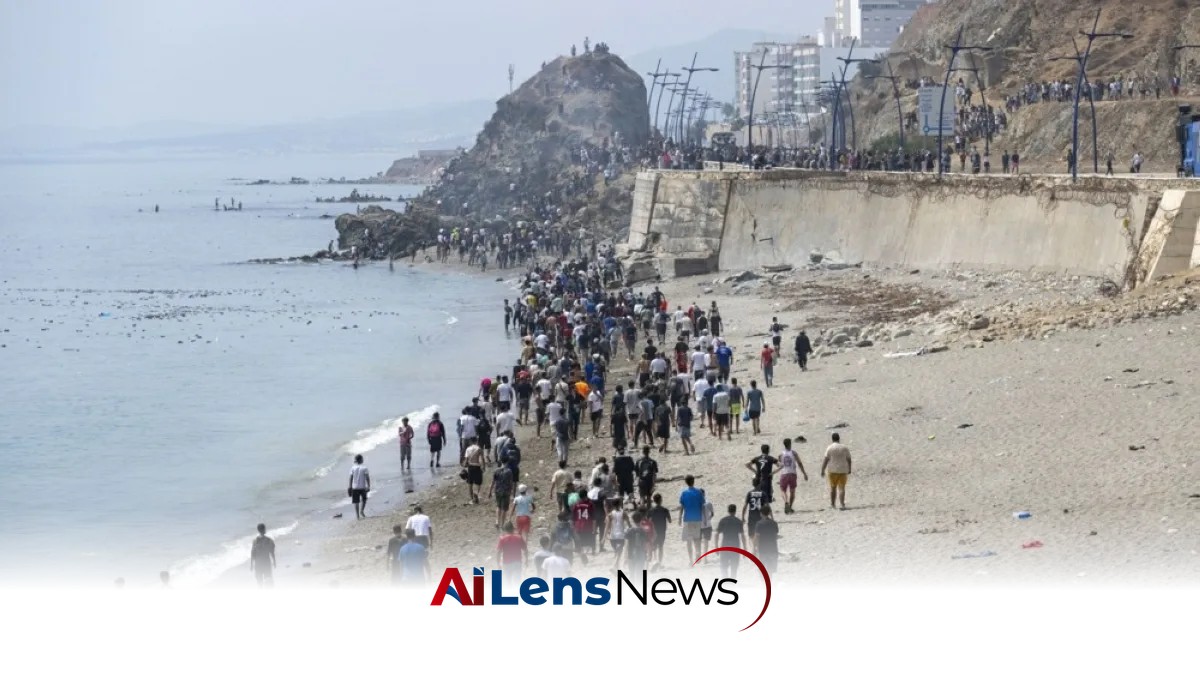


In response to a tragic migrant crossing that resulted in 67 fatalities, Spain is set to deploy a 500-meter sea barrier at Ceuta, as EU leaders call for coordinated border measures.
Riyadh, Saudi Arabia Aug 2, 2026 ALN: CEUTA, Spain — Spain has announced the installation of a 500-meter sea barrier along the maritime border of its North African enclave of Ceuta following a tragic incident involving a mass migrant crossing from Morocco. The crossing, which occurred earlier this week, has resulted in the deaths of at least 67 individuals, raising alarm over the ongoing migrant crisis in the region and prompting renewed calls for tighter coordination among European nations regarding border security.
The circumstances surrounding this crisis were dire, with Spanish authorities estimating that between 50,000 and 60,000 migrants attempted to breach the border during this event. Many of these individuals were fleeing dire conditions in their home countries, seeking refuge and better opportunities in Europe. Tragically, the death toll rose to 67 as many victims succumbed to drowning or were caught in a stampede near a breakwater crossing, highlighting the perilous nature of such crossings and the desperate situations that compel individuals to undertake them.
The migrant crisis has been a pressing issue in Europe for several years, exacerbated by various factors including armed conflicts, political instability, and economic hardship in regions such as Africa and the Middle East. Many migrants embark on treacherous journeys across the Mediterranean Sea, often using overcrowded and unseaworthy vessels. This crisis has led to thousands of deaths at sea, drawing widespread attention and criticism regarding the adequacy of European Union (EU) policies aimed at managing migration and ensuring the safety of individuals seeking asylum.
In the aftermath of this disaster, Spanish Prime Minister Pedro Sánchez has publicly criticized calls from certain European leaders to suspend Spain from the Schengen Area, which allows for passport-free travel among member states. He characterized such reactions as being driven by "prejudice, fake news, ignorance, or political interest," emphasizing the need for a more compassionate and coordinated response to the humanitarian crisis at hand. This statement underscores the tension between national security concerns and the humanitarian obligations of EU member states.
Spanish Interior Minister Fernando Grande-Marlaska, during a visit to Ceuta, announced the planned installation of the new sea barrier. This measure is part of Spain's broader strategy to enhance border security and manage the inflow of migrants more effectively. Grande-Marlaska stated that authorities had already returned most of those who crossed into Ceuta back to Morocco, reinforcing Spain's commitment to enforcing its immigration laws. He asserted, "We are relentless against those who break the law," indicating a firm stance on managing illegal crossings.
Furthermore, Grande-Marlaska defended the cooperation between Spain and Morocco in addressing the migrant situation. He dismissed suggestions that Morocco posed a threat to Ceuta or to Spain, instead highlighting the importance of bilateral cooperation in restoring order and control within a short period. "The events require an evaluation by Spain and Morocco," he stated, underscoring the necessity for both nations to work collaboratively to manage migratory flows and ensure safety at their shared borders. This cooperation is crucial, as Morocco has been a key partner in the EU's efforts to manage migration from Africa.
The crisis has not only affected Spain but has also reverberated throughout Europe, prompting leaders from 22 European Union countries to call for an emergency meeting of EU interior ministers. This meeting aims to coordinate a unified response to the challenges posed by mass migration and to strengthen the protection of the bloc's external borders. The situation in Ceuta serves as a stark reminder of the ongoing pressures faced by European nations in managing migration, particularly from Africa, where many individuals are fleeing conflict, poverty, and instability.
In response to the crisis, Prime Minister Sánchez has also requested an extraordinary videoconference of EU interior ministers, reiterating that safeguarding the Union's external frontiers is a shared responsibility among member states. This call for collective action reflects a growing recognition that migration is a multifaceted issue that requires cooperation and solidarity across Europe. The increasing number of migrants attempting to reach Europe has sparked debates about the adequacy of current EU policies and the need for reforms that address both security concerns and humanitarian needs.
While the Spanish government takes measures to address the immediate crisis, reports indicate that hundreds of migrants have voluntarily returned to Morocco, citing harsh conditions, food shortages, and inadequate shelter after reaching Ceuta. This return highlights the complex realities faced by migrants, who, despite their perilous journey, often find themselves in situations that do not meet their expectations for safety and opportunity. The harsh realities of life in Ceuta, characterized by overcrowded facilities and limited resources, have led many to reconsider their decision to migrate.
The situation in Ceuta is not an isolated incident but part of a broader trend affecting many European nations. The Mediterranean Sea has become a focal point for migration, with thousands of individuals attempting to reach Europe through perilous sea routes. The ongoing conflict in regions such as Syria, the economic instability in parts of Africa, and the political turmoil in countries like Afghanistan have all contributed to the rising numbers of people seeking refuge in Europe. As these trends continue, the need for comprehensive and humane migration policies becomes increasingly pressing.
Moreover, the implications of the recent tragedy extend beyond immediate humanitarian concerns. They raise questions about the effectiveness of current EU migration policies and the balance between border security and humanitarian obligations. The European Union has faced criticism for its handling of migration, with accusations of failing to adequately protect the rights of migrants while also enforcing strict border controls. As countries grapple with these challenges, the need for a cohesive and compassionate approach to migration is paramount. The EU's reliance on external partners like Morocco to manage migration flows has also been scrutinized, raising concerns about the treatment of migrants and the human rights implications of such agreements.
In conclusion, the installation of a sea barrier in Ceuta represents a significant response to a tragic event that has underscored the complexities of migration in Europe. As Spain and other EU nations navigate the challenges of border security and humanitarian obligations, the situation in Ceuta serves as a critical reminder of the urgent need for collaborative solutions that address the root causes of migration while ensuring the safety and dignity of those seeking refuge. The ongoing dialogue among European leaders and the call for coordinated action may pave the way for more effective policies that balance security with compassion in the face of one of the most pressing issues of our time. The tragedy in Ceuta may serve as a catalyst for change, prompting a reevaluation of migration policies across Europe and fostering a renewed commitment to addressing the humanitarian needs of migrants.
To learn more about the latest developments in Culture & Society, stay updated with our exclusive reports and analyses on AiLensNews.

