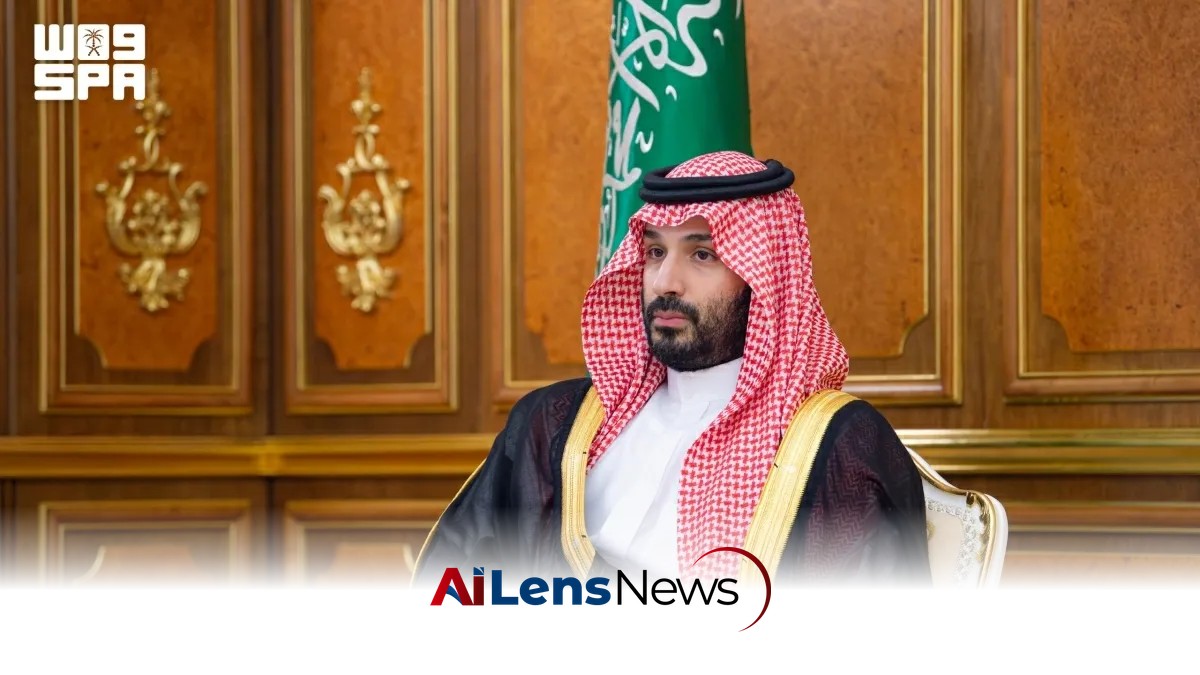


Crown Prince Mohammed bin Salman and Spanish PM Pedro Sánchez discuss ties and condemn Houthi attacks on Saudi vessels, reaffirming Spain's support for Saudi Arabia.
Riyadh, Saudi Arabia Jul 29, 2026 ALN: Crown Prince and Prime Minister Mohammed bin Salman held a telephone call with Spanish Prime Minister Pedro Sánchez on Tuesday to discuss bilateral relations and regional developments. This conversation comes at a time of heightened tensions in the Middle East, particularly concerning maritime security in the Red Sea, which has significant implications for global trade routes.
The Red Sea is a critical maritime corridor that connects Europe to Asia, facilitating the movement of goods and energy supplies. Recent incidents involving attacks on vessels have raised concerns over the safety of this vital shipping lane. As global trade becomes increasingly interdependent, any disruption in this area could have far-reaching consequences for economies around the world. The ongoing conflicts in the region, particularly the war in Yemen, have further complicated the security landscape, prompting international calls for stability and cooperation.
The two leaders reviewed the ongoing cooperation between Saudi Arabia and Spain, which has historically been rooted in economic, cultural, and political ties. Spain, a member of the European Union, has been looking to strengthen its relationships with Gulf nations, particularly as the EU seeks to diversify its energy sources and enhance its geopolitical footprint in the region. This aligns with Saudi Arabia's Vision 2030 initiative, which aims to diversify its economy away from oil dependency and foster international partnerships.
Vision 2030 is a comprehensive reform plan that seeks to reduce Saudi Arabia's reliance on oil revenues and develop other sectors such as tourism, entertainment, and technology. By engaging with countries like Spain, which has a wealth of experience in renewable energy and cultural tourism, Saudi Arabia can leverage these partnerships to achieve its ambitious economic goals. The diversification of energy sources is particularly crucial for the EU, which is actively seeking alternatives to Russian energy supplies in the wake of geopolitical tensions.
During the call, Sánchez condemned and denounced Houthi attacks on Saudi vessels, highlighting the increasing threats posed by the group to freedom of navigation in the Red Sea. The Houthis, an Iran-aligned militia based in Yemen, have been involved in a protracted conflict that has drawn in multiple regional actors and has exacerbated humanitarian crises in Yemen. Their recent attacks on maritime targets have raised alarms not only in Saudi Arabia but also among key global stakeholders who rely on the Red Sea as a vital shipping corridor.
The Houthis' actions are seen as part of a broader regional power struggle involving Iran, which has been accused of providing support to the militia. This situation complicates the already intricate geopolitical landscape of the Middle East, where various state and non-state actors vie for influence. The implications of these conflicts extend beyond immediate regional concerns, affecting global energy markets and trade dynamics.
In response to these threats, Sánchez reaffirmed Spain's full support for Saudi Arabia, emphasizing the importance of maintaining security and stability in the region. This support is indicative of Spain's broader foreign policy approach, which seeks to balance its commitments to international law and human rights with pragmatic considerations regarding security and economic interests. Spain's backing of Saudi measures to safeguard its security and sovereignty reflects a growing recognition of the interconnectedness of regional security issues and their implications for European interests.
The conversation also touched upon the ongoing humanitarian crisis in Yemen, which has been exacerbated by the conflict involving the Houthis and the Saudi-led coalition. The war has led to one of the world's worst humanitarian disasters, with millions facing food insecurity and a lack of access to essential services. Both leaders acknowledged the need for a political solution to the conflict, recognizing that lasting peace in Yemen is crucial not only for the Yemeni people but also for the stability of the region as a whole.
Efforts to find a political resolution to the Yemeni conflict have been hindered by deep-seated divisions among various factions, as well as external influences from regional powers. The United Nations and other international bodies have been actively engaged in peace negotiations, but progress has been slow. The humanitarian situation remains dire, with many civilians caught in the crossfire and in desperate need of assistance.
Furthermore, the discussions highlighted the importance of collaboration in various sectors, including trade, investment, and cultural exchange. Saudi Arabia and Spain have the potential to enhance their economic ties, particularly in areas such as renewable energy, technology, and tourism. Spain is known for its advancements in renewable energy technologies, which aligns with Saudi Arabia's efforts to diversify its energy sources and invest in sustainable infrastructure.
Saudi Arabia's investment in renewable energy is part of its broader strategy to transition to a more sustainable economy. Initiatives like the NEOM project, which aims to create a smart city powered by renewable energy, reflect the Kingdom's commitment to innovation and sustainability. Collaborating with Spain, which has made significant strides in solar and wind energy, could provide valuable insights and technologies to support these ambitious projects.
As part of Saudi Arabia's Vision 2030, the Kingdom aims to attract foreign investment and foster international partnerships that can support its economic transformation. Spain, with its rich cultural heritage and strong tourism sector, presents an opportunity for Saudi Arabia to enhance its cultural diplomacy and promote tourism as part of its diversification strategy. The potential for cultural exchanges, educational partnerships, and collaborative projects could further deepen ties between the two nations.
In addition to economic cooperation, the leaders discussed the importance of cultural exchange, which has been a cornerstone of Saudi-Spanish relations. Initiatives that promote cultural understanding and cooperation can help build stronger ties between the two nations, fostering goodwill and mutual respect. This is particularly relevant in the context of the historical connections between Spain and the Arab world, dating back centuries, which can serve as a foundation for renewed collaboration.
The rich history of interactions between Spain and the Arab world, particularly during the period of Al-Andalus, has left a lasting legacy that continues to influence cultural exchanges today. By leveraging this shared heritage, both countries can promote dialogue and understanding, which is essential in a world increasingly marked by division and conflict.
The call between Crown Prince Mohammed bin Salman and Prime Minister Pedro Sánchez is part of a broader trend of increasing diplomatic engagement between Saudi Arabia and European countries. As regional dynamics continue to evolve, Saudi Arabia is keen to strengthen its relationships with European nations, which can provide diplomatic support and economic partnerships. This is particularly important as the Kingdom navigates complex regional challenges, including relations with Iran, the ongoing conflict in Yemen, and the broader implications of U.S. foreign policy in the Middle East.
As the geopolitical landscape shifts, Saudi Arabia's efforts to bolster ties with European nations like Spain may also reflect a strategic pivot towards diversifying its international alliances. Engaging with European countries can provide Saudi Arabia with additional diplomatic leverage and open new avenues for collaboration on security, trade, and cultural initiatives.
In conclusion, the recent telephone conversation between the Saudi Crown Prince and the Spanish Prime Minister underscores the importance of bilateral relations in a time of regional uncertainty. Both leaders are committed to enhancing cooperation across various sectors while addressing shared concerns about security and stability. As the geopolitical landscape continues to shift, such dialogues will be crucial in fostering understanding and collaboration between nations, ultimately contributing to a more stable and prosperous region. The implications of these discussions extend beyond the immediate context, potentially shaping future interactions and partnerships in a rapidly changing world.
To learn more about the latest developments in Culture & Society, stay updated with our exclusive reports and analyses on AiLensNews.

