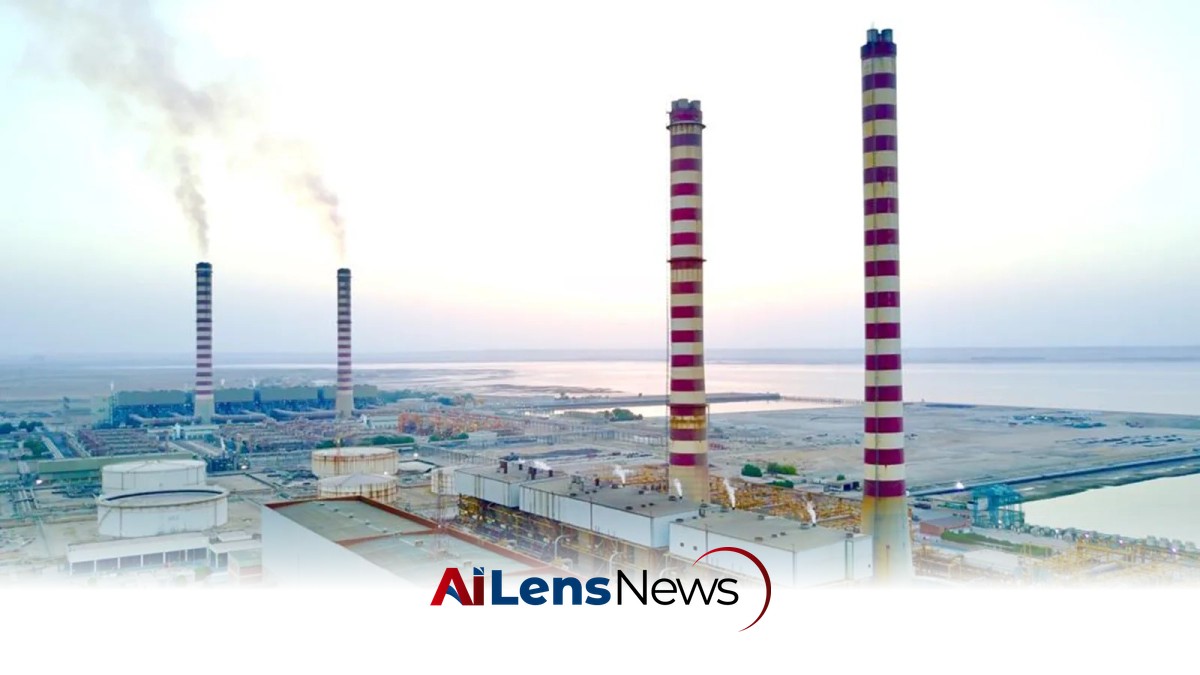


An Iranian strike on a desalination plant in Kuwait has revealed the fragility of Gulf water infrastructure amid ongoing regional tensions.
Riyadh, Saudi Arabia Jul 19, 2026 ALN: An Iranian strike on a power and water desalination plant in Kuwait has highlighted the vulnerability of critical drinking water infrastructure across the Gulf as regional hostilities continue. The incident underscores the precarious state of water security in a region where access to fresh water is already a pressing concern due to both natural and geopolitical factors.
Kuwaiti authorities reported that the strike, which occurred on a Friday, caused significant damage to several power generation units at the facility, leading to a fire that required immediate emergency response measures. Fortunately, the blaze was contained, and contingency plans were activated to ensure the continued supply of water to the population. However, the attack raised alarms about the safety and resilience of vital water infrastructure in the region.
This particular facility is one of Kuwait's key sources of drinking water, situated in a country that relies heavily on desalination to meet its freshwater needs. Approximately 90% of Kuwait's drinking water is produced through desalination processes, a statistic that mirrors the situation in other Gulf states. For instance, Oman sources about 86% of its drinking water from desalination, while Saudi Arabia relies on this technology for roughly 70% of its water supply. Most of these plants utilize reverse osmosis, a method that effectively removes salt from seawater to convert it into potable water.
The geographical positioning of these hundreds of desalination plants along the Gulf coastline places them within striking distance of missile and drone attacks, making them highly vulnerable to conflict-related incidents. The strategic importance of these facilities cannot be overstated; without them, many Gulf cities would face significant challenges in sustaining their populations, particularly in the face of ongoing regional tensions.
The latest strike on the Kuwaiti desalination plant follows a series of attacks that have exposed the fragility of essential infrastructure across the region. Earlier in the conflict, Kuwait reported damage at the Doha West desalination plant, attributed to debris from intercepted drones or nearby attacks. Such incidents illustrate a worrying trend of escalating hostilities that not only threaten lives but also the basic necessities of everyday living, such as access to clean water.
Adding to the complexity of the situation, Iran has accused the United States of targeting desalination facilities on Qeshm Island earlier this year, an allegation that Washington has not acknowledged. This tit-for-tat exchange of accusations highlights the tense geopolitical environment in the Gulf, where mistrust and hostility can lead to rapid escalations that affect civilian infrastructure.
Many Gulf desalination facilities are integrated with power plants, which means that damage to electricity infrastructure can have a cascading effect on water production capabilities. Even minor damage to intake systems, treatment equipment, or power supplies can halt operations, leading to immediate shortages of drinking water. This interdependency underscores the critical need for robust security measures to protect these facilities from both external attacks and natural disasters.
Security analysts have long warned that attacks on desalination infrastructure could trigger severe humanitarian and economic consequences. A 2010 CIA assessment projected that prolonged outages at major Gulf desalination plants could quickly escalate into national crises, particularly given that a significant proportion of the region's desalinated water is produced by a relatively small number of strategically important facilities. This concentration of resources creates a vulnerability that could be exploited in times of conflict.
In addition to the immediate threats posed by regional conflicts, experts also point to the growing risks that climate change poses to Gulf desalination plants. As global temperatures rise, the region is experiencing more frequent and severe weather events, including storm surges, extreme rainfall, and increasingly powerful cyclones. These climate-related challenges can damage infrastructure, disrupt operations, and further complicate the already tenuous water security situation.
The implications of these vulnerabilities extend beyond immediate supply concerns. Water scarcity can lead to social unrest, economic instability, and increased competition for resources. In a region where water is already a precious commodity, any disruption in supply can exacerbate existing tensions and lead to conflicts over access to this essential resource. Furthermore, the reliance on desalination technology, while a solution to freshwater shortages, also raises questions about sustainability and the environmental impacts of large-scale seawater processing.
As the Gulf states continue to navigate the challenges of regional hostilities and climate change, the need for comprehensive strategies to protect critical infrastructure becomes increasingly urgent. This includes enhancing security measures at desalination facilities, investing in alternative water sources, and implementing policies that promote water conservation and sustainable management practices. The recent attack serves as a stark reminder of the interconnectedness of regional security and water availability, emphasizing the need for collaborative efforts among Gulf nations to safeguard their water resources and ensure the resilience of their infrastructure in the face of ongoing threats.
The Gulf Cooperation Council (GCC), which includes Kuwait, Saudi Arabia, the United Arab Emirates, Oman, Qatar, and Bahrain, has recognized the importance of water security in its regional agenda. The GCC has been working on initiatives to foster cooperation in water resource management, technology sharing, and emergency response strategies. However, the effectiveness of these initiatives often hinges on the broader political climate and the willingness of member states to collaborate amidst rising tensions.
Moreover, the strategic importance of water resources in the Gulf has implications for international relations and foreign policy. Countries outside the region, particularly those with vested interests in Gulf stability, may find themselves increasingly drawn into discussions about water security as a component of broader geopolitical strategies. This could lead to new alliances or exacerbate existing rivalries, depending on how water security issues are addressed.
In conclusion, the attack on the Kuwaiti desalination plant serves as a critical reminder of the vulnerabilities inherent in the Gulf's water security landscape. As the region grapples with the dual challenges of geopolitical conflict and climate change, the need for a proactive and collaborative approach to safeguarding water infrastructure has never been more pressing. Ensuring the resilience of desalination facilities and promoting sustainable water management will be essential in mitigating future risks and securing access to this vital resource for generations to come.
To learn more about the latest developments in Culture & Society, stay updated with our exclusive reports and analyses on AiLensNews.

