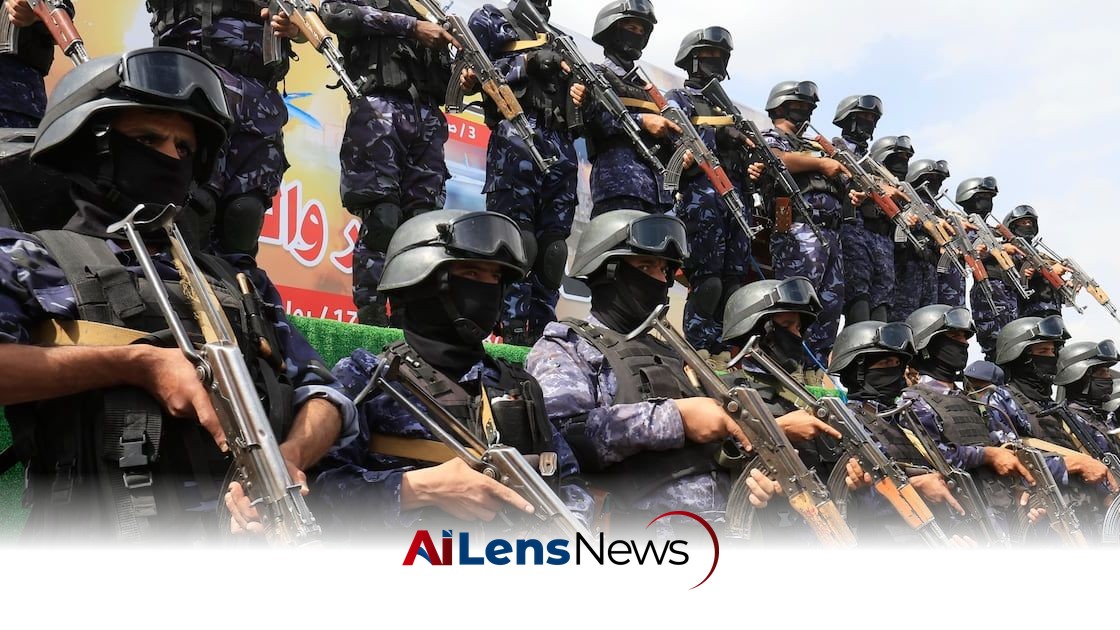


The Houthi rebels have imposed a maritime embargo on Saudi Arabia, escalating regional tensions and threatening Gulf trade routes.
Riyadh, Saudi Arabia Jul 21, 2026 ALN: The Houthi rebels, an armed group that has been involved in the ongoing conflict in Yemen, have recently declared a “maritime embargo” against Saudi Arabia. This announcement has raised significant concerns regarding the potential for increased chaos in Gulf trade, which is already under strain due to geopolitical tensions in the region.
The Houthis characterized their decision as a direct response to what they describe as a Saudi blockade of Yemen. This blockade has been a point of contention and has exacerbated the humanitarian crisis within Yemen, a country that has been devastated by years of conflict. The situation has led to widespread famine and suffering among the Yemeni population, with the United Nations warning of dire humanitarian conditions.
In a televised address, Houthi military spokesman Yahya Saree condemned Saudi Arabia for what he termed an “unjust siege” on Yemen, highlighting the restrictions imposed on the country’s ports and airports. These restrictions have severely limited the flow of essential goods, including food, medicine, and fuel, worsening the plight of millions of Yemenis. The Houthis' declaration of a maritime embargo is framed as a “siege for a siege”, indicating their intent to reciprocate what they view as hostile actions by Saudi Arabia.
While the Houthis did not provide detailed information about the specifics of the embargo or the geographic scope of its enforcement, the implications of such a move are significant. The maritime routes in the region are crucial for international trade, particularly oil exports. Any disruption could lead to increased shipping costs and delays, impacting global oil prices and potentially leading to economic repercussions far beyond the immediate region.
On the same day as the Houthi announcement, reports emerged of two attacks on tankers near the Strait of Hormuz, a vital waterway through which a significant portion of the world’s oil supply passes. These incidents occurred amid escalating tensions between the United States and Iran, which have engaged in a series of retaliatory strikes over the past week. The Strait of Hormuz has been a flashpoint for conflict, and any further escalation could threaten the stability of oil markets.
Analysts have noted that a blockade imposed by the Houthis could have detrimental effects on Saudi Arabia, which has been forced to reroute its oil exports through the Red Sea due to the ongoing situation in the Strait of Hormuz. The Houthis have previously targeted shipping in the Red Sea as part of their broader strategy in the regional conflict, which has resulted in increased costs for shipping companies and longer transit times for vessels.
The Bab Al Mandeb strait, which serves as the southern entrance to the Red Sea, is critical for Saudi oil exports, particularly to Asia. A closure of this strait would severely hinder the flow of oil and could lead to significant economic consequences for Saudi Arabia and the global oil market. Kate Dourian, an analyst at the Energy Institute in the UK, emphasized the importance of Saudi Arabia's Red Sea terminal at Yanbu, referring to it as a “vital artery” for oil exports since the closure of the Strait of Hormuz. She warned that any disruption at this terminal would have immediate and far-reaching effects on the market.
Saudi Arabia's reliance on the East-West Pipeline and the Yanbu terminal has grown in light of the challenges posed by the Strait of Hormuz. However, these alternative routes were not designed to serve as permanent solutions for the kingdom's entire export system. Bjorn Vang Jensen, an adviser at the freight pricing company Xeneta, pointed out that Saudi Arabia “cannot afford to let this blockade stand”, as the Red Sea ports have become essential to the kingdom's maritime operations during the ongoing blockade of the Strait of Hormuz.
This development is noteworthy not only because of its immediate implications but also because it signals the Houthis' desire to assert their autonomy in the regional conflict. Analysts suggest that the Houthis may be attempting to decouple their actions from their dependence on Iran, which has been a key supporter of the group throughout the conflict. This could be interpreted as a strategic maneuver to mitigate the risks of retaliation from other regional powers, particularly Israel and the United States, by framing their actions as independent of Iranian influence.
Noam Raydan from the Washington Institute for Near East Policy remarked on the uncertainty surrounding the Houthis' maritime campaign, noting that it remains unclear how they will target ships and what specific actions will be taken under the embargo. The ambiguity surrounding the embargo raises questions about the potential for miscalculations or unintended escalations that could further destabilize the region.
In their announcement, the Houthis also issued a warning that any further escalation by Saudi Arabia would elicit a broader response from their forces. Yahya Saree stated that the Yemeni armed forces are prepared for “all options”, asserting their right to respond to the blockade and any acts of aggression. This rhetoric underscores the heightened tensions in the region and the potential for a significant escalation in hostilities.
The ongoing conflict in Yemen, which began in 2014, has drawn in multiple regional actors and has become a proxy battleground for broader geopolitical rivalries, particularly between Saudi Arabia and Iran. The humanitarian crisis in Yemen has reached catastrophic levels, with millions of people facing food insecurity and lack of access to basic services. The international community has repeatedly called for a resolution to the conflict, but efforts to achieve a lasting peace have been stymied by entrenched positions and ongoing violence.
As the situation continues to evolve, the implications of the Houthi maritime embargo will likely be felt not only in Yemen and Saudi Arabia but also in global markets and international relations. The potential for increased military confrontation in the Gulf region raises concerns about the stability of oil supplies and the broader impact on global economic conditions. Policymakers and analysts will be closely monitoring developments in the region as the situation unfolds, with the hope that diplomatic solutions can be found to mitigate the escalating tensions and humanitarian suffering.
To learn more about the latest developments in Culture & Society, stay updated with our exclusive reports and analyses on AiLensNews.

