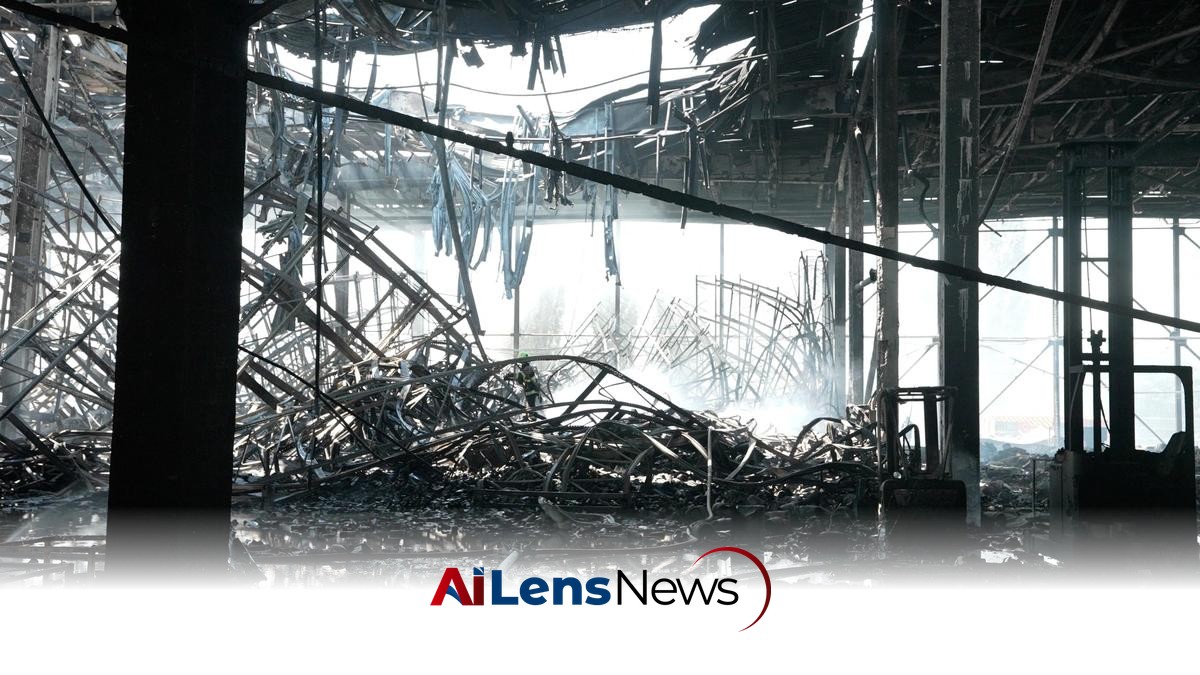


Russia and Ukraine engage in deadly exchanges, with significant casualties reported following a massive missile and drone attack on Kyiv.
Russia, Russia Jul 4, 2026 ALN: The ongoing conflict between Russia and Ukraine, which escalated significantly following Russia's invasion of Ukraine in February 2022, continues to result in devastating human losses and destruction. This protracted conflict has not only altered the geopolitical landscape of Eastern Europe but has also had profound humanitarian implications, with millions of civilians affected by the violence. Recent reports indicate a sharp increase in violence, with deadly exchanges between the two nations leading to numerous fatalities on both sides. On Friday, July 4, 2026, local officials reported that at least 10 individuals lost their lives due to Ukrainian strikes targeting Russian and Moscow-occupied territories. This tragic development is compounded by Ukraine's report of five fatalities resulting from Russian strikes, highlighting the relentless cycle of violence that characterizes the conflict.
The latest exchanges of fire come in the wake of a severe overnight assault by Russian forces on Ukraine's capital, Kyiv. This attack, described as one of the most brutal in recent memory, resulted in at least 30 deaths, marking a significant escalation in the hostilities. The intensity of the assault has raised concerns among international observers regarding the humanitarian implications and the prospects for peace in the region. Humanitarian organizations have warned of the dire conditions faced by civilians, many of whom have been displaced from their homes and are in urgent need of assistance.
On the same day, a Ukrainian strike on a market located in the southern Zaporizhzhia region, which is under Russian occupation, reportedly killed five individuals. Yevgeny Balitsky, the Kremlin-appointed governor of the region, condemned the attack, asserting that it was a strike against civilian life and those simply seeking to purchase groceries. This incident underscores the tragic reality that civilians often bear the brunt of military actions in this protracted conflict. The market attack, which targeted a location where families typically gather and shop, highlights the indiscriminate nature of warfare and raises questions about the principles of distinction and proportionality in armed conflict.
"This is a strike against civilian life — against people who had come to buy groceries," Yevgeny Balitsky stated on Telegram.
In addition to the market attack, Balitsky reported that three other individuals had died in separate incidents within the same region, highlighting the pervasive danger faced by civilians in areas affected by the conflict. The toll of violence was not limited to Ukrainian strikes, as two fatalities were also reported from strikes in Russia's western Belgorod and Bryansk regions, both of which border Ukraine. Local officials confirmed these deaths, further illustrating the cross-border nature of the conflict and its impact on both nations. The cross-border strikes have led to a sense of insecurity and fear among residents in both Ukraine and Russia, as the conflict increasingly affects civilian life in regions far from the front lines.
In a reciprocal act of violence, Ukraine reported that a strike in its northeastern Sumy region resulted in a house fire that claimed the lives of four individuals, including a toddler. Oleg Grygorov, the head of the Sumy regional military administration, expressed his grief over the tragic loss of life, particularly that of a young child. The emotional toll of such incidents is profound, as families are torn apart by the violence. The deaths of civilians, especially children, have sparked outrage and calls for accountability from both sides, with humanitarian advocates urging leaders to prioritize the protection of non-combatants in their military strategies.
"Sadly, two women, an elderly man, and a small child — a girl not yet two years old — were killed. The Russian strike took her life along with her mother's," stated Oleg Grygorov, head of the Sumy regional military administration, on Telegram.
Furthermore, three additional individuals were reported injured in the attack, adding to the growing number of casualties resulting from the ongoing conflict. In the central eastern Dnipropetrovsk region, one person was killed and five others wounded, as reported by regional military administration head Oleksandr Ganzha. These incidents serve as a grim reminder of the violence that permeates daily life in both Ukraine and the regions of Russia near the border. The persistent violence has created a humanitarian crisis, with countless families mourning the loss of loved ones and many more living in constant fear of airstrikes and shelling.
In terms of military engagement, Kyiv's air force indicated that Russia launched a significant barrage of two missiles and 105 drones at Ukraine overnight. This assault reflects the ongoing strategy employed by Russia to utilize aerial bombardments as a means of exerting pressure on Ukraine's military capabilities and infrastructure. The use of drones in warfare has become increasingly prevalent, with both sides employing unmanned aerial vehicles to conduct surveillance and attacks. In retaliation, Russia claimed to have intercepted and shot down 155 Ukrainian drones over its territories and annexed Crimea, a region that has been a focal point of the conflict since 2014. The escalation of drone warfare raises concerns about the potential for civilian casualties, as these technologies are often deployed in densely populated areas.
The events of Thursday, July 2, 2026, stand out as one of the most intense drone and missile assaults on Kyiv since the beginning of the invasion. The scale and ferocity of the attack have raised alarms among humanitarian organizations and global leaders, who continue to call for a cessation of hostilities and a return to diplomatic negotiations. The humanitarian implications of such violence are dire, with both nations facing challenges in terms of civilian protection, infrastructure damage, and the psychological toll on their populations. Mental health professionals have noted an increase in trauma-related cases among civilians, particularly children, who are exposed to the horrors of war.
As the conflict persists, international responses have varied, with some nations expressing solidarity with Ukraine and others supporting Russia's position. The geopolitical ramifications of the ongoing violence extend beyond the immediate region, affecting global security dynamics, energy markets, and international relations. The cycle of retaliation and violence raises critical questions about the prospects for peace and stability in Eastern Europe. Analysts have pointed to the need for renewed diplomatic efforts and international mediation to address the underlying issues fueling the conflict, including territorial disputes and security concerns.
In summary, the recent exchanges of deadly strikes between Russia and Ukraine underscore the tragic human cost of the ongoing conflict. With civilians caught in the crossfire and both sides suffering significant casualties, the situation remains dire. The international community continues to watch closely, hoping for a resolution that can bring an end to the violence and restore peace to the region. The path to peace will likely require difficult compromises and a commitment to addressing the humanitarian needs of those affected by the conflict, as well as a concerted effort to rebuild trust between the warring parties.
To learn more about the latest developments in Wars & Conflicts, stay updated with our exclusive reports and analyses on AiLensNews.

