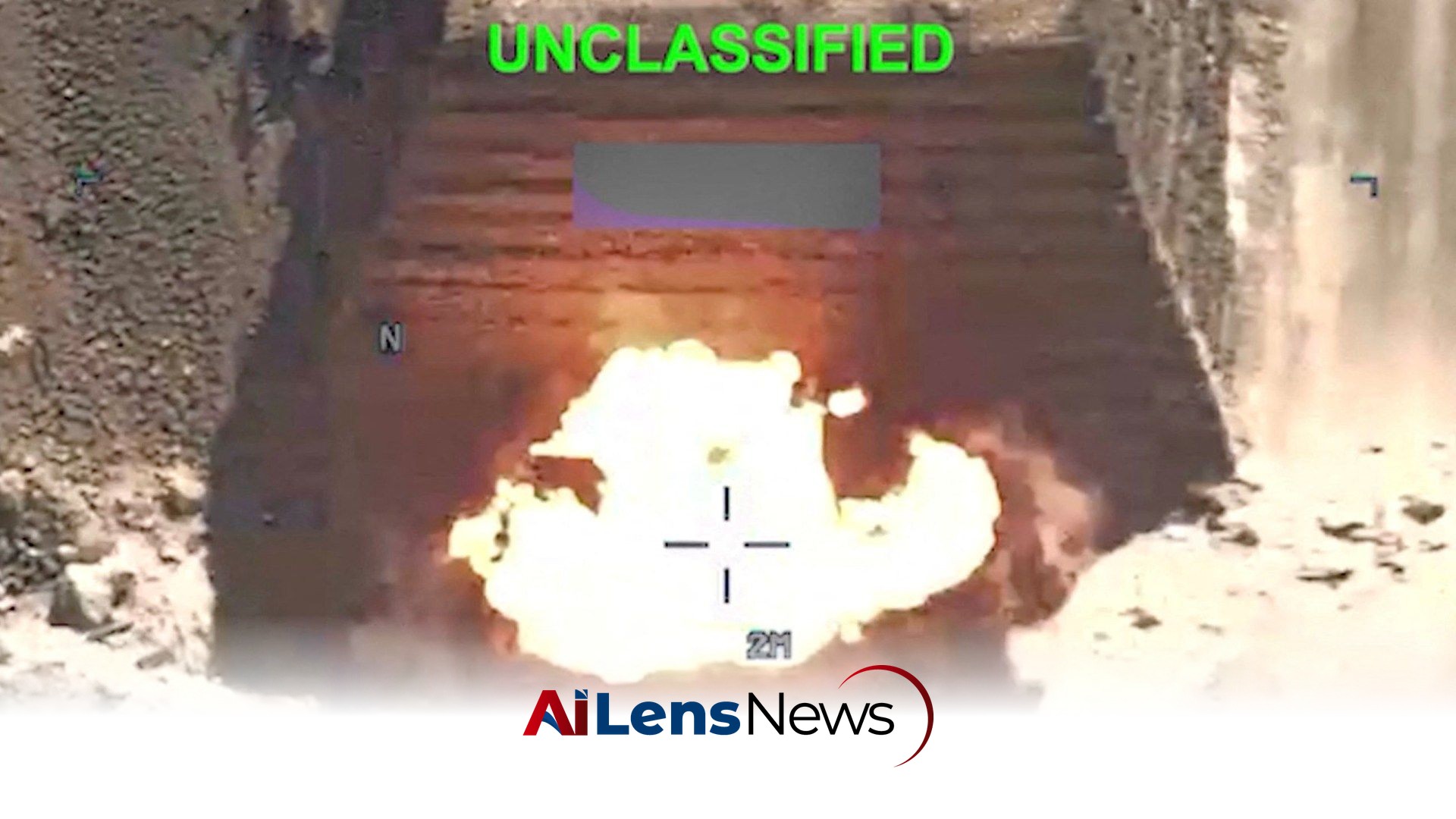


The US has initiated new military actions against Iran, with significant financial implications reported by Hegseth. Trump threatens further escalation.
Doha, Qatar Jul 22, 2026 ALN: The ongoing conflict in Iran has escalated significantly in recent weeks, prompting the United States to launch targeted military strikes against Iranian facilities. This escalation has raised alarms about the potential implications for both regional stability and broader international relations, particularly in the context of Iran's controversial nuclear program.
Reports indicate that the conflict, which has roots in longstanding geopolitical tensions, has already cost the US approximately $37.5 billion. This figure, cited by political commentator Pete Hegseth, underscores the financial burden that military engagements can impose on a nation. The economic implications of prolonged military involvement often extend beyond immediate expenditures, affecting domestic priorities and budget allocations. In the context of a nation grappling with various internal challenges, including healthcare, education, and infrastructure, the diversion of resources towards military operations raises significant concerns among policymakers and the public alike.
Former President Donald Trump has made headlines with his recent threats to target a suspected Iranian nuclear site known as Pickaxe Mountain. His statement, which included a vow to bomb the site 'very heavily' if deemed necessary, has sparked fears of a significant escalation in military actions. Such rhetoric from a prominent political figure can influence public perception and policy discourse, potentially leading to increased calls for military intervention or, conversely, for restraint and diplomacy. The use of such strong language not only reflects the heightened tensions but also serves to galvanize both supporters and opponents of military action.
Pickaxe Mountain, reportedly a site of interest due to its association with Iran's nuclear ambitions, has become a focal point in discussions surrounding the country's nuclear capabilities. The international community has long been concerned about Iran's potential to develop nuclear weapons, which could significantly alter the balance of power in the Middle East and beyond. The Joint Comprehensive Plan of Action (JCPOA), an agreement reached in 2015 aimed at curbing Iran's nuclear program, has faced numerous challenges and setbacks, particularly following the US withdrawal from the agreement in 2018. The collapse of this diplomatic effort has contributed to rising tensions and has complicated the landscape of international relations regarding Iran.
The JCPOA was initially celebrated as a diplomatic triumph, offering a framework for monitoring Iran's nuclear activities in exchange for the lifting of economic sanctions. However, the US withdrawal under the Trump administration and the subsequent reimposition of sanctions have led Iran to gradually step away from its commitments under the agreement. This has resulted in a precarious situation where Iran has resumed uranium enrichment and other activities that raise alarms among its adversaries, thereby intensifying fears of a nuclear arms race in the region.
The recent military actions by the US are part of a broader strategy that reflects the complexities of US-Iran relations. Historically, these relations have been fraught with tension, dating back to events such as the 1979 Iranian Revolution and the subsequent hostage crisis, which have left a lasting impact on mutual perceptions. Over the years, various administrations have adopted different approaches to engagement with Iran, ranging from diplomatic efforts to military posturing. The fluctuating nature of US policy towards Iran often mirrors domestic political considerations, with administrations facing pressure from various interest groups advocating for different strategies.
As the situation remains fluid, analysts are closely monitoring developments, particularly given the financial burden the conflict has placed on the US government. The costs associated with military operations can have far-reaching implications, not only for defense budgets but also for domestic programs and services. Policymakers must weigh the immediate benefits of military action against the long-term consequences for national security and economic stability. The ongoing debate over military spending versus social programs highlights the challenges faced by the government in balancing national security interests with the needs of its citizens.
Moreover, the latest escalation has drawn attention from global leaders and international organizations, who are urging dialogue as a means to prevent further escalation. The United Nations and various countries have called for a return to diplomatic negotiations, emphasizing the importance of finding peaceful resolutions to conflicts. The potential for military conflict to spiral into a larger regional war remains a pressing concern, particularly in a region already marked by instability and violence. The involvement of multiple actors, including regional powers and non-state actors, complicates the landscape and necessitates a coordinated international response.
In addition to the immediate military and economic implications, the conflict also raises questions about the impact on US alliances in the region. Countries such as Israel, Saudi Arabia, and others have historically viewed Iran as a significant threat, and they may welcome a more aggressive US stance. However, such actions could also alienate other nations that advocate for diplomatic solutions, highlighting the delicate balance the US must navigate in its foreign policy. The risk of alienating key allies while attempting to confront adversaries underscores the complexity of international relations in the context of the Iranian conflict.
The involvement of non-state actors and proxy groups further complicates the situation. Iran has been known to support various militias and organizations throughout the Middle East, which can act in ways that challenge US interests and exacerbate tensions. The potential for retaliatory actions by these groups in response to US strikes could lead to a cycle of violence that is difficult to contain. This web of alliances and enmities creates a volatile environment where miscalculations can have dramatic consequences, potentially leading to wider conflict.
As the US continues its military operations, it is crucial for the international community to engage in proactive diplomacy. The stakes are high, and the consequences of inaction or miscalculation could be dire. The call for dialogue is not merely a diplomatic nicety; it is a necessary step to prevent further escalation and to work toward a sustainable resolution to the ongoing crisis. Engaging in meaningful negotiations that address the underlying issues, including security concerns and regional rivalries, is essential for achieving lasting peace.
In conclusion, the recent military strikes against Iranian nuclear sites mark a significant escalation in the ongoing conflict, with far-reaching implications for regional stability and international relations. The financial costs, the potential for military escalation, and the need for diplomatic engagement are all critical factors that policymakers must consider as they navigate this complex and volatile situation. The path forward requires careful deliberation and a commitment to finding peaceful solutions that prioritize stability and security for all parties involved. The interplay of military action and diplomatic efforts will ultimately determine the trajectory of US-Iran relations and the broader geopolitical landscape in the Middle East.
To learn more about the latest developments in Culture & Society, stay updated with our exclusive reports and analyses on AiLensNews.

