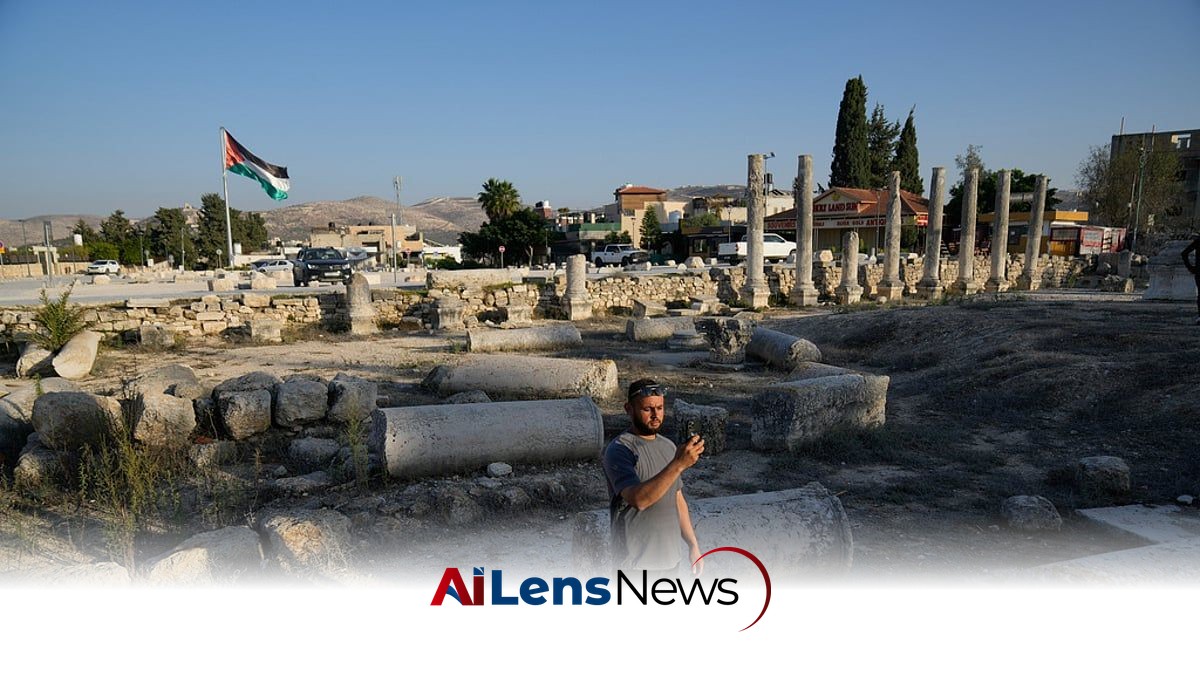


UNESCO has added a significant archaeological site in the West Bank and five castles in Lebanon to its World Heritage List, despite strong objections from Israel.
Doha, Qatar Jul 25, 2026 ALN: A United Nations committee voted Friday to inscribe a major archaeological site in the West Bank and a set of castles in southern Lebanon as World Heritage sites, despite objections from Israel, which had urged the committee to reject the bids. This decision, made during a UN Educational, Scientific and Cultural Organization (UNESCO) meeting in Busan, South Korea, highlights the ongoing tensions surrounding cultural heritage in regions marked by conflict.
The recent decision to designate the small West Bank town of Sebastia and five castles in Lebanon’s Mount Amel area as World Heritage sites comes amid a backdrop of escalating geopolitical tensions in the Middle East. Israel's Foreign Ministry had previously characterized the nominations as a “weaponisation of cultural heritage,” reflecting broader concerns about the politicization of historical sites.
At their meeting in Busan, members of the UNESCO committee decided to place Sebastia and the five Lebanese castles on both the World Heritage List and the List of World Heritage in Danger. The committee’s emergency review of the nominations was prompted by ongoing conflicts in the region, which have raised concerns about the preservation of these sites.
Sebastia, a hilltop town located approximately 10 kilometers (6 miles) northwest of Nablus in the Israeli-occupied West Bank, is recognized by scholars as the ancient city of Samaria, which served as the capital of the biblical Kingdom of Israel. The archaeological remains found in Sebastia span a significant timeline, including the Iron Age, Roman, Byzantine, and Islamic periods. Furthermore, both Christian and Islamic traditions hold that John the Baptist was buried in this area, adding to its historical and religious significance.
The nomination of Sebastia for World Heritage status was first submitted by the Palestinian delegation to UNESCO in 2012. The Palestinian authorities argued that this designation was essential for the preservation of the site, which remains largely undeveloped under Israeli control. They emphasized that the site requires additional conservation efforts to protect it from degradation, despite its potential to attract tourists.
This designation comes at a time when Israel is moving to expropriate large swaths of land around Sebastia, raising concerns among Palestinians about their rights and heritage. Israel's actions have been met with international scrutiny, especially as it faces pressure to curb violence perpetrated by Israeli settlers in the Palestinian territories.
The five castles in the Mount Amel region, which include Beaufort Castle, are recognized for their layered architectural heritage, showcasing influences from various historical periods including the Crusader, Ayyubid, Mamluk, and local styles. This architectural evolution reflects nearly nine centuries of fortified architecture, making these castles significant not only for their historical value but also for their representation of cultural intersections over time.
Adel Naim Daoud Atieh, a member of the Palestinian delegation to UNESCO, expressed that the World Heritage designation is a recognition of the resilience of Sebastia’s residents. He noted that they have protected this extraordinary site through generations, despite the challenges posed by occupation, restrictions, and attempts to sever their connection to their heritage.
Israel's relationship with UNESCO has been fraught with tension. The country withdrew from the organization in 2019, citing accusations of bias against it and claims that UNESCO downplays Israel's historical ties to the Holy Land. An Israeli delegate attending the Busan meetings as an observer criticized the politicization of UNESCO, stating that it has led to a distortion of historical narratives.
In a statement released on Tuesday, Israel’s Foreign Ministry accused the Palestinian delegation of conducting a “hostile, one-sided campaign” at UNESCO by misrepresenting Sebastia as an area in crisis. The ministry contended that this effort was a political maneuver aimed at erasing the site’s well-documented Jewish and Christian history.
Additionally, the Israeli ministry voiced objections to the inclusion of Beaufort Castle in the World Heritage designation. It claimed that Hezbollah, an Iran-backed militant group, has transformed Beaufort Castle into a military stronghold, alleging that the group has constructed tunnels beneath the site and has launched rockets from the area. Israel accused UNESCO of overlooking these developments, further complicating the narrative surrounding the site.
In response to Israel's allegations, UNESCO and the Lebanese embassy in South Korea refrained from commenting on the claims regarding Hezbollah's activities. A Lebanese delegate at the UNESCO meeting asserted that the castles have been utilized solely for cultural and tourism purposes since Israel's withdrawal from southern Lebanon in 2000. The delegate further accused Israeli media of misrepresenting images of tourist facilities as military tunnels.
The UNESCO committee's recent decisions also included placing another Lebanese site, Tyre, an ancient Phoenician city located in the southern part of Lebanon, on the list of World Heritage sites in danger. This designation highlights the ongoing challenges faced by heritage sites in conflict-affected regions, where political, social, and military dynamics can significantly impact preservation efforts.
The implications of these UNESCO decisions extend beyond the immediate recognition of cultural sites; they reflect broader issues of identity, heritage, and the ongoing struggles for recognition and rights among the Palestinian people and the Lebanese state. The designation of these sites as World Heritage sites may help raise international awareness about the importance of preserving cultural heritage in conflict zones, but it also underscores the complex interplay between politics and heritage conservation.
As the situation evolves, the international community will likely continue to monitor the implications of UNESCO's decisions on the ground, as well as the reactions from both Israeli and Palestinian authorities. The interplay of cultural heritage and political tensions in the region remains a critical area of concern, with potential ramifications for peace and reconciliation efforts in the future.
To learn more about the latest developments in Culture & Society, stay updated with our exclusive reports and analyses on AiLensNews.

