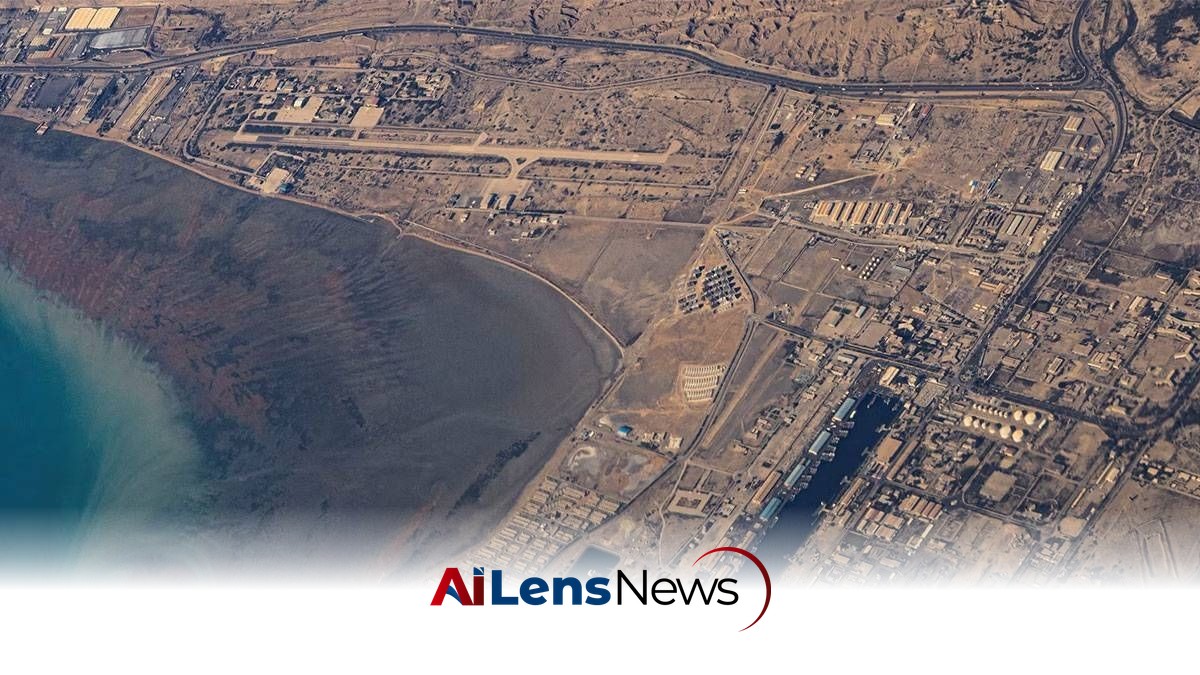


Iran has reported advancements in discussions with Oman regarding the management of the strategic Strait of Hormuz, vital for oil and gas trade.
Doha, Qatar Jul 26, 2026 ALN: The Strait of Hormuz is a narrow passage that connects the Persian Gulf to the Gulf of Oman, and it is one of the most strategically significant waterways in the world. Approximately 20% of the global oil trade passes through this strait, making it a vital artery for energy supplies not only for the countries in the region but also for economies worldwide. Given its importance, the management and security of the strait have been a focal point of geopolitical discussions, particularly among the countries that border it, such as Iran and Oman.
Recent developments indicate that Iran and Oman have made notable progress in discussions aimed at enhancing the management of the Strait of Hormuz. On a recent Sunday, Iranian officials announced that negotiations had advanced, signaling a potential shift in the dynamics of regional cooperation. This announcement comes against a backdrop of heightened tensions in the region, particularly due to ongoing conflicts and geopolitical rivalries that have historically influenced the security and stability of the strait.
The negotiations took place in Tehran, where deputy foreign ministers from both nations engaged in discussions over two days. Esmaeil Baqaei, the spokesman for Iran's foreign ministry, characterized the talks as productive, emphasizing that they revolved around establishing "common principles and operational mechanisms" to ensure safe passage for shipping vessels traversing the strait. This focus on safety and mutual respect for sovereignty highlights the collaborative spirit that both nations are aiming to foster, despite the complex political landscape surrounding them.
The significance of these talks is amplified by the recent military actions taken by the United States against Iran, which have raised concerns about the potential for conflict in the region. The U.S. has been involved in various military operations aimed at curbing Iran's influence, particularly regarding its maritime activities in the Strait of Hormuz. In June, a memorandum of understanding was signed, which aimed to de-escalate tensions and explore pathways towards peace, albeit temporarily. However, the resumption of U.S. attacks has reignited fears of instability, making discussions between Iran and Oman even more critical.
Oman, for its part, has historically maintained a neutral stance in regional conflicts, often serving as a mediator in disputes involving its neighbors. The Sultanate has a vested interest in ensuring that the Strait of Hormuz remains a secure passage for maritime traffic, as disruptions could have significant repercussions for its economy and trade. The Omani government has been proactive in fostering diplomatic relations with both Iran and Western nations, which positions it as a key player in discussions about the strait's management.
The ongoing talks between Iran and Oman are not only about securing safe passage for shipping but also about reinforcing the sovereign rights of both nations over the strait. This aspect is particularly important for Iran, which views its control over the waterway as a matter of national pride and security. The discussions aim to balance Iran's interests with those of Oman, creating a framework that respects the rights and responsibilities of both parties.
As these negotiations continue, the implications extend beyond the immediate concerns of shipping safety. A successful agreement could lead to a more stable environment in the region, potentially reducing the likelihood of confrontations that could disrupt global oil supplies. Furthermore, it could set a precedent for future cooperation between Iran and its neighbors, fostering a climate of dialogue rather than conflict.
However, the path forward is fraught with challenges. The broader geopolitical context, including U.S.-Iran relations and the ongoing tensions with Gulf Arab states, complicates the situation. Any agreement reached in the talks will need to navigate these complexities, ensuring that it does not provoke further tensions with external powers.
The Strait of Hormuz has been a flashpoint for international tensions for decades, often serving as a barometer for broader regional stability. The waterway has been the site of numerous confrontations, including military skirmishes and threats from various state and non-state actors. In this context, the recent discussions between Iran and Oman could be seen as a proactive measure to mitigate risks associated with these historical tensions.
Moreover, the economic implications of the Strait of Hormuz cannot be overstated. As a critical chokepoint for oil shipments, any disruption in the flow of oil through this strait could result in significant fluctuations in global oil prices, impacting economies far beyond the Middle East. This reality underscores the importance of cooperative security measures in the region.
Additionally, the role of international powers in the region adds another layer of complexity to the discussions. The United States, along with its allies, has long been concerned about Iran's influence in the Gulf region, leading to a series of sanctions and military posturing that have further strained relations. The presence of U.S. naval forces in the area is often justified by the need to ensure the freedom of navigation in the Strait of Hormuz, but it also serves to heighten tensions with Iran, which perceives such actions as provocative.
In light of these dynamics, the negotiations between Iran and Oman could represent a significant step towards establishing a framework for regional security that could alleviate some of the pressures associated with external influences. By working together to create a mutually beneficial agreement, both nations could bolster their sovereignty while addressing the broader concerns of international maritime security.
Furthermore, the potential outcomes of these talks could resonate beyond the immediate region. A successful partnership between Iran and Oman might inspire similar dialogues among other Gulf states, fostering a culture of collaboration in a region often characterized by rivalry and discord.
In conclusion, the recent progress in talks between Iran and Oman regarding the Strait of Hormuz reflects a significant step towards enhancing regional cooperation and ensuring maritime security. As both nations continue to engage in dialogue, the outcomes of these discussions will be closely watched by the international community, particularly given the strait's critical role in global energy markets. The ongoing negotiations could serve as a model for how neighboring countries can collaborate to address shared challenges while respecting each other's sovereignty and interests. Ultimately, the success of these talks may depend on the ability of both nations to navigate the intricate web of geopolitical interests that surround them, paving the way for a more stable and secure maritime environment.
To learn more about the latest developments in Culture & Society, stay updated with our exclusive reports and analyses on AiLensNews.

