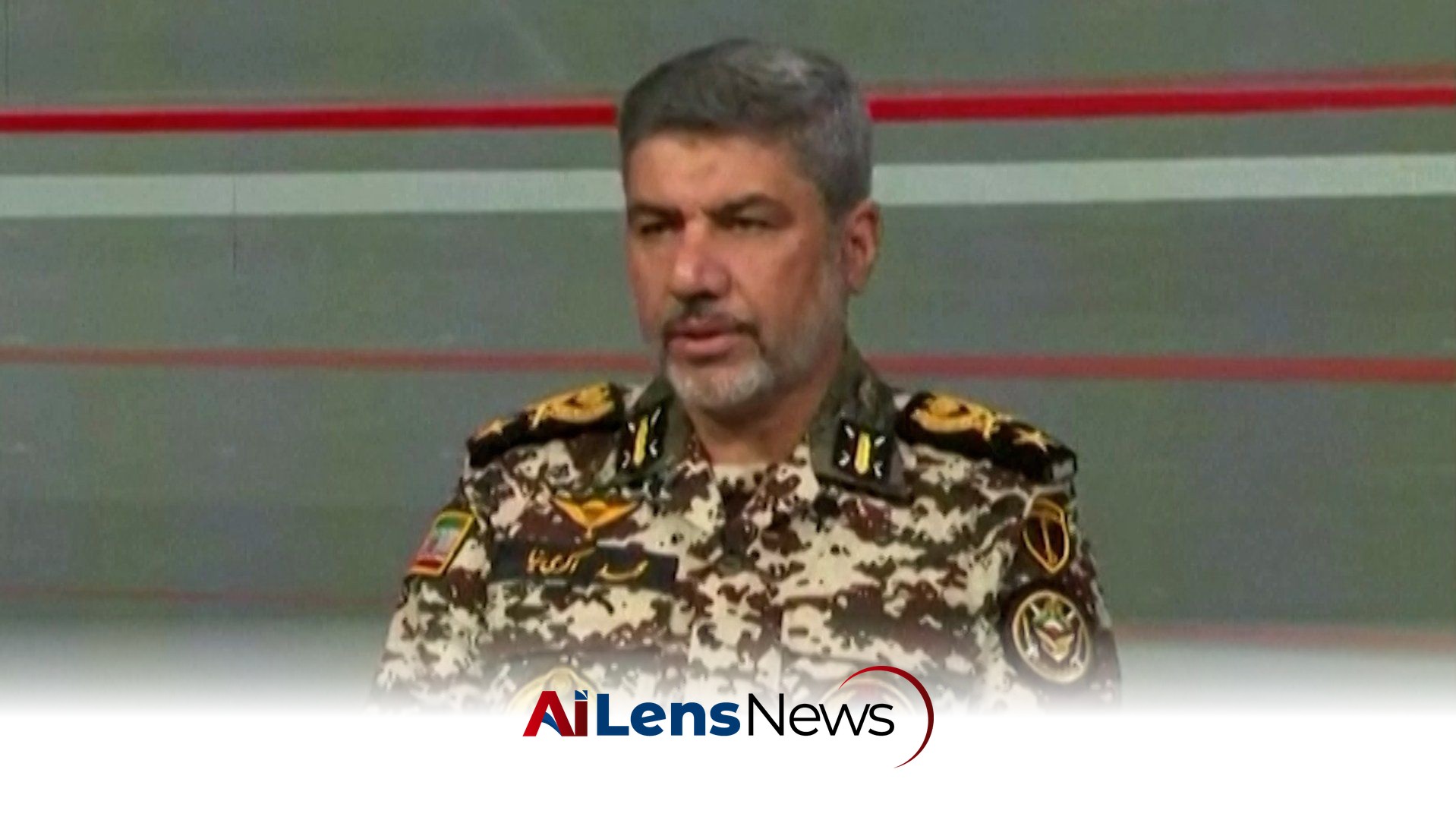


Iran has halted retaliatory operations in the Gulf but warns of potential escalation if US strikes continue, coinciding with Netanyahu's upcoming visit to Washington.
Doha, Qatar Jul 26, 2026 ALN: Iran's army has issued a stern warning ahead of Israeli Prime Minister Benjamin Netanyahu's visit to the United States, stating that while it has temporarily halted retaliatory operations in the Gulf, any continuation of US strikes could lead to an expansion of conflict across the region.
Army spokesman Mohammad Akraminia conveyed a clear message to the US, emphasizing that the current cessation of operations is not a sign of weakness but rather a strategic decision. He indicated that Iran is closely monitoring the situation and is prepared to respond if necessary. This statement reflects Iran's longstanding approach to military engagement, which often involves a calculated display of strength while simultaneously seeking to avoid direct confrontation unless provoked.
The warning comes amid heightened tensions in the Gulf, where military activities have intensified. Iran's military leadership has expressed concerns over US involvement in the region, particularly in light of recent airstrikes that have targeted Iranian interests. These airstrikes often stem from broader geopolitical conflicts, including Iran's support for proxy groups across the Middle East, which the US and its allies have sought to counteract. The Gulf region has been a focal point of these tensions, with both Iran and the US maintaining a strong military presence.
Netanyahu's visit to Washington is expected to focus on security cooperation and strategies to counter Iran's influence in the Middle East. The Israeli government has long viewed Iran as a significant threat, particularly due to its nuclear ambitions and its support for militant groups like Hezbollah in Lebanon and various factions in Syria and Iraq. This visit is likely to reinforce the strategic partnership between the US and Israel, which has been characterized by military aid, intelligence sharing, and coordinated responses to perceived threats.
However, the Iranian military's warning underscores the precarious nature of the current geopolitical landscape. The relationship between Iran and the US has been fraught with tension, particularly since the US withdrew from the Joint Comprehensive Plan of Action (JCPOA) in 2018 and reimposed sanctions on Iran. This withdrawal led to increased hostility and a series of retaliatory actions, including attacks on shipping in the Gulf and assaults on US military bases in the region. The situation is further complicated by the presence of various regional actors, each with their own interests and agendas, which can quickly escalate into broader conflict.
As the situation develops, both Iran and the US will likely be on high alert, with potential implications for regional stability. The Iranian leadership has made it clear that they will not tolerate any actions that threaten their sovereignty or security. This steadfast position is rooted in a historical context where Iran has faced external pressures and interventions, leading to a deeply ingrained narrative of resistance against foreign aggression.
The implications of Netanyahu's visit extend beyond just US-Israel relations. The dynamics of the Middle East are complex, with various alliances and enmities that can shift rapidly. For instance, Iran's relationships with countries like Russia and China have grown stronger in the face of US sanctions, leading to a more multipolar approach to regional security. The potential for increased cooperation between Iran and these powers could alter the balance of power in the region, posing new challenges for US interests.
Moreover, the broader Arab-Israeli conflict continues to influence these dynamics. The normalization agreements between Israel and several Arab states, known as the Abraham Accords, have shifted some regional alliances and have been viewed by Iran as a direct threat to its influence. As Israel seeks to strengthen its ties with Gulf states, particularly in the context of countering Iranian influence, the risk of miscalculations or unintended escalations increases.
In conclusion, the Iranian army's warning serves as a reminder of the ongoing tensions in the Gulf and the delicate balance of power in the region. With Netanyahu's visit on the horizon, the stakes are higher than ever, and the potential for escalation remains a significant concern. The international community will be watching closely, as any misstep could lead to a broader conflict that would have far-reaching consequences not only for the Middle East but also for global security. The situation underscores the importance of diplomatic efforts to de-escalate tensions and seek a path toward stability in a region that has been marred by conflict for decades.
To further understand the implications of this warning and the context surrounding Netanyahu's visit, it is essential to consider the historical backdrop of US-Iran relations. Since the 1979 Iranian Revolution, which saw the overthrow of the US-backed Shah, relations between the two countries have been characterized by mutual distrust and hostility. The US has accused Iran of sponsoring terrorism and destabilizing the region, while Iran has viewed US military presence and interventions as direct threats to its sovereignty.
The JCPOA, an agreement reached in 2015 aimed at curbing Iran's nuclear program in exchange for sanctions relief, was seen as a significant diplomatic achievement. However, the US withdrawal from the agreement in 2018 marked a turning point, leading to a series of escalating tensions. Iran responded to the reimposition of sanctions by gradually stepping back from its commitments under the JCPOA, further exacerbating the situation.
In addition to the direct US-Iran tensions, the broader geopolitical landscape has shifted dramatically in recent years. The emergence of new alliances and the changing dynamics of power in the region have added complexity to the situation. For example, the growing relationship between Iran and Russia, particularly in military cooperation and energy partnerships, has raised concerns for the US and its allies. This partnership has been seen as a counterbalance to US influence in the region, complicating efforts to isolate Iran economically and politically.
Furthermore, the situation in Syria has become a focal point for Iranian military involvement. Iran's support for the Assad regime and its backing of various militia groups have drawn the ire of Israel and the US, who view these actions as threats to regional stability. Israeli airstrikes targeting Iranian positions in Syria have become a regular occurrence, further fueling tensions and prompting warnings from Iranian officials.
As Netanyahu prepares for his visit, he is likely to emphasize the importance of continued US support for Israel in the face of perceived Iranian aggression. This includes discussions on military aid, advanced weaponry, and intelligence cooperation to counter threats from Iran and its proxies. The Israeli government has consistently portrayed Iran as an existential threat, framing its nuclear ambitions and regional activities as direct challenges to Israel's security.
In light of these developments, the Iranian military's warning serves as a critical reminder of the potential for miscalculations that could lead to broader conflict. Both sides are likely to remain vigilant, with military posturing and rhetoric intensifying as Netanyahu's visit approaches. The international community's response to these tensions will be crucial in determining whether diplomatic avenues can be pursued to mitigate the risk of escalation.
In summary, the current situation reflects a complex interplay of historical grievances, regional rivalries, and geopolitical maneuvers. As Netanyahu's visit unfolds, the implications of Iran's warning will resonate across the Middle East, highlighting the urgent need for diplomatic engagement and conflict resolution to foster stability in a region that continues to grapple with the consequences of decades of turmoil.
To learn more about the latest developments in Culture & Society, stay updated with our exclusive reports and analyses on AiLensNews.

