

At the funeral for Iran's late leader, a poet incited chants against Trump, igniting tensions amid ongoing U.S.-Iran relations.
Washington DC, United States Jul 6, 2026 ALN: A performer at the funeral for Iran's late Supreme Leader Ayatollah Ali Khamenei called for the death of U.S. President Donald Trump before a crowd of hundreds of thousands of people on Sunday, July 5, 2026, in the capital, Tehran. This event has drawn international attention, not only for the scale of the gathering but also for the incendiary rhetoric that has historically characterized Iranian political discourse, particularly in relation to the United States.
Mohammad Rasouli, a poet, incited chants of “Death to America!” and “Death to Israel!” as he addressed the crowd. He provocatively questioned, referring to Trump: “Why is the most bastard man still alive?” This inflammatory statement drew significant cheers from the audience, reflecting the prevailing sentiments of anger and resentment towards the U.S. administration among many Iranians. Such expressions are not new; they are part of a longstanding tradition in Iranian political culture, especially during public gatherings that honor national figures or commemorate significant events.
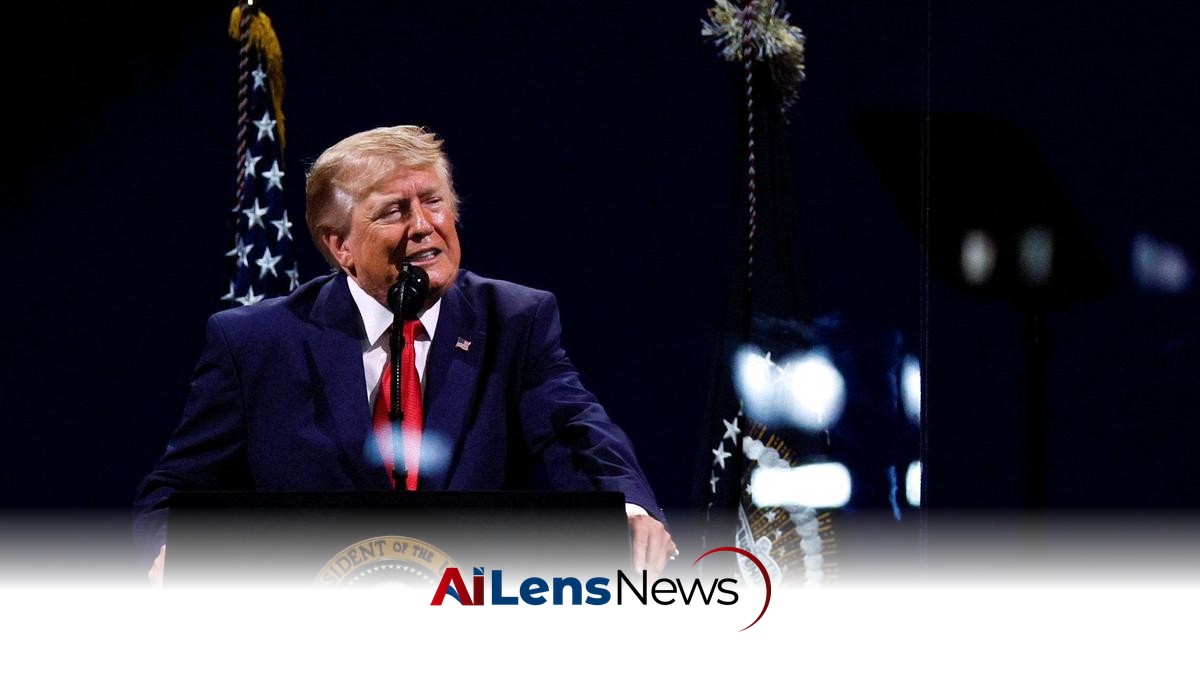
A larger crowd attended the funeral compared to the previous day, with mourners dressed in black marching to the site, carrying banners and flags honoring Khamenei while also calling for President Trump's death. The heightened attendance underscores the emotional weight of the occasion, as Khamenei had been a central figure in Iran's political landscape for decades. This occurred as Trump delivered a speech in Washington for the 250th anniversary of the founding of the United States, illustrating the stark contrast in the political atmospheres of the two nations at this moment.
Funeral Context
The funeral for Khamenei, who ruled Iran for decades before he was killed at age 86 in a February 28 airstrike during the opening moments of the Iran war, could strengthen the country's theocracy and its new supreme leader, his son Ayatollah Mojtaba Khamenei. The transition of power within Iran's theocratic system is crucial, as it may determine the future direction of the country’s domestic and foreign policies. The younger Khamenei's ascension could lead to a continuation of his father's hardline stance against the West, particularly the United States, which has been a focal point of Iranian animosity since the 1979 Islamic Revolution.
The ceremony was marked by a significant display of public mourning, with authorities expecting grand processions to attract millions before the burial next week. The atmosphere was charged, reflecting the ongoing tensions between Iran and the U.S., particularly in light of recent military actions that have escalated since the onset of the Iran war. The war, which has seen significant casualties and destruction, has further polarized public sentiment and solidified anti-American sentiment among many Iranians.
As the funeral unfolded, the calls for revenge against Trump and the U.S. echoed throughout the venue, highlighting the deep-seated animosity that persists in U.S.-Iran relations. This animosity is rooted in a complex history of conflict, including the 1953 coup orchestrated by the CIA, the 1979 hostage crisis, and subsequent sanctions and military confrontations. The event served as a reminder of the geopolitical stakes involved, especially regarding Iran's strategic position in the Strait of Hormuz, through which a significant portion of the 's oil supply passes. Any instability in this region can have far-reaching effects on global energy markets and international relations.
Security and Attendance
Strict security measures were in place, with no vehicles permitted within a kilometer of the funeral site. Mourners waited patiently to pay their respects, while volunteers prepared food distribution booths for visitors near the Imam Khomeini Grand Mosalla. The presence of security forces reflects the Iranian government's concern over potential unrest, particularly given the charged atmosphere surrounding Khamenei's death and the ongoing war. The state has historically utilized such events to rally public support and reinforce nationalistic sentiments.
Top Iranian officials, including President Masoud Pezeshkian and Parliament Speaker Mohammad Baqer Ghalibaf, were present to pay their last respects. Their attendance underscores the political significance of the event and the need for the Iranian leadership to project unity during this transitional period. International delegates also attended the ceremony, underscoring the event's significance on the global stage. The presence of foreign dignitaries may indicate a nuanced approach by some nations towards Iran, despite the prevailing tensions.
The funeral has been delayed due to the ongoing war, with peace talks currently on hold. As Iran navigates this tumultuous period, the rhetoric surrounding Khamenei's death and the calls for vengeance against Trump signal a continuation of hostilities that could impact future diplomatic efforts. The Iranian government may leverage the emotional weight of Khamenei's death to consolidate power and rally the nation against perceived external threats.
As the nation mourns, the implications of Khamenei's death and the subsequent reactions from both domestic and international audiences will likely shape the trajectory of Iran's political landscape in the coming months. The new leadership under Ayatollah Mojtaba Khamenei will face significant challenges, including managing internal dissent, addressing economic hardships exacerbated by sanctions, and navigating a complex international landscape marked by hostility from the United States and its allies. The call for Trump's death at the funeral may serve as a rallying cry for hardliners within Iran, potentially complicating any future efforts at diplomacy or reconciliation.
The historical context of U.S.-Iran relations is essential to understanding the fervor displayed at the funeral. The long-standing enmity has roots in various incidents, including the 1953 coup that ousted Iran's democratically elected Prime Minister Mohammad Mossadegh, which has been a source of grievance for many Iranians. The subsequent support for the Shah's regime, which was perceived as oppressive and pro-Western, further fueled anti-American sentiment. The 1979 Islamic Revolution, which led to the establishment of the Islamic Republic, marked a definitive break in relations, culminating in the U.S. Embassy hostage crisis, where 52 American diplomats and citizens were held hostage for 444 days. This event solidified a narrative of U.S. aggression and interference in Iranian affairs, which continues to resonate in Iranian political discourse.
In addition to historical grievances, the impact of sanctions imposed by the U.S. following the revolution and the more recent nuclear deal negotiations have contributed to the current tensions. The withdrawal of the U.S. from the Joint Comprehensive Plan of Action (JCPOA) in 2018 and the reinstatement of sanctions have exacerbated Iran's economic struggles, leading to widespread discontent among the populace. This economic hardship has been a focal point for the Iranian government, which often seeks to channel public frustration towards external adversaries, particularly the U.S.
The calls for Trump's death, therefore, are not merely spontaneous outbursts but are indicative of a broader narrative that the Iranian leadership has cultivated over decades. The rhetoric serves to unify the population against a common enemy, reinforcing the legitimacy of the ruling regime while deflecting attention from domestic issues. In this context, the funeral for Khamenei becomes not just a moment of mourning but a platform for political expression and mobilization.
In the wake of Khamenei's death, the Iranian government may utilize the emotional gravity of the situation to consolidate power and suppress dissent. The ascension of Ayatollah Mojtaba Khamenei could herald a continuation of hardline policies, particularly as the regime seeks to portray itself as the defender of Iranian sovereignty against perceived external threats. This could lead to a further entrenchment of anti-Western sentiments and a reluctance to engage in meaningful diplomatic negotiations with the U.S. and its allies.
As the international community watches closely, the reactions from foreign governments will also play a crucial role in shaping the future of U.S.-Iran relations. The calls for vengeance against Trump may influence how other nations approach their diplomatic ties with Iran, particularly those who have historically aligned with the U.S. The potential for increased tensions in the region could have significant implications for global security, particularly in light of Iran's strategic position in the Middle East.
In conclusion, the funeral for Ayatollah Khamenei has become a focal point for expressing deep-seated grievances against the United States, encapsulating the historical and ongoing tensions between the two nations. The rhetoric surrounding the event, including calls for Trump's death, is emblematic of a broader narrative that seeks to unify the Iranian populace against perceived external threats while bolstering the legitimacy of the ruling regime. As Iran navigates this transitional period, the implications of Khamenei's death will resonate well beyond its borders, influencing both domestic politics and international relations for the foreseeable future.
To learn more about the latest developments in International Politics, stay updated with our exclusive reports and analyses on AiLensNews.

