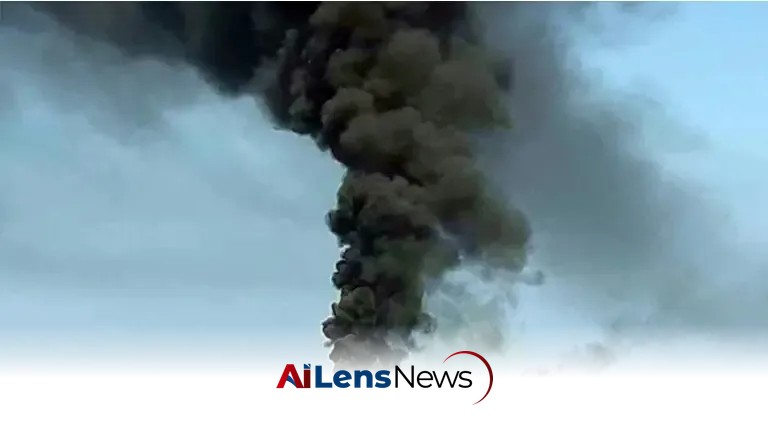



Tensions escalate in the Red Sea and Gulf of Oman as three ships are attacked, resulting in the deaths of three Pakistani nationals and others.
Islamabad, Pakistan Aug 12, 2026 ALN: In a tragic escalation of maritime violence in the Gulf waters, six individuals, including three Pakistani nationals, were killed in a series of attacks attributed to the Houthi rebels on Tuesday. The incidents occurred in the Red Sea and Gulf of Oman, regions that are critical for global energy trade, and have long been flashpoints of conflict due to geopolitical tensions involving various state and non-state actors.
The Yemen coastguard reported that the first attack targeted a Tanzania-flagged cargo vessel named the Tihamah, which was struck by Houthi missiles. This assault resulted in the deaths of four crew members, including three Pakistanis and one Indonesian. The situation worsened when the vessel was attacked again while rescue operations were underway, leading to additional casualties among the rescue personnel. The coastguard's statement indicated that ten others were injured during the strikes, highlighting the dangers faced by those attempting to assist in maritime emergencies in conflict zones.
The Bab el-Mandeb Strait, where the attacks took place, is a strategically significant waterway that connects the Red Sea to the Gulf of Aden. This narrow passage is a vital corridor for international shipping and energy transport, making it a focal point for military and naval operations. The Houthis, who control significant portions of northern Yemen, have been increasingly assertive in their maritime operations, which they claim are a response to the ongoing blockade imposed by Saudi Arabia and its allies.
The Bab el-Mandeb Strait has historically been a site of military engagement due to its strategic importance. Approximately 4% of the world's oil passes through this waterway, and it serves as a crucial link for maritime trade between Europe, Asia, and the Americas. Control over this passage is not only vital for economic reasons but also for military strategy, as it allows for the monitoring and control of naval movements in the region.
In a separate incident on the same day, the Houthi-affiliated news agency reported an attack on a Saudi vessel that was allegedly transporting military equipment in the Bab el-Mandeb Strait. While this claim has not been officially confirmed by Saudi authorities, it underscores the ongoing hostilities in the region and the Houthis' willingness to target vessels associated with their adversaries. The Saudi-led coalition has been engaged in a military campaign against the Houthis since 2015, aiming to restore the internationally recognized government of Yemen. This long-standing conflict has resulted in a humanitarian crisis, with millions of Yemenis facing food shortages and lack of access to medical care.
The recent maritime attacks are part of a broader pattern of violence that has intensified since the Houthis declared a naval blockade of Saudi Arabia last month. This blockade has been met with a strong military response from the Saudi-led coalition, which has conducted airstrikes and naval patrols in the area. The situation remains precarious, as the conflict in Yemen has already resulted in a humanitarian crisis, and the escalation of maritime attacks threatens to exacerbate the suffering of civilians caught in the crossfire.
In addition to the attacks attributed to the Houthis, another incident involving the Panama-flagged container ship Vela Nova highlights the complex security environment in the Gulf region. Reports indicate that the ship was struck by a missile fired by a US helicopter while attempting to evade a blockade aimed at Iranian-linked shipping. The US Central Command (Centcom) confirmed that it had engaged the vessel after the crew ignored multiple warnings to comply with the blockade. This incident marks the twelfth vessel that US forces have targeted since the blockade was announced in April, reflecting the heightened tensions surrounding Iran's maritime activities in the region.
The Vela Nova's recent port calls in Mumbai and Port Klang, Malaysia, where Iranian-linked vessels have also been observed, have raised concerns about the potential for illicit cargo transfers and the ongoing efforts by the US to monitor and disrupt Iranian shipping activities. The use of military force to disable the ship underscores the US commitment to enforcing its maritime strategy in the Gulf, which aims to counter Iranian influence and protect vital shipping lanes from potential threats. This military engagement illustrates the broader geopolitical struggle in the region, where various powers vie for control and influence over critical maritime routes.
The implications of these maritime attacks extend beyond immediate casualties and damage to vessels. They contribute to an atmosphere of instability in a region that is already fraught with geopolitical rivalries and conflicts. The attacks on commercial shipping can deter international trade and raise insurance costs for shipping companies operating in the area. Furthermore, they may provoke retaliatory actions from affected states, leading to a cycle of violence that could further destabilize the region.
As the situation evolves, the international community is likely to be called upon to address the rising tensions in the Gulf waters. Diplomatic efforts may be necessary to de-escalate the conflict and prevent further loss of life. The involvement of external powers, such as the United States, adds another layer of complexity to the situation, as their military presence in the region is often viewed with suspicion by local actors, including Iran and the Houthis. The potential for miscalculation or unintended escalation remains a significant concern for regional and global security.
In conclusion, the recent maritime attacks in the Gulf waters highlight the precarious security environment in a region that is vital for global trade. The loss of life among the crew members, including the three Pakistani nationals, serves as a stark reminder of the human cost of conflict. As tensions continue to rise, the need for a concerted international response to ensure the safety of maritime navigation and address the underlying causes of the conflict becomes increasingly urgent. The maritime incidents underscore the necessity for comprehensive diplomatic engagement aimed at stabilizing the region and mitigating further risks to international shipping and regional security.
To learn more about the latest developments in Culture & Society, stay updated with our exclusive reports and analyses on AILensNews.

