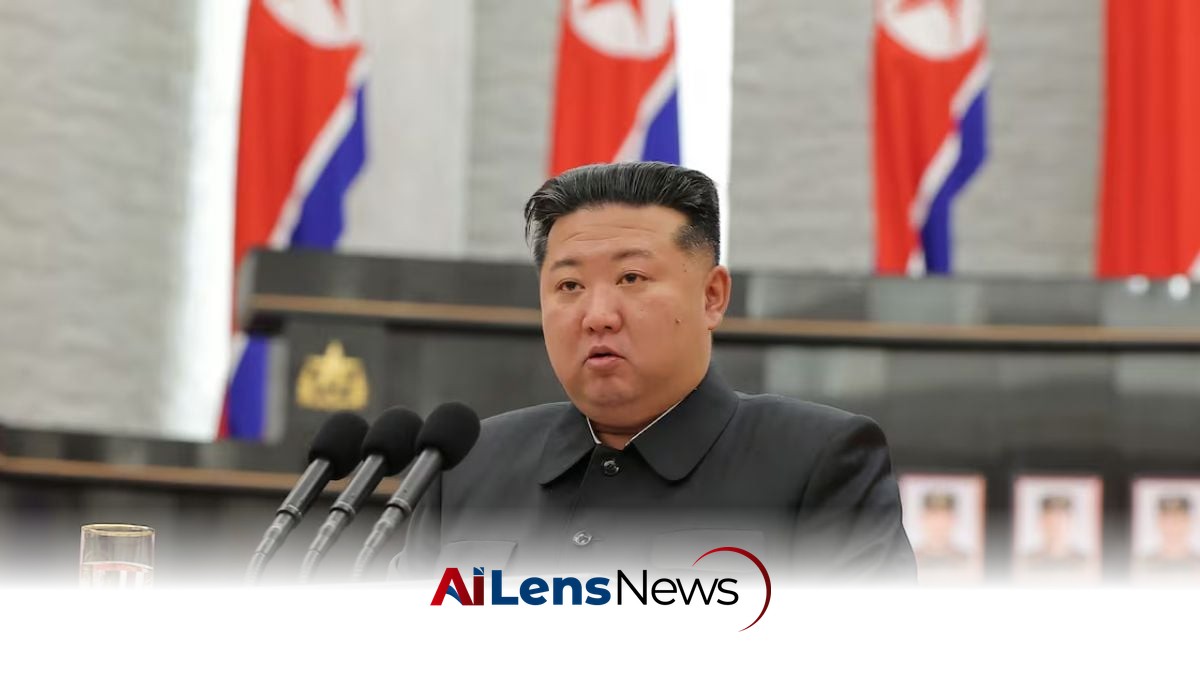


North Korea's economy expanded by 3.5% in 2025, driven by strengthened ties with Russia, according to South Korea's Bank of Korea.
Islamabad, Pakistan Jul 31, 2026 ALN: North Korea’s economy grew more than three percent for a third straight year in 2025, South Korea’s central bank estimated Friday, as Pyongyang continues to deepen economic and military ties with Russia.
The Bank of Korea (BoK) has published annual estimates of the North’s economy since 1991, based on its own intelligence and trade data because Pyongyang does not release official statistics. This lack of transparency makes it challenging for analysts and policymakers to assess the true state of the North Korean economy, which is often characterized by a mix of state control and informal markets. The reliance on informal markets has grown over the years, as the state struggles to provide for its citizens, leading to a unique economic landscape where black markets thrive alongside state-run enterprises.
The isolated North’s real gross domestic product (GDP) expanded by 3.5 percent to 38.26 trillion won (approximately $26.6 billion) last year, according to the Bank of Korea's report. This growth is notable given the country's long-standing economic challenges, including international sanctions and a lack of access to global markets. The GDP growth rate reflects resilience in certain sectors, particularly those linked to military and strategic partnerships, which have become increasingly vital for North Korea’s economy as traditional avenues for growth have been stifled by external pressures.
In recent years, North Korea has increasingly turned to Russia for economic and military support. Analysts suggest that Pyongyang has supplied troops and munitions to Moscow in exchange for critical resources, including financial aid, food, energy, and advanced military technology. This relationship has been particularly pronounced amid the ongoing conflict in Ukraine, where North Korean forces have reportedly participated alongside Russian troops. The involvement of North Korean troops in these conflicts not only serves to bolster Russia’s military efforts but also provides North Korea with a means to gain leverage and resources from Moscow, which may have been more difficult to secure through traditional diplomatic channels.
“The expansion of economic cooperation with Russia was a major driver of North Korea’s growth last year,” a BoK official told AFP. This statement highlights the strategic pivot that North Korea has taken towards Russia, especially as its traditional economic partners have become less reliable due to geopolitical tensions and sanctions. The shift towards Russia has implications not only for North Korea’s economy but also for the broader geopolitical landscape, as it signals a potential realignment of alliances in the region.
Higher weapons exports to Russia have significantly boosted related manufacturing sectors in North Korea. This has contributed to GDP growth and led to an increase in employment in these industries. Additionally, the influx of Russian tourists and expanded transport links between the two countries have further stimulated growth in construction and services sectors, which are crucial for North Korea’s economy, especially in urban areas. The growth in these sectors may also reflect efforts by the North Korean government to tap into new markets and generate foreign currency earnings, which are essential for a country facing severe international sanctions.
Reports indicate that more than 7,000 North Korean troops were killed or wounded while fighting alongside Russian forces in the Kursk region during the 2024-2025 campaign, as quoted by the Kyiv Independent. This statistic underscores the human cost of North Korea's military involvement in foreign conflicts and raises questions about the sustainability of such military engagements. The heavy toll on personnel may strain North Korea's military capabilities in the long term, even as it seeks to leverage its military resources for economic gain.
The BoK reported that North Korea’s exports rose by 30 percent last year to $470 million, driven by sectors such as “prepared feathers and wigs,” along with unspecified toys and sporting goods. Such exports, while seemingly niche, indicate a diversification of North Korea's export portfolio, which has traditionally been dominated by minerals and military goods. The growth in these sectors may also reflect efforts by the North Korean government to tap into new markets and generate foreign currency earnings, which are essential for a country facing severe international sanctions.
This economic growth estimate comes amid claims by Ukrainian rights group Truth Hounds that Russia and North Korea are close to completing their first road bridge. According to their investigation, the bridge could become a “direct artery for moving North Korean troops, construction brigades, and military officials into Russia, with Russian technology and resources flowing in the opposite direction.” The potential completion of this infrastructure project could significantly enhance military cooperation between the two nations and facilitate the movement of personnel and materials. Such developments could further entrench the military alliance between North Korea and Russia, raising alarms for neighboring countries.
The BoK official also noted that North Korea’s gross national income (GNI) received a boost from a sharp rise in foreign currency earnings linked to the deployment of its troops to Russia. GNI, which measures the total income earned by all residents, rose by 9.4 percent to 48.5 trillion won (approximately $33.8 billion) last year. Despite this growth, it still amounts to less than two percent of South Korea’s GNI, highlighting the significant economic disparity that exists between the two Koreas. This disparity underscores the challenges North Korea faces in achieving sustainable economic growth, especially in a context where its economic model is heavily reliant on military exports and foreign alliances.
The implications of North Korea's economic growth and its deepening ties with Russia are multifaceted. Economically, while the growth figures may suggest a degree of stability or recovery, they are heavily reliant on military exports and foreign support, which could be unsustainable in the long run. The North Korean economy's dependence on such narrow sectors raises concerns about its vulnerability to shifts in international relations, particularly if geopolitical tensions escalate further.
Politically, the alliance with Russia may provide North Korea with a counterbalance against Western sanctions and pressure, but it also risks further isolation from the international community. This isolation could lead to a more entrenched authoritarian regime, as the government may feel less compelled to engage with international norms or human rights standards. The potential for increased military capabilities in North Korea, facilitated by Russian technology and resources, could lead to an arms race in the region and complicate diplomatic efforts aimed at denuclearization and peace on the Korean Peninsula.
Furthermore, the military cooperation between North Korea and Russia raises concerns for regional security, particularly for South Korea and Japan, who may perceive this alliance as a direct threat. The potential for increased military capabilities in North Korea, facilitated by Russian technology and resources, could lead to an arms race in the region and complicate diplomatic efforts aimed at denuclearization and peace on the Korean Peninsula. This situation may prompt neighboring countries to bolster their own military capabilities in response, further escalating tensions.
In summary, while North Korea's economy has shown growth for the third consecutive year, this development is intertwined with its military engagements and alliances, particularly with Russia. The long-term sustainability of this growth remains uncertain, and the geopolitical implications could have far-reaching effects on regional stability and international relations. As North Korea navigates its economic landscape, the interplay between military partnerships and economic resilience will be crucial in shaping its future trajectory.
To learn more about the latest developments in Culture & Society, stay updated with our exclusive reports and analyses on AiLensNews.

