

Iran has intensified its military actions against US assets in the Gulf, warning of further attacks as the US continues its strikes in response to recent casualties.
Islamabad, Pakistan Jul 21, 2026 ALN: Iran has escalated its military operations against US assets in the Gulf region, targeting radar and air defense installations on Tuesday. This comes as tensions between the two nations have reached a new peak, with Iran warning Washington of “more decisive and powerful” attacks following a series of US military strikes aimed at degrading Iran's capabilities in the region. The ongoing conflict has significant implications not only for US-Iran relations but also for global shipping and regional stability.
The Strait of Hormuz is a critical maritime corridor, through which a significant percentage of the world’s oil supply is transported. Iran's Revolutionary Guards reported they had intercepted two oil tankers deemed non-compliant while attempting to navigate through this vital waterway. This action is part of Iran’s broader strategy to assert control over the strait amid the ongoing hostilities.
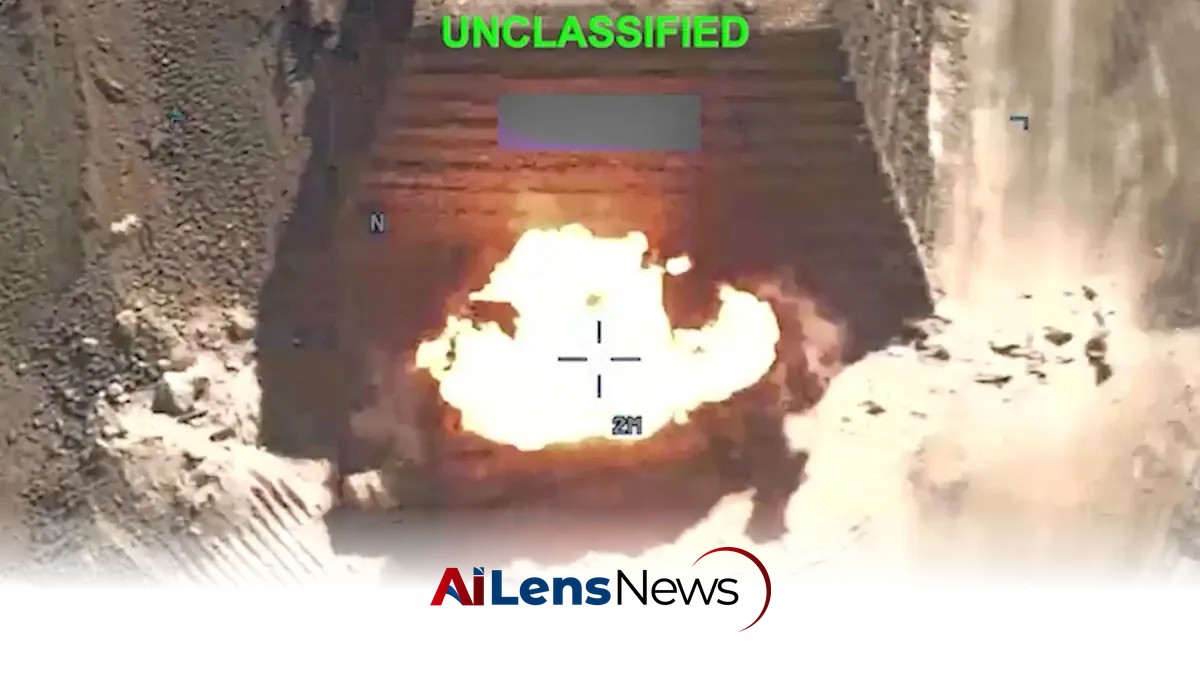
In response to the recent deaths of at least three US soldiers, the United States launched a new series of military strikes against Iranian targets late on Monday. The Pentagon stated that these operations were specifically designed to further degrade Iranian military capabilities that have been used to threaten commercial shipping in the Strait of Hormuz. The US strikes reportedly targeted Iranian military command centers, maritime capabilities, missile and drone launch sites, and air defense systems, all aimed at crippling Iran's ability to conduct further attacks on commercial vessels.
Despite the military actions, the US reassured that commercial vessel transits through the Strait of Hormuz would continue, emphasizing its commitment to ensuring the safety of maritime navigation in the region. The US military has maintained a posture that is prepared to respond to any unwarranted aggression directed at civilian mariners in the strait, reflecting the high-stakes nature of the conflict.
In a show of defiance, the Iranian army announced that it had targeted US military assets located in Kuwait and Bahrain, including radar systems and administrative buildings. The Revolutionary Guards stated that this was a part of their ongoing military campaign, warning that the US should prepare for even more significant waves of drone and missile attacks. The Guards also claimed to have targeted infrastructure belonging to Amazon in Bahrain, indicating the conflict’s potential to spill over into the commercial sector and affect international businesses.
US President Donald Trump issued a stern warning that Iran would face severe consequences for the loss of American lives, stating that Tehran would pay “many times over” for every soldier killed. Meanwhile, Iranian President Masoud Pezeshkian characterized the situation as a “full-scale war,” reflecting the heightened rhetoric and the seriousness of the ongoing conflict.
As the situation unfolds, the Pentagon reported that nearly 100 US servicemembers have sustained injuries since July 7, primarily minor concussions, signaling the intensity of the engagements in the region. The conflict has not only resulted in military casualties but has also raised concerns about the safety of maritime routes that are essential for global trade.
Amid the military escalation, diplomatic channels remain open. Iranian foreign ministry spokesman Esmaeil Baqaei indicated that negotiations with the US were ongoing through mediators, suggesting a potential avenue for de-escalation despite the heightened military tensions. Iranian Interior Minister Eskandar Momeni's visit to Islamabad for discussions with Pakistani leadership further underscores the regional dynamics at play, as Iran seeks to strengthen alliances amid the conflict.
In a related diplomatic development, Lebanese President Joseph Aoun is scheduled to meet with President Trump in Washington. This meeting comes at a time when pressure is mounting on Beirut to disarm Hezbollah, which is a key condition for Israel's withdrawal from southern Lebanon. The intertwining of regional conflicts and diplomatic efforts highlights the complexity of the situation in the Middle East.
In a related development, Yemen's Houthi rebels have declared a maritime embargo on Saudi Arabia, further complicating the regional security landscape. Houthi military spokesman Yahya Saree announced the embargo as a retaliatory measure against Saudi actions, framing it as an “eye-for-an-eye” response. This move could significantly impact Saudi Arabia's economy by restricting access to its Red Sea ports, which are vital for oil exports, especially as tensions in the Strait of Hormuz continue to escalate.
The Houthis have previously attempted to disrupt shipping through the Red Sea, leveraging the Bab al-Mandab Strait, a critical chokepoint for vessels traveling to and from the Suez Canal. Their recent announcement follows an exchange of fire with Saudi forces, marking the first direct clashes between the two sides in several years. This escalation could lead to further instability in the region and disrupt global oil markets, given that Saudi Arabia is a leading crude exporter, producing over 10 million barrels per day.
Saudi Arabia's foreign ministry condemned the Houthi maritime blockade, reaffirming its support for Yemen’s Aden-based government. The blockade, if effectively enforced, poses a significant threat not only to Saudi economic interests but also to global energy markets that rely heavily on Saudi oil. The interconnectedness of these conflicts illustrates how regional tensions can have far-reaching implications for international trade and security.
As the situation continues to evolve, the potential for further military confrontations remains high. Both US and Iranian forces are on high alert, and the possibility of miscalculations leading to broader conflict cannot be overlooked. The international community is closely monitoring developments, as the stakes are high not only for the countries directly involved but also for global peace and stability.
To learn more about the latest developments in Culture & Society, stay updated with our exclusive reports and analyses on AiLensNews.

