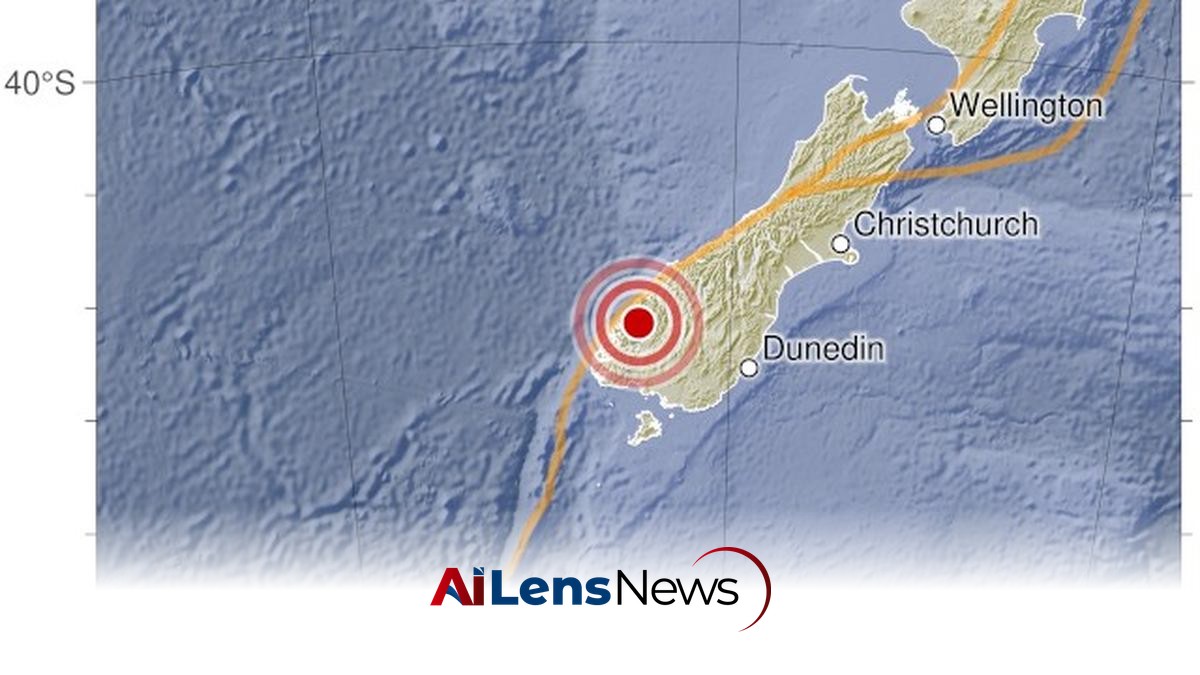


After a 5.9-magnitude earthquake, New Zealand authorities downgraded the tsunami warning, advising caution near the shore.
Wellington, New Zealand Jul 17, 2026 ALN: New Zealand authorities lifted a tsunami alert on Thursday following a 5.9-magnitude earthquake that struck off the western coast of the South Island. The National Emergency Management Agency (NEMA) confirmed that the advisory had been downgraded, noting that the earthquake's magnitude was smaller than initially estimated. This decision came after the agency had previously warned residents in affected areas to evacuate immediately to high ground due to the potential for tsunami waves, which are often a concern following significant seismic events.
The earthquake, which was reported to be 76 kilometers deep, occurred approximately 83 kilometers west of Queenstown, a popular tourist destination known for its stunning landscapes and outdoor activities. The US Geological Survey (USGS) provided this information, which is crucial for understanding the earthquake's impact and potential risks. Seismologists often analyze the depth and location of earthquakes to assess the likelihood of aftershocks and the potential for tsunami generation.
In light of the new assessment, NEMA advised the public to remain vigilant for "strong and unusual currents" along the shore, which can occur following seismic events even when a tsunami is not expected. Such currents can pose a significant risk to swimmers and beachgoers, highlighting the need for ongoing public awareness in the aftermath of earthquakes.
In the immediate aftermath of the quake, authorities took precautionary measures, particularly in areas like Milford Sound, where residents and visitors were urged to evacuate to higher ground. This region, renowned for its breathtaking fjords and natural beauty, attracts thousands of tourists each year, making prompt communication and action critical in ensuring public safety. The swift response from emergency services reflects New Zealand's commitment to disaster preparedness, a necessity in a country frequently affected by natural disasters.
Eyewitness accounts from locals further illustrate the intensity of the quake. A hotel manager in the nearby town of Te Anau described the experience, stating, "I could hear it coming first. The shaking was very severe. I thought it was the big one we’ve been told is coming." This sentiment reflects a common concern among residents of New Zealand, who are acutely aware of the seismic risks in the region. The fear of a larger earthquake, often referred to as "the big one," is a pervasive anxiety among those living in earthquake-prone areas.
As of Thursday night, no damage had been reported, which is a relief given the potential for destruction associated with earthquakes of this magnitude. New Zealand's stringent building codes and preparedness measures likely played a role in minimizing any immediate impact. The country is situated along the boundary where the Australian and Pacific tectonic plates converge, making it particularly susceptible to earthquakes and volcanic activity. This geological setting has shaped not only the physical landscape of New Zealand but also its cultural and historical narrative, influencing everything from architecture to local folklore.
In a broader context, seismic activity is a part of life in New Zealand. The country has experienced numerous significant earthquakes throughout its history. One of the most devastating was the 6.3-magnitude earthquake that struck the city of Christchurch in February 2011, resulting in the tragic loss of 185 lives and extensive damage to infrastructure. This event remains a poignant reminder of the risks associated with living in an earthquake-prone region and has led to ongoing discussions about disaster preparedness and community resilience. The Christchurch earthquake prompted widespread changes in building regulations and emergency response strategies, aiming to enhance safety in future seismic events.
On the same day as the 5.9-magnitude quake in the South Island, a smaller 5.0-magnitude earthquake was also recorded off the North Island. Such occurrences highlight the active seismic nature of the country, where tremors can be felt regularly. While many of these earthquakes are minor and go unnoticed by the general population, the potential for larger, more destructive events remains a constant concern for both residents and authorities. The frequency of seismic activity serves as a reminder of the need for continuous monitoring and research in the field of geology.
The New Zealand government has invested significant resources into earthquake preparedness and response strategies. This includes public education campaigns aimed at informing citizens about what to do in the event of an earthquake, as well as regular drills and community engagement initiatives. The emphasis on preparedness is crucial, particularly in light of the country's history with catastrophic earthquakes. Schools and workplaces often conduct earthquake drills, and families are encouraged to have emergency plans and supplies ready.
Furthermore, the geological features of New Zealand, including its mountainous terrain and coastal regions, pose unique challenges for emergency response teams. In the event of a significant earthquake or tsunami, access to certain areas can be hindered, complicating rescue efforts and the delivery of aid. This reality underscores the importance of having robust emergency management systems in place, which can adapt to the specific needs of different regions. The diverse geography of New Zealand requires tailored approaches to disaster response, ensuring that all communities, including those in remote areas, are adequately prepared.
In conclusion, while the recent 5.9-magnitude earthquake prompted initial fears of a tsunami and potential devastation, the quick response by New Zealand authorities and the lack of reported damage highlight the effectiveness of the country's emergency preparedness. As New Zealand continues to navigate its seismic landscape, the lessons learned from past events will undoubtedly shape future approaches to disaster management and community resilience. Residents remain vigilant, aware that living in such a geologically active region requires constant readiness and adaptability. The ongoing commitment to education, infrastructure improvement, and community engagement will be essential in ensuring safety in the face of future seismic threats.
To learn more about the latest developments in Regions & Countries, stay updated with our exclusive reports and analyses on AiLensNews.

