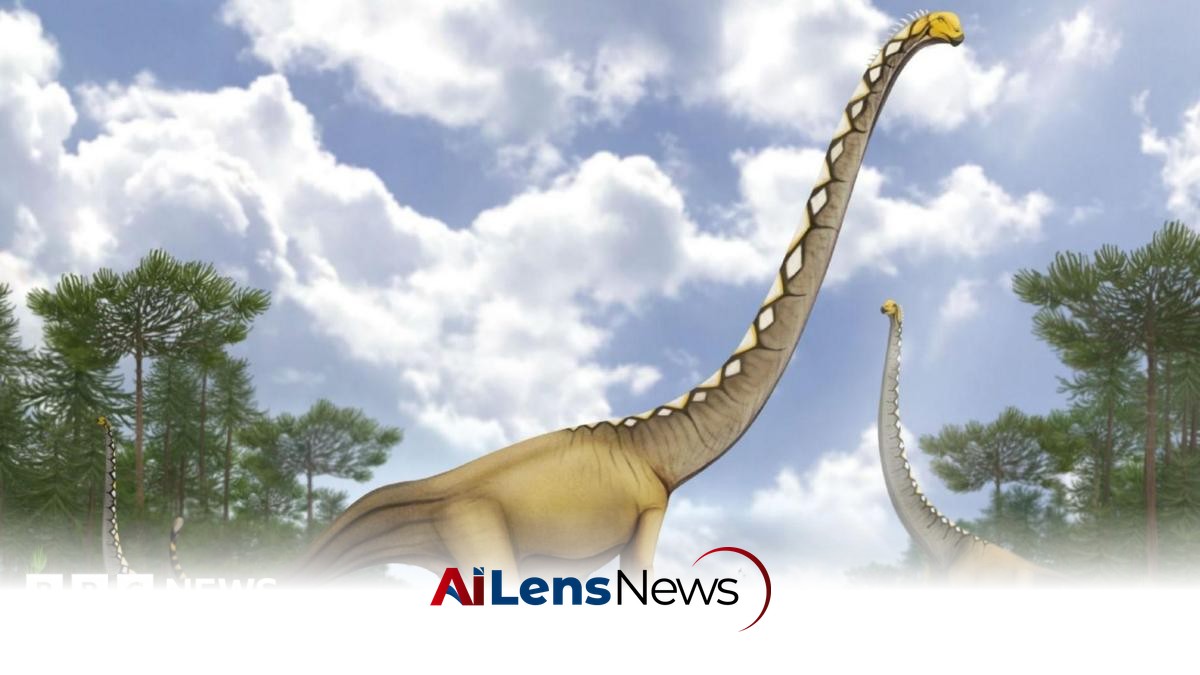


Palaeontologists in Thailand have identified a new dinosaur species, Uragasaurus kalasinensis, believed to have lived 150 million years ago, featuring an exceptionally long neck.
New Delhi, India Jul 11, 2026 ALN: Palaeontologists in Thailand have announced the discovery of a new species of dinosaur based on fossils found in the Kalasin Province, located in the country's north-east. This significant find adds to the growing body of knowledge regarding the diverse range of dinosaur species that once roamed the Earth during the Mesozoic era.
The newly identified plant-eating dinosaur has been named Uragasaurus kalasinensis, and it is believed to have existed approximately 150 million years ago during the Late Jurassic period. This era is known for its rich diversity of dinosaur species, many of which were large herbivores that adapted to their environments in fascinating ways. The Late Jurassic period, spanning from about 163 million to 145 million years ago, was a time when dinosaurs were the dominant terrestrial vertebrates, and their evolution was characterized by significant diversification and specialization.
One of the most striking features of Uragasaurus kalasinensis is its extraordinarily long neck, which measured up to 20 meters (66 feet), a length comparable to that of a standard cricket pitch. This remarkable anatomical characteristic is indicative of the sauropod group of dinosaurs, which are renowned for their elongated necks and massive bodies. Sauropods, which include some of the largest land animals to have ever existed, are known for their unique feeding strategies, which allowed them to thrive in various ecosystems by accessing food sources that were out of reach for other herbivorous dinosaurs.
Dr. Apirat Nilphanaphan, the lead author of the study from Thailand's Mahasarakham University, explained that the fossil specimen was part of a larger collection unearthed from a site first identified in 2008. The site, known as Phu Noi, gained attention when a local resident discovered fragments that resembled serpent scales. This initial finding led to further excavations that yielded a diverse array of fossils from the Late Jurassic period, with over 90% of the excavated material consisting of dinosaur fragments. The Phu Noi site has proven to be a treasure trove for paleontologists, revealing not only dinosaur remains but also a wealth of other prehistoric fauna and flora, which together paint a more comprehensive picture of the ecosystem at that time.
Upon further exploration of the site, the survey team uncovered additional fossils, including dinosaur teeth and various bones. However, the pivotal fossil that led to the identification of the new species was a dorsal vertebra, which is a bone located in the middle or upper back. The unique features of this vertebra set it apart from other known species and provided crucial evidence for its classification. Dorsal vertebrae are critical in understanding the anatomy and evolutionary relationships of dinosaurs, as they can reveal information about the size, posture, and even the movement of these ancient creatures.
A CT scan of the vertebra revealed that Uragasaurus kalasinensis belonged to the Mamenchisauridae family of sauropod dinosaurs. This family is characterized by their exceptionally long necks, which likely allowed them to reach vegetation at varying heights, thus enabling them to exploit different ecological niches. The long necks of these dinosaurs were an evolutionary adaptation that facilitated their feeding strategies, allowing them to browse on leaves and foliage that other herbivores could not access. This adaptation not only provided a competitive advantage in their habitats but also played a role in the overall ecology of the Mesozoic era, influencing plant evolution and the dynamics of herbivore populations.
While many fossils from the Mamenchisauridae family have predominantly been found in China, the discovery of Uragasaurus kalasinensis marks a significant milestone as it represents the first of its kind to be identified in Thailand. This finding not only enhances the understanding of the geographical distribution of sauropods but also emphasizes the paleontological richness of Southeast Asia. The discovery of this new species contributes to a broader understanding of how different regions of the were inhabited by various dinosaur species, and it raises questions about the migration patterns and environmental factors that influenced their distribution.
In addition to its classification within the Mamenchisauridae family, the CT scan revealed unique characteristics of the vertebra, including a Y-shaped arrangement of supporting bones known as laminae. Dr. Nilphanaphan noted that these features, particularly the distinctive air-cavity structure, were unlike any other dinosaur previously documented, which underscores the uniqueness of this new species. The excitement of the discovery was palpable, as Dr. Nilphanaphan expressed his exhilaration and relief upon realizing they had identified a new species, an achievement that is a culmination of years of research and exploration. The identification of Uragasaurus kalasinensis not only adds to the diversity of known dinosaurs but also highlights the potential for future discoveries in underexplored regions.
The study detailing this discovery was published in the prestigious scientific journal Nature, further solidifying its significance within the scientific community. The publication of such findings contributes to the ongoing dialogue surrounding paleontology and the evolutionary history of dinosaurs. Scientific journals like Nature serve as critical platforms for disseminating new knowledge and fostering collaboration among researchers, which is essential for advancing the field of paleontology.
This discovery comes on the heels of another notable find in Thailand, where scientists identified a different type of long-necked herbivore dinosaur known as the nagatitan. The nagatitan has been recognized as the largest dinosaur ever found in Southeast Asia, weighing approximately 27 tonnes—equivalent to the weight of nine adult Asian elephants—and measuring an impressive 27 meters (88 feet) in length. Such discoveries highlight the rich fossil record present in the region and the potential for further significant paleontological findings. The presence of multiple large sauropods in Southeast Asia suggests that this area may have been an important habitat for these massive creatures during the Jurassic period, providing insights into the ecological conditions that supported their growth and development.
The implications of these discoveries extend beyond mere classification; they provide insight into the ecological dynamics of the Jurassic period, the evolutionary adaptations of dinosaurs, and the geographical distribution of various species. As research continues, it is likely that more fossils will be unearthed, offering further revelations about the prehistoric and the diverse life forms that inhabited it. Each new discovery helps to fill in the gaps in our understanding of the past and can lead to new hypotheses about how dinosaurs interacted with their environment and with each other.
In conclusion, the discovery of Uragasaurus kalasinensis is a remarkable addition to the field of paleontology, particularly in the context of Southeast Asia. It underscores the importance of continued exploration and excavation in regions that may hold untapped fossil resources. As researchers delve deeper into the fossil record, they may uncover even more species that can illuminate the evolutionary history of dinosaurs and their adaptations to the changing environments of the Earth during the Mesozoic era. The ongoing research efforts in Thailand and similar regions are essential for enhancing our understanding of the diverse and dynamic ecosystems that existed millions of years ago, and they pave the way for future discoveries that may reshape our knowledge of dinosaur evolution.
To learn more about the latest developments in Culture & Society, stay updated with our exclusive reports and analyses on AiLensNews.

