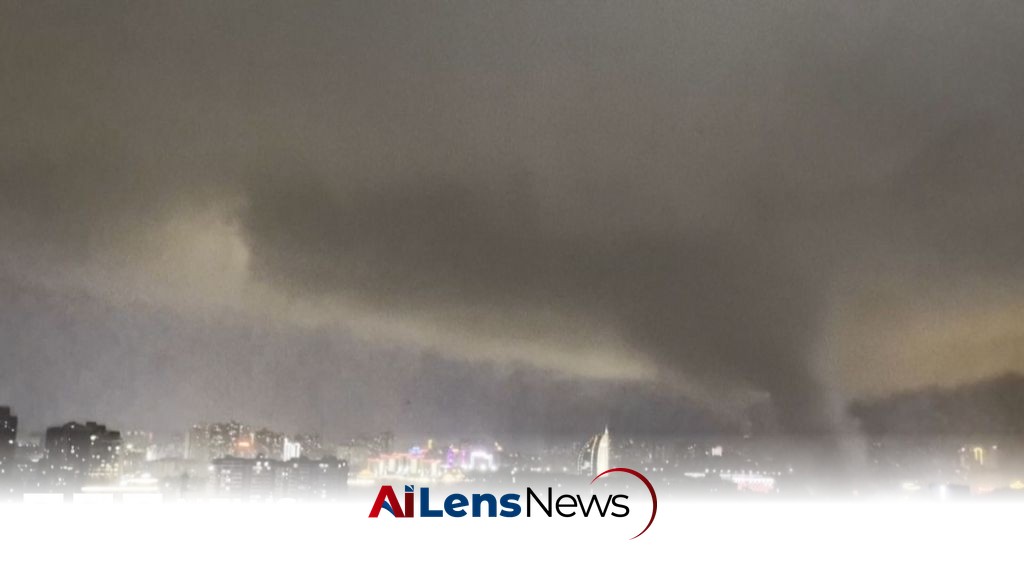


Severe thunderstorms and a rare tornado have caused significant destruction in Hubei province, resulting in at least 11 fatalities and over 300 injuries.
New Delhi, India Jul 7, 2026 ALN: Severe thunderstorms have swept through central China’s Hubei province, resulting in a rare tornado that has left at least 11 people dead and more than 300 injured, according to state media reports. The tornado struck the cities of Ezhou and Huanggang, causing widespread damage and prompting local authorities to initiate rescue and relief operations.
The tornado, classified as a rare meteorological event for this region, has drawn attention not only for its destructive capabilities but also for its unusual occurrence in an area that typically does not experience such severe weather phenomena. Tornadoes are more commonly associated with the eastern and southern parts of the United States, particularly in areas known as "Tornado Alley." However, China has its own history of tornado occurrences, albeit much less frequent, with the last significant tornado reported in 2021. The rarity of tornadoes in Hubei province raises questions about the changing patterns of weather in the region and the broader implications of climate change.
Videos circulating online depict the tornado's ferocity, with debris flying through the air as it tore through urban areas. Eyewitness accounts provide a harrowing glimpse into the chaos that unfolded. A student from Huanggang recounted the terrifying moment, stating he initially thought it was just an ordinary thunderstorm until he witnessed objects being hurled outside his dormitory window. He described the chaos, saying, "A lot of students were cut by flying glass. It wasn't until everything had finally stopped that I realized I had just lived through a disaster." Such personal accounts highlight the psychological impact of such extreme weather events on individuals, particularly students and residents who may not have been prepared for such a disaster. The emotional toll of experiencing a tornado can be profound, leading to anxiety and post-traumatic stress for those directly affected.
The aftermath of the tornado has left a trail of destruction, with significant structural damage reported across both cities. Thousands of buildings have been affected, including residential homes, schools, and businesses. The local infrastructure has also suffered, complicating rescue efforts and the delivery of essential services. Local authorities are working diligently to assess the damage and provide assistance to those impacted. Emergency response teams have been deployed to the affected areas, and assessments are ongoing to determine the full extent of the destruction. The scale of the damage has prompted discussions about the need for improved building codes and infrastructure resilience in the face of increasingly severe weather events.
In addition to physical damage, the tornado has raised concerns about the safety of residents in the region. As rescue efforts continue, the community is coming together to support those in need. Emergency services are on the ground, providing medical assistance and shelter to the displaced. The local government has urged residents to remain vigilant as weather conditions may continue to pose risks. Meteorologists have warned that the atmospheric conditions that led to the tornado could still linger, potentially resulting in further severe weather events. This situation underscores the importance of timely weather forecasting and effective communication from meteorological agencies to ensure public safety during extreme weather events.
This incident underscores the growing concern regarding extreme weather events and climate change. As global temperatures continue to rise, many regions around the are experiencing more frequent and intense weather phenomena. While it is difficult to directly attribute a single tornado to climate change, scientists have noted that warmer air can hold more moisture, leading to more severe storms and potentially more tornadoes. This trend highlights the importance of preparedness and adaptation strategies for communities that may not traditionally face such weather challenges. The need for comprehensive disaster management plans that include public education about tornado safety is becoming increasingly clear.
The local government and various organizations are mobilizing resources to aid in recovery efforts. This includes setting up temporary shelters for those displaced by the tornado and providing psychological support for individuals traumatized by the event. The importance of community resilience is evident as neighbors come together to assist one another in the aftermath of the tornado. Local businesses are also stepping up, offering support and resources to those affected by the disaster. The collaborative efforts of local NGOs, government agencies, and community volunteers are crucial in the recovery phase, ensuring that affected individuals receive the assistance they need.
In summary, the rare tornado in Hubei province has caused tragic loss of life and extensive damage, highlighting the need for preparedness in the face of extreme weather events. As recovery efforts unfold, the resilience of the affected communities will be tested. The incident serves as a reminder of the unpredictability of nature and the importance of having robust emergency response plans in place. Moving forward, it will be crucial for local authorities to evaluate their disaster preparedness strategies and enhance community awareness to mitigate the impacts of future extreme weather events. The lessons learned from this disaster may inform future policies and initiatives aimed at improving disaster readiness and response capabilities across the region.
In the wake of this tornado, discussions about climate resilience and adaptation strategies are likely to gain traction. Policymakers may be prompted to invest in infrastructure improvements, including better storm drainage systems and stronger building codes designed to withstand extreme weather. Educational campaigns aimed at increasing public awareness of tornado safety and emergency preparedness are also expected to be prioritized. As communities reflect on the impact of this tornado, there may be a renewed focus on environmental sustainability and the need to address the root causes of climate change to prevent similar occurrences in the future.
To learn more about the latest developments in Climate & Environment, stay updated with our exclusive reports and analyses on AiLensNews.

