

Iran reports a quiet night amid ongoing tensions, while Qatar resumes maritime navigation. Fresh incidents in Gulf waters raise security concerns.
Kuwait City, Kuwait Jul 26, 2026 ALN: The ongoing conflict between the United States and Iran has escalated tensions in the Gulf region, particularly affecting maritime operations and security. As of July 25, recent developments indicate a temporary pause in hostilities, with Iran reporting a quiet night free of new US strikes and Qatar announcing a full resumption of maritime navigation. However, incidents in the Strait of Hormuz, the Gulf of Oman, and the Red Sea suggest that the potential for further conflict remains high.
According to Iranian Health Ministry spokesperson Hossein Kermanpour, the country experienced what he termed a "peaceful night," with no new attacks reported overnight leading into Saturday. This marked a significant moment in a conflict characterized by nightly military actions, particularly from the US Central Command. The US had been actively conducting operations for 13 consecutive nights prior to this reported lull, raising concerns about the potential for broader military engagement.
Despite the absence of new strikes, Israeli intelligence had anticipated that a major US military operation could occur overnight. However, reports indicated that President Donald Trump opted to delay any action to allow for ongoing negotiations, a decision that reflects the complex interplay of military readiness and diplomatic efforts in the region. Israeli news outlet Ynet suggested that this delay was seen as temporary, with Israeli officials expressing skepticism about the likelihood of achieving a lasting agreement between the US and Iran.
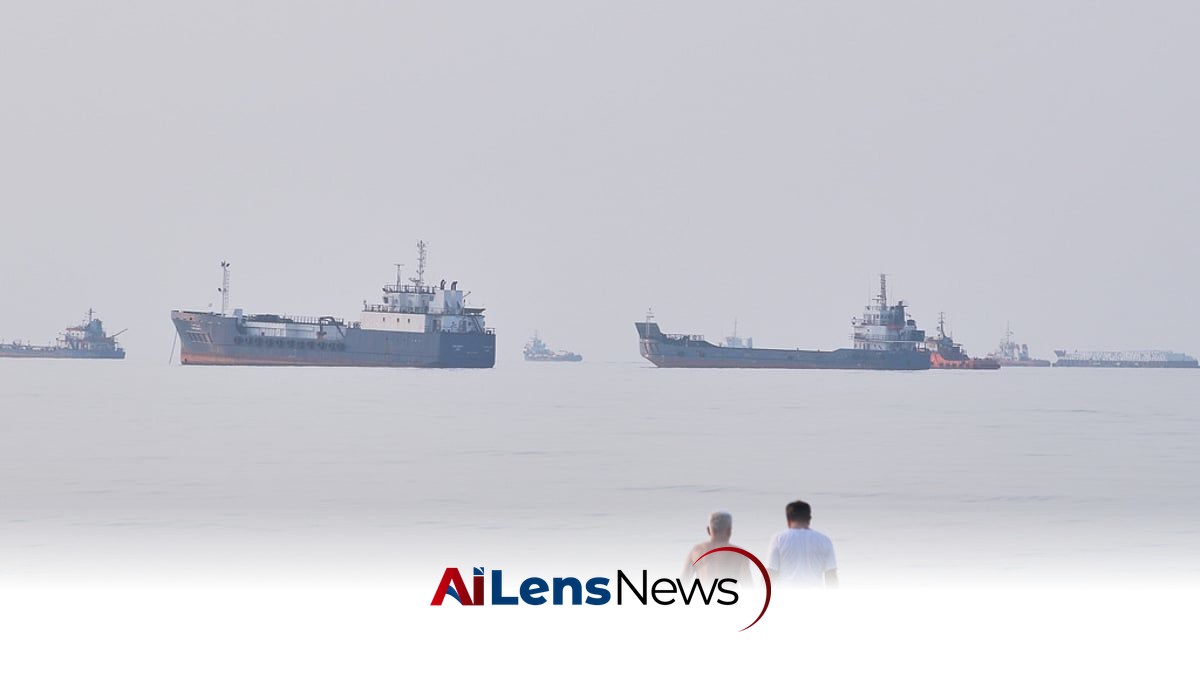
In a related development, Qatar's Ministry of Transport announced the full resumption of maritime navigation activities for all ships and vessels starting Sunday, July 26. This decision comes after a period of heightened security concerns that prompted restrictions on maritime operations in the region. The ministry urged ship operators and seafarers to adhere to maritime rules and safety protocols to ensure safe navigation in the Gulf waters.
The resumption of maritime navigation is a critical step for the region's economy, as the Gulf is a vital artery for global trade, particularly in oil and gas exports. The earlier restrictions had raised alarms about potential disruptions to shipping routes, which are essential for the economic stability of Gulf states and their trading partners.
Despite the temporary calm, maritime security remains a pressing concern. The United Kingdom Maritime Trade Operations (UKMTO) reported an incident involving a tanker and military forces in the Gulf of Oman, prompting a warning for vessels operating in the vicinity to remain vigilant. Such incidents highlight the precarious nature of maritime security in the region, where military and commercial interests often collide.
Additionally, Iran's Revolutionary Guards claimed to have intercepted four vessels attempting to transit the Strait of Hormuz, issuing warning shots to deter what they described as attempts to navigate an "illegal and unsafe" route. The veracity of these claims could not be independently verified, but they underscore the tense atmosphere in one of the world's most strategically significant waterways.
In another incident, India's Embassy in Tehran confirmed that the crew of the Mozambique-flagged LPG tanker DISHA, which came under attack in Iranian territorial waters, was safe. The embassy stated that it was in contact with relevant authorities but did not disclose the identity of those responsible for the attack. This incident adds to the growing list of maritime security challenges faced by vessels operating in the region.
The conflict in Yemen continues to complicate the security landscape in the Gulf. Reports from Yemen's state-run television indicated that airstrikes targeted Houthi missile launch sites and weapons depots in the provinces of Marib and Al-Jawf, resulting in casualties among Houthi members, including missile specialists. The identity of the forces responsible for the airstrikes was not disclosed, and there was no immediate response from Houthi officials.
In a separate development, Houthi military spokesman Yahya Saree announced that the group had launched drone and missile attacks against Saudi Aramco facilities in Jizan and Yanbu. He warned that if Saudi Arabia intensified its military operations, the Houthis would escalate their attacks further. This exchange of hostilities illustrates the ongoing volatility in Yemen, where the conflict has been exacerbated by regional rivalries and foreign interventions.
Iranian Foreign Minister Abbas Araghchi emphasized that there is "no military solution" to the conflict in Yemen, advocating for dialogue as a means to address tensions in the region, particularly concerning the Bab al-Mandab Strait, a critical maritime chokepoint. Meanwhile, Saudi coalition spokesman Major General Turki Al-Malki condemned the recent Houthi attacks on commercial vessels in the Red Sea, labeling them as reckless actions that pose a threat to one of the busiest maritime trade corridors in the world.
Amid the ongoing conflict and the impact of international sanctions, Iranian Oil Minister Mohsen Paknejad announced that the country had generated $11.5 billion from oil sales during the conflict and an additional $6.5 billion during the ceasefire period. Paknejad claimed that these revenues represented more than 60% of Iran's projected annual oil revenue, despite the challenges posed by sanctions and military engagements.
The figures provided by the Iranian government, while indicative of some level of economic resilience, cannot be independently verified and should be viewed with caution. The ability of Iran to maintain oil exports amid sanctions is a critical factor in its economic stability and has implications for global oil markets.
As the situation continues to evolve, residents of the UAE and the broader Gulf region are advised to stay informed about developments in the US-Iran conflict. The fluctuating dynamics of military engagements, diplomatic negotiations, and regional security incidents underscore the importance of vigilance in this volatile environment. The implications of these developments extend beyond immediate security concerns, impacting economic stability and international relations in the region.
To learn more about the latest developments in Culture & Society, stay updated with our exclusive reports and analyses on AiLensNews.

