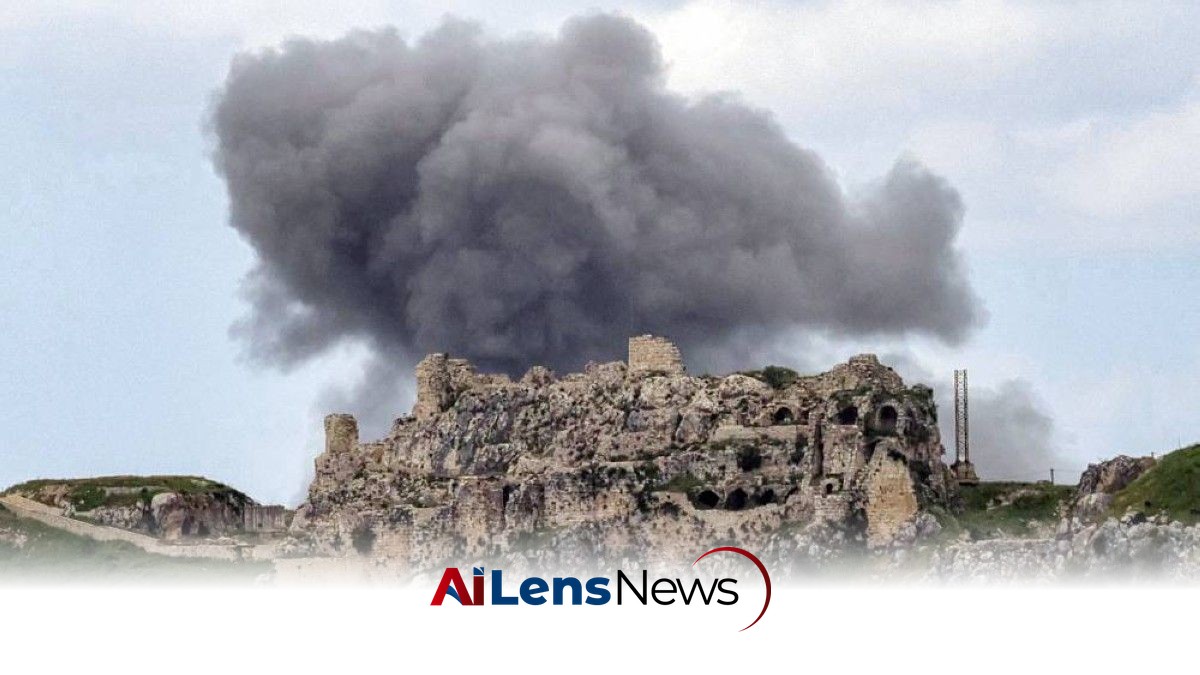


UNESCO has added Beaufort Castle in Lebanon and an archaeological site in the West Bank to its endangered heritage list due to ongoing conflict threats.
Kuwait City, Kuwait Jul 25, 2026 ALN: The UN's cultural agency on Friday placed locations including a Lebanese castle recently conquered by Zionist forces and an archaeological site in the occupied West Bank on its list of World Heritage in Danger. Beaufort Castle, a Crusader fortress also known as Qalaat al-Shakif, was captured by Israeli forces invading Lebanon in May as part of their war with militant group Hezbollah.
Beaufort Castle, which dates back to the 12th century, is one of five castles in the Jabal Amel area of southern Lebanon that have been listed together by UNESCO. This region, known for its strategic military significance during the Crusades, has a rich history that reflects the confluence of various cultures and civilizations over centuries. The mountainous area has come under repeated Israeli bombardment during the ongoing conflict, raising concerns about the preservation of its historical sites. UNESCO stated that the fortresses have sustained damage and face ongoing threats from the conflict "serious enough to justify resorting to an emergency procedure" for their protection.
Lebanese Culture Minister Ghassan Salame expressed his views on the endangered listing, calling it "a remarkable achievement in the effort to protect these important Lebanese historical landmarks." He highlighted the precarious situation of these sites, noting that only two of the castles were "within the Lebanese government's reach" and accused the Israeli forces of having already destroyed Shamaa Castle and threatening to demolish Beaufort Castle as well. Salame's remarks underscore the broader implications of military conflict on cultural heritage, emphasizing the need for international attention and intervention in preserving historical landmarks that hold significant cultural value.
The designation of Beaufort Castle as a site in danger is not merely an administrative label; it reflects the ongoing conflict's impact on cultural heritage and the urgent need for protective measures. The castle, which has served as a symbol of resilience and historical significance for the Lebanese people, is now at risk of being lost to the ravages of war. The historical narrative surrounding Beaufort Castle is intertwined with the broader story of Lebanon's tumultuous history, including the Crusades, Ottoman rule, and more recent conflicts. The castle's strategic location has long made it a target during military engagements, and its current status raises critical questions about the preservation of cultural sites in conflict zones.
In addition to Beaufort Castle, the UNESCO endangered list also includes Sebastia, an archaeological site near the West Bank city of Nablus. Sebastia is notable for its historical significance, featuring ruins from various periods, including Roman and Byzantine eras. In recent years, Israeli authorities have taken a keen interest in the site, which sits near the modern Palestinian town of Sebastia but is located in an area controlled exclusively by the Israeli government. In 2025, Israeli authorities expropriated around 200 hectares of Palestinian land near the site, justifying the action by claiming it was for preservation and development purposes.
The situation in Sebastia illustrates the complexities of land ownership and cultural heritage in the region. While Palestinians in Sebastia have developed a tourism industry based on the site's historical significance, the new Israeli plans threaten to bypass local initiatives. This includes the construction of a Zionist-only road, a fence, and the imposition of entry fees, which may restrict access for Palestinians and undermine the local economy that relies on tourism. UNESCO has stated that "the integrity of the site is currently threatened by an expropriation project aimed at subdividing the property and creating the 'Samaria' (Shomron) National Park," raising alarms about the potential erasure of Palestinian heritage in favor of exclusive Israeli development.
The tensions surrounding Sebastia are emblematic of the broader Israeli-Palestinian conflict, where historical narratives and claims to land are deeply contested. The ongoing development projects by Israeli authorities in and around Sebastia raise questions about the future of Palestinian heritage sites and the rights of local communities. The implications of these actions extend beyond the immediate area, affecting the cultural identity and historical consciousness of Palestinians and their connection to the land.
In response to the UNESCO listing, Israeli Foreign Minister Gideon Saar criticized the decision, attributing the listing to Palestinian efforts and framing it as an attempt at "erasing and denying the Jewish connection to this land." Saar's comments reflect a broader narrative often employed by Israeli officials, emphasizing the historical and religious ties of Jewish people to the land while dismissing Palestinian claims and heritage. This rhetoric highlights the ongoing tensions surrounding the narrative of history and identity in the Israeli-Palestinian conflict, where each side seeks to assert its claims and validate its historical connection to the land.
The decision to add these sites to the endangered list was made following votes by all 196 member states of UNESCO. This collective action signifies a growing international acknowledgment of the need to protect cultural heritage in conflict zones and the importance of addressing the impacts of war on historical sites. UNESCO's World Heritage in Danger list serves as a critical tool for raising awareness and mobilizing resources for the preservation of cultural heritage, particularly in areas facing threats from armed conflict or natural disasters.
The implications of this listing extend beyond the immediate preservation of the sites. It brings to the forefront the broader issues of cultural identity, historical narratives, and the politics of heritage in the context of the Israeli-Palestinian conflict. The designation may also influence international diplomatic discussions, as it underscores the need for a concerted effort to safeguard cultural heritage as part of peace-building initiatives in the region. The preservation of these sites is not just about protecting stones and ruins; it is about preserving the stories and identities of the people who have lived in these regions for centuries.
As the situation continues to evolve, the international community will be watching closely to see how these developments unfold and what measures will be taken to protect these historically significant sites. The listing by UNESCO not only highlights the fragility of cultural heritage in conflict zones but also calls for a renewed commitment to preserving the shared history of all peoples in the region, fostering dialogue and understanding amidst ongoing tensions. The future of Beaufort Castle and Sebastia remains uncertain, and their preservation will depend on the political will of both local and international stakeholders to prioritize cultural heritage in the face of conflict.
In conclusion, the UNESCO listing of Beaufort Castle and Sebastia as World Heritage in Danger serves as a poignant reminder of the intersection of culture and conflict. It highlights the urgent need for protective measures to safeguard these invaluable sites from the ravages of war and development. As the international community grapples with the complexities of the Israeli-Palestinian conflict, the preservation of cultural heritage must remain a priority, ensuring that the stories of all peoples are honored and remembered for generations to come.
To learn more about the latest developments in Culture & Society, stay updated with our exclusive reports and analyses on AiLensNews.

