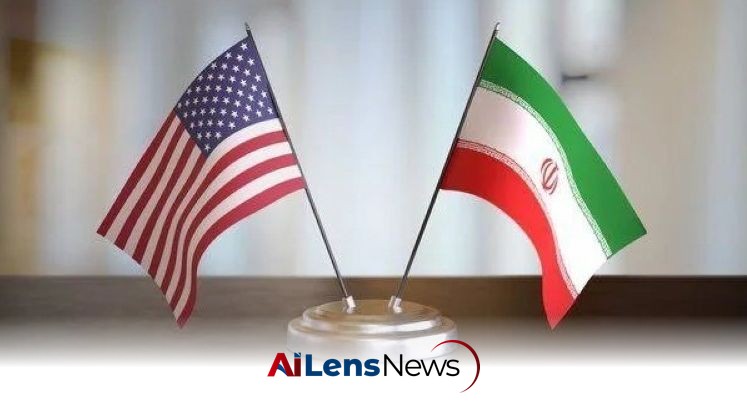


The US and Iran have entered a fragile pause in military confrontation, with Tehran announcing a halt to retaliatory attacks as diplomatic negotiations continue.
Kuwait City, Kuwait Jul 26, 2026 ALN: The recent pause in direct military confrontation between the United States and Iran marks a significant moment in a protracted and complex geopolitical conflict that has implications not only for the two nations involved but also for global energy markets and regional stability. This development comes as both nations have signaled a willingness to explore diplomatic avenues, albeit within a context fraught with historical tensions and ongoing hostilities.
Following Tehran's announcement of a halt to retaliatory attacks, the cessation of US airstrikes for the first time in nearly two weeks has created a fragile environment that could potentially lead to renewed diplomatic efforts. The absence of military action from both sides is seen as a pivotal moment, particularly given the recent escalation of tensions that had raised alarms about a broader military conflict in the Middle East.
In the backdrop of this fragile calm is the Strait of Hormuz, a critical maritime chokepoint through which approximately 20% of the world’s oil supply is transported. The strategic importance of the Strait cannot be overstated; it is a vital artery for global commerce and energy security. Disruptions in this region can lead to significant fluctuations in global oil prices, as evidenced by the recent spikes following incidents involving Iranian naval operations and attacks on commercial vessels. The ongoing negotiations mediated by Oman aim to establish mechanisms that would ensure the safe passage of ships through this narrow waterway, highlighting the urgent need for a diplomatic resolution to prevent further escalation.
Oman’s role as a mediator is particularly noteworthy given its historical position as a neutral party in regional conflicts. The Omani government has a track record of facilitating dialogue between Iran and the West, and its involvement in the current negotiations underscores the importance of diplomatic channels in addressing security concerns in the Gulf. Iranian officials have characterized the discussions as “useful,” suggesting that there may be a willingness on both sides to engage in constructive dialogue, even as the details of any potential agreements remain unclear.
While US President Donald Trump has indicated a preference for diplomacy, he has also maintained that military options remain available should negotiations falter. His statements reflect the dual approach of engaging in dialogue while simultaneously keeping pressure on Iran through sanctions and military readiness. The suspension of US airstrikes appears to be a strategic decision aimed at fostering an environment conducive to negotiations, rather than an outright abandonment of military options.
However, the broader context of regional security remains precarious. Despite the current pause in military actions, Iran’s Islamic Revolutionary Guard Corps (IRGC) continues to assert its influence over maritime operations in the Strait of Hormuz. This ongoing military presence complicates the situation and raises questions about Iran's long-term intentions in the region. Meanwhile, US naval forces remain active in the Gulf, conducting operations that serve both to deter Iranian aggression and to reassure allies in the region, particularly those who rely on the security provided by American military presence.
In addition to tensions in the Strait of Hormuz, conflicts involving Iranian proxies have escalated elsewhere in the region. The Houthi movement in Yemen, which is backed by Iran, has launched attacks on Saudi energy infrastructure in the Red Sea, prompting retaliatory strikes from Saudi forces. This development indicates that the conflict could potentially widen, creating new fronts that would further complicate efforts to achieve regional stability. The ramifications of these hostilities extend beyond immediate military concerns, impacting global energy markets and raising fears of broader regional instability.
Kuwait’s response to the situation highlights the broader regional concern about security and stability. The Kuwaiti Ministry of Foreign Affairs has condemned the Houthi attacks on commercial vessels, framing them as violations of international law and threats to global maritime navigation. Furthermore, Kuwait has sought to distance itself from allegations of involvement in US military operations against Iran, emphasizing its commitment to maintaining peace and stability in the region. This stance reflects a broader desire among Gulf states to navigate the complex landscape of US-Iran relations while safeguarding their own national interests.
As analysts observe the current pause in hostilities, there is a cautious recognition that this lull should not be mistaken for a durable peace. The underlying issues that have fueled tensions between the US and Iran remain unresolved, including disagreements over the administration of the Strait of Hormuz, the impact of sanctions on Iran’s economy, and the broader geopolitical contest between Iran and its regional adversaries. The outcome of the Oman-mediated negotiations will be critical in determining whether this pause can evolve into a more substantial diplomatic breakthrough or if it will merely represent a temporary cessation of hostilities.
The implications of these developments are significant not only for the involved parties but also for the international community. A failure to achieve a diplomatic resolution could lead to renewed hostilities, with potential spillover effects that could destabilize the entire region. Conversely, a successful negotiation process could pave the way for a new framework of engagement between the US and Iran, potentially leading to a reduction in tensions and a more stable security environment in the Gulf.
In conclusion, while the recent halt in military actions between the US and Iran offers a glimmer of hope for diplomatic progress, the path forward remains fraught with challenges. The complexities of regional politics, historical grievances, and competing national interests will continue to shape the dynamics of this critical geopolitical landscape. As the world watches closely, the coming days will be crucial in determining whether this pause can be transformed into a meaningful dialogue that addresses the underlying issues at play.
To learn more about the latest developments in Culture & Society, stay updated with our exclusive reports and analyses on AiLensNews.

