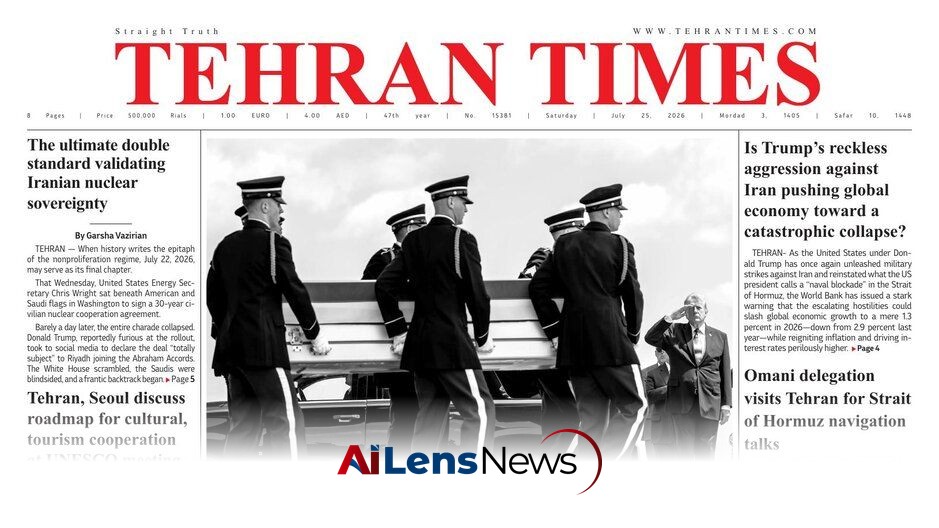



Iran's recent diplomatic efforts highlight its strategic positioning in a turbulent geopolitical landscape, focusing on cultural cooperation and energy security.
Tehran, Iran Jul 25, 2026 ALN: In a world increasingly defined by geopolitical tensions and energy crises, Iran is making significant strides in its diplomatic engagements. Recent meetings and discussions have underscored the nation's commitment to enhancing its international relations, particularly in the realms of cultural cooperation and energy security. These developments come at a time when Iran is striving to assert its influence in a complex global landscape marked by shifting alliances and economic pressures.
Diplomatic Engagements
Iran has been actively participating in international forums, showcasing its willingness to collaborate on various fronts. The recent UNESCO meeting in Tehran served as a platform for Iran to advocate for cultural cooperation among nations, emphasizing the importance of shared heritage and mutual respect. This engagement with UNESCO is particularly significant given the organization's mission to promote peace through international cooperation in education, the sciences, and culture. Iran's efforts to host such meetings signal its intent to position itself as a responsible member of the international community.
Moreover, Iran's foreign policy has been characterized by a focus on strengthening ties with neighboring countries and other strategic partners. This approach aims to bolster regional stability and enhance economic cooperation, particularly in the energy sector. By fostering relationships with countries in the Middle East, Iran seeks to create a network of alliances that can provide mutual benefits in terms of trade, security, and cultural exchange. The significance of these regional partnerships cannot be understated, as they play a crucial role in countering external pressures from global powers and sanctions.
Energy Security and Economic Cooperation
As global energy markets face unprecedented challenges, Iran's vast oil reserves position it as a critical player in ensuring energy security. The nation is exploring avenues to expand its oil exports, particularly to countries seeking alternatives amidst fluctuating prices and supply chain disruptions. Iran's oil industry has been significantly impacted by sanctions, which have limited its ability to access international markets. However, the country is now looking to engage with nations that are willing to bypass these sanctions, thus potentially revitalizing its economy.
Iran's energy strategy is not solely focused on oil; it also encompasses investments in renewable energy sources. By diversifying its energy portfolio, Iran aims to reduce its dependency on fossil fuels while contributing to global sustainability efforts. This includes initiatives to harness solar and wind energy, which not only align with global trends towards greener energy but also offer Iran an opportunity to position itself as a leader in renewable energy within the region. The country's geographical advantages, including abundant sunlight and wind resources, provide a solid foundation for developing these renewable energy projects.
Cultural Diplomacy
In addition to economic initiatives, Iran is leveraging cultural diplomacy to foster goodwill and strengthen its international image. The government has initiated various cultural exchange programs, inviting artists, scholars, and cultural representatives from around the world to engage in dialogue and collaboration. These programs are designed to promote a better understanding of Iranian culture, history, and values, which have often been overshadowed by political narratives. Through these initiatives, Iran aims to counteract the stereotypes and misconceptions that have arisen in the context of its contentious political relationships.
This cultural outreach is seen as a means to counter negative perceptions and promote a more nuanced understanding of Iranian society. By showcasing its rich history and diverse cultural heritage, Iran seeks to build bridges with other nations. Events such as art exhibitions, film festivals, and academic conferences serve as platforms for cultural exchange, allowing Iran to present its narrative on the global stage. This approach not only enhances Iran's soft power but also fosters mutual respect and understanding among different cultures, which is essential in an increasingly polarized world.
Challenges Ahead
Despite these positive developments, Iran faces significant challenges on the international stage. Ongoing sanctions and geopolitical rivalries continue to hinder its economic growth and diplomatic efforts. The nation must navigate a complex landscape of international relations while striving to assert its sovereignty and protect its interests. The impact of sanctions is particularly pronounced in sectors such as finance and trade, where restrictions have limited Iran's ability to engage fully with the global economy. The Iranian government has had to adopt creative strategies to mitigate the effects of these sanctions, including seeking alternative trading partners and developing domestic industries.
Moreover, Iran's relationships with key powers, including the United States and its regional neighbors, are fraught with tension. The nuclear agreement, known as the Joint Comprehensive Plan of Action (JCPOA), remains a contentious issue, with ongoing debates about Iran's nuclear ambitions and the implications for regional security. The breakdown of negotiations over the JCPOA has led to heightened anxieties about military confrontations and has complicated Iran's diplomatic efforts. The United States' withdrawal from the agreement in 2018 and the subsequent reinstatement of sanctions have further isolated Iran, compelling it to seek new alliances and partnerships.
As Iran continues to engage diplomatically, its ability to adapt to changing global dynamics will be crucial. The nation’s strategic positioning, coupled with its commitment to cultural cooperation and energy security, may pave the way for a more influential role in regional and global affairs. Iran's leaders are acutely aware of the need to balance their assertive foreign policy with the realities of international diplomacy, which often requires compromise and negotiation. The ongoing shifts in global power dynamics, particularly the rise of new economic powers and the reconfiguration of traditional alliances, present both opportunities and challenges for Iran.
In conclusion, Iran's recent diplomatic maneuvers reflect a proactive approach to international relations, emphasizing the importance of cultural cooperation and energy security in a rapidly changing world. The outcomes of these efforts will be closely monitored as Iran seeks to redefine its place in the global arena. The interplay of Iran's cultural diplomacy, economic initiatives, and the challenges posed by sanctions and geopolitical rivalries will shape the future of its international relations. As the global landscape continues to evolve, Iran's ability to navigate these complexities will determine its success in achieving a stable and influential position on the world stage. The implications of Iran's diplomatic strategies extend beyond its borders, potentially influencing regional stability and international energy markets, making it a critical player in the ongoing discourse surrounding global geopolitical relations.
To learn more about the latest developments in Culture & Society, stay updated with our exclusive reports and analyses on AILensNews.

