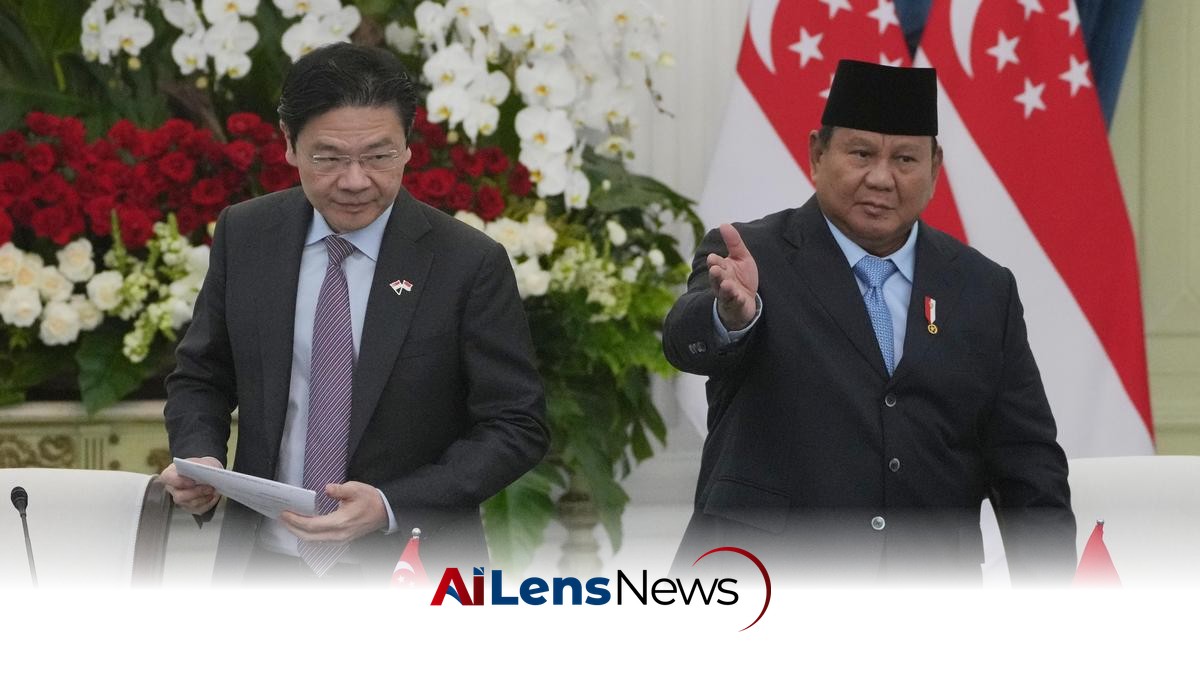


Indonesia and Singapore pledge to keep the Strait of Malacca open amid rising oil prices and regional tensions.
Singapore, Singapore Jul 8, 2026 ALN: Indonesia and Singapore reaffirmed their commitment to the accessibility of the Strait of Malacca during a meeting on Monday, July 6, 2026. This strategic waterway is recognized as a critical oil transit chokepoint in the region, particularly in light of recent geopolitical tensions and rising oil prices. The discussions took place in Jakarta between Indonesian President Prabowo Subianto and Singaporean Prime Minister Lawrence Wong, highlighting the importance of regional cooperation amid fluctuating global energy markets.
The Strait of Malacca, which is bordered by Indonesia, Malaysia, Singapore, and Thailand, holds the title of the largest oil chokepoint in terms of transit volume. According to the U.S. Energy Information Administration (EIA), over 23 million barrels of oil, which constitutes approximately 29% of total maritime oil flows, passed through this vital passage in the first half of the previous year. The strait serves as a crucial route for oil tankers and merchant vessels, facilitating international trade and energy security for numerous countries. Its significance is underscored by the fact that it is one of the most heavily trafficked maritime routes in the , with thousands of vessels passing through annually, including bulk carriers, container ships, and oil tankers.
The backdrop to this commitment stems from the ongoing conflict in West Asia, which has led to significant disruptions in oil supply chains and surging oil prices. In April, Indonesian Finance Minister Purbaya Yudhi Sadewa had floated the idea of imposing fees on vessels transiting the Strait of Malacca, a proposal that was met with considerable concern from international shipping companies and neighboring countries. The potential for such fees raised alarms about the possibility of increased costs for shipping and the risk of diverting traffic to alternative routes, which could have further implications for global oil prices and maritime security. The fear of increased shipping costs could lead to inflationary pressures in the region, affecting not only the energy sector but also the broader economy.
President Prabowo emphasized the mutual interest of Indonesia and Singapore in maintaining the Strait of Malacca as a free passageway, stating, "We will continue to coordinate with Malaysia and Thailand so that the Strait of Malacca will always be open to all, safe and accessible." This collaborative approach underscores the recognition that the stability and security of the strait are vital not only for the regional economies but also for the global economy, which heavily relies on the uninterrupted flow of energy resources. The cooperation among these nations is particularly important given the strait's role in supporting the supply chains of major economies, including those of China, Japan, and South Korea, which are heavily reliant on oil imports that transit through this waterway.
Prime Minister Wong echoed these sentiments, reaffirming Singapore and Indonesia's commitment to upholding freedom of navigation and the rights of passage as enshrined in the United Nations Convention on the Law of the Sea (UNCLOS). He stressed that the strait must remain "safe, open, and accessible to all," highlighting the importance of international law in governing maritime activities and ensuring that shipping routes remain free from undue political or economic pressures. This commitment to UNCLOS is particularly significant as it reflects a broader adherence to international norms and legal frameworks that govern maritime disputes and navigation, which are increasingly challenged in various parts of the .
The discussions between the two leaders were further contextualized by recent developments in the Strait of Hormuz, another critical chokepoint for global oil transit. On Sunday, July 5, 2026, Iran’s ambassador to China announced that ships transiting the Strait of Hormuz would be charged fees, although he indicated that "friendly" countries would receive special treatment. The Strait of Hormuz is known to carry about one-fifth of the ’s crude oil and liquefied natural gas, making any potential disruptions in this passage a significant concern for energy markets wide. The imposition of fees in the Strait of Hormuz could set a precedent that might embolden other nations to consider similar measures in their own territorial waters, raising alarms among maritime stakeholders about the future of free navigation.
Historically, the Strait of Hormuz has been a flashpoint for geopolitical tensions, particularly involving Iran and its neighbors. The strait was effectively closed by Iran during the recent West Asia conflict, leading to heightened fears about the stability of oil supplies. Although Iran lifted its blockade after reaching an initial agreement with the U.S. to pause hostilities, the ongoing negotiations for a permanent settlement of the conflict continue to create uncertainties in the region. These geopolitical dynamics not only affect oil prices but also influence the strategic calculations of countries reliant on these maritime routes for their energy security.
The implications of these developments in the Strait of Hormuz resonate across the broader Southeast Asian region, particularly for countries like Indonesia and Singapore that are heavily dependent on stable energy supplies. The potential for Iran to impose fees on vessels traversing the Strait of Hormuz raises questions about the future of maritime trade and the possibility of similar actions being taken in other critical waterways, including the Strait of Malacca. As global energy markets remain volatile, the assurance of free passage in the Strait of Malacca becomes increasingly crucial for maintaining regional economic stability and ensuring that energy prices do not spiral out of control due to supply chain disruptions.
In addition to discussions on maritime security, Prime Minister Wong also announced that Singapore is collaborating with Indonesia on a solar power project on the island of Sulawesi. This initiative highlights Indonesia’s tremendous renewable energy potential and reflects a growing trend towards sustainable energy solutions in the region. Such collaborations not only contribute to energy diversification but also align with global efforts to combat climate change and transition towards more sustainable energy sources. The partnership is indicative of a broader recognition among Southeast Asian nations of the need to invest in renewable energy infrastructure to reduce dependence on fossil fuels and enhance energy security.
As Southeast Asia grapples with the ramifications of rising oil prices and geopolitical tensions, the commitment between Indonesia and Singapore to ensure the accessibility of the Strait of Malacca serves as a crucial step in fostering regional stability and promoting economic resilience. The ongoing dialogue between these nations, along with their coordinated efforts with Malaysia and Thailand, will be essential in navigating the complexities of maritime security and energy supply in an increasingly interconnected global economy. The ability to maintain open and secure maritime routes will be pivotal in ensuring that trade flows smoothly and that the economic interests of these nations are safeguarded.
In conclusion, the reaffirmation of the Strait of Malacca's accessibility by Indonesia and Singapore is not merely a bilateral agreement; it reflects broader regional dynamics and international concerns regarding energy security, maritime law, and the implications of geopolitical developments in West Asia. The commitment to keeping this vital waterway open and safe is a testament to the importance of cooperation among nations in addressing shared challenges and ensuring the continued flow of trade and resources in an ever-evolving global landscape. As the continues to face unprecedented challenges in energy supply and geopolitical stability, the actions taken by these Southeast Asian nations will likely serve as a model for collaborative approaches to managing critical maritime routes.
To learn more about the latest developments in Diplomacy & Treaties, stay updated with our exclusive reports and analyses on AiLensNews.

