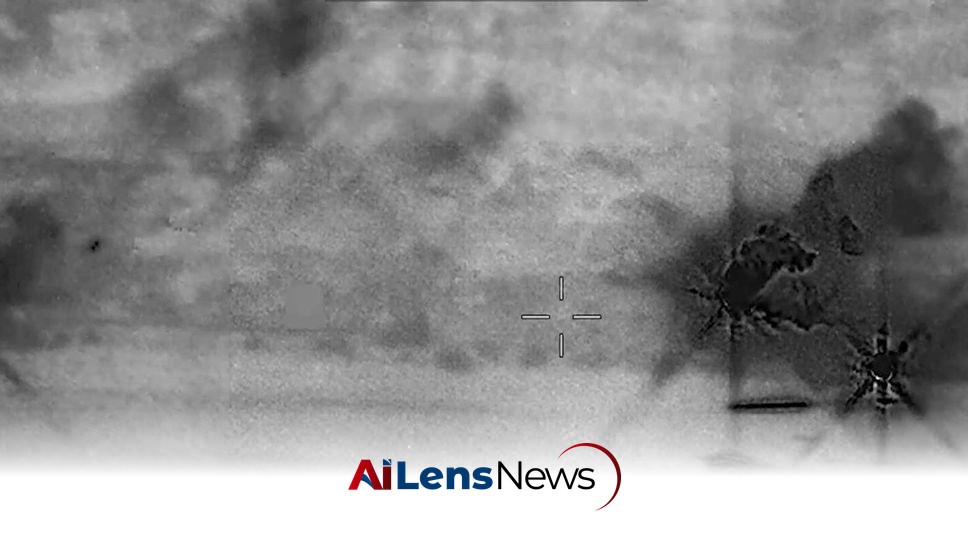


Recent US military strikes in Iran have led to significant civilian casualties and damage to infrastructure, prompting international concern.
New Delhi, India Jul 18, 2026 ALN: At least 38 people have been killed and more than 400 others injured in US strikes across several Iranian provinces, Iran's Health Ministry reported on Friday. The attacks targeted civilian infrastructure, including bridges, power facilities, and the maritime control tower at Chabahar's Shahid Kalantari Port.
According to Iranian state media Press TV, the strikes carried out from late Thursday into early Friday affected areas in Hormozgan, Bushehr, Sistan and Baluchestan, Khuzestan, and Lorestan provinces. The geographical spread of these strikes indicates a coordinated military operation that was not limited to a single region, but rather aimed to impact multiple critical areas within Iran.
Iran's Health Ministry indicated that the casualties included three women and one person below the age of 18, while 47 injured individuals remain hospitalized. This demographic detail highlights the human cost of the strikes, particularly the impact on vulnerable populations, including women and children, who often bear the brunt of military conflicts.
The maritime control tower at Shahid Kalantari Port in Chabahar was destroyed in the strikes. However, the port's berths, cargo-handling facilities, and other operational infrastructure remained intact, with no casualties reported at the site, as noted by Press TV. The significance of this port cannot be overstated, as Chabahar serves as a strategic maritime gateway for Iran, facilitating trade and access to international shipping routes, particularly in the context of sanctions and regional tensions.
US Central Command (CENTCOM) confirmed that it has "successfully destroyed" the surveillance tower at Iran's Shahid Kalantari Port, stating that the facility was part of a maritime surveillance network used by Iran's Islamic Revolutionary Guard Corps (IRGC) to monitor commercial shipping in the Gulf of Oman, particularly through the Strait of Hormuz. The Strait of Hormuz is a critical chokepoint through which a significant portion of the world's oil supply is transported, making it a focal point of geopolitical tensions involving Iran and other nations.
Iranian news agency IRNA reported that technical and operational teams began assessing the damage, securing the area, and reviewing steps to resume port activities. Cargo loading and unloading operations are expected to restart after safety checks are completed. This quick response underscores the importance of the port's operations to Iran's economy and its reliance on maritime trade.
Meanwhile, authorities in Hormozgan province reported major damage after strikes hit several locations, including six bridges in Khamir County. The Hormozgan Governor's Office stated that seven people were killed and nine others injured in the attacks. The destruction of infrastructure such as bridges can have long-lasting effects on transportation and logistics, hampering the movement of goods and services and potentially leading to economic disruptions.
Officials noted that the strikes affected transport links connecting Bandar Abbas, Bandar Khamir, and Lar, while emergency teams worked to restore movement through alternative routes, according to Press TV. This highlights the immediate logistical challenges faced by local authorities in the aftermath of the strikes, as they strive to maintain connectivity in a region that is vital for trade and transportation.
Iranian officials also reported casualties in Bandar Abbas, where one person was killed and eight others injured after a strike hit a residential area. Additionally, a railway branch station in the city was damaged, resulting in two injuries, as reported by provincial authorities. The targeting of residential areas raises serious concerns regarding civilian safety and adherence to international humanitarian law, which seeks to protect non-combatants during armed conflicts.
In Bushehr province, Governor Mohammad Mozaffari confirmed that two strikes were reported within hours, injuring one person. Such rapid succession of strikes indicates a sustained military effort by US forces, potentially aimed at overwhelming Iranian defenses and minimizing the response time of Iranian military assets.
In Khuzestan province, Deputy Governor Valiollah Hayati stated that US forces targeted areas around Ahvaz, with authorities assessing the extent of damage. Earlier reports indicated that strikes near Ahvaz forced the temporary evacuation of Shahid Baghaei Hospital, which specializes in cancer treatment. This evacuation not only compromises the healthcare of patients needing immediate medical attention but also raises ethical questions about the impact of military operations on healthcare facilities.
In western Iran's Lorestan province, Deputy Governor Saeed Pourali reported a strike in the Veysian district of Chegeni County. The targeting of multiple provinces suggests a broader strategic objective by US forces, likely aimed at undermining Iran's military capabilities across various regions.
The developments followed CENTCOM's announcement of multiple rounds of strikes against Iran, targeting military capabilities, including coastal surveillance systems, air defense sites, logistics infrastructure, and maritime assets. This indicates a shift in US military strategy, potentially moving towards a more aggressive posture in response to perceived threats from Iran, particularly in light of ongoing tensions in the region.
Iranian authorities have accused the United States of targeting civilian infrastructure, while Washington has stated that its operations aim to degrade Iranian military capabilities and respond to threats against regional security. This dichotomy in narratives reflects the broader geopolitical struggle between Iran and the United States, which has been characterized by mutual distrust, accusations, and military posturing.
Iran has also announced retaliatory strikes against US military assets in the region, claiming attacks on American positions in Bahrain, Kuwait, Syria, and Oman. Such retaliatory measures could escalate the conflict further, leading to a cycle of violence that may draw in other regional players and complicate the already tense geopolitical landscape.
The implications of these strikes extend beyond immediate casualties and infrastructure damage. They could potentially reshape the dynamics of US-Iran relations, which have been fraught with tension since the US withdrawal from the Iran nuclear deal in 2018. As both sides assess their next steps, the risk of miscalculation and further escalation remains a significant concern for regional stability.
In conclusion, the recent US strikes in Iran represent a critical juncture in the ongoing conflict between the two nations. With casualties mounting and infrastructure suffering extensive damage, the potential for retaliatory actions and further military engagements looms large. The situation warrants close monitoring, as developments unfold and the international community grapples with the implications of these actions on regional and global security.
To learn more about the latest developments in Culture & Society, stay updated with our exclusive reports and analyses on AiLensNews.

