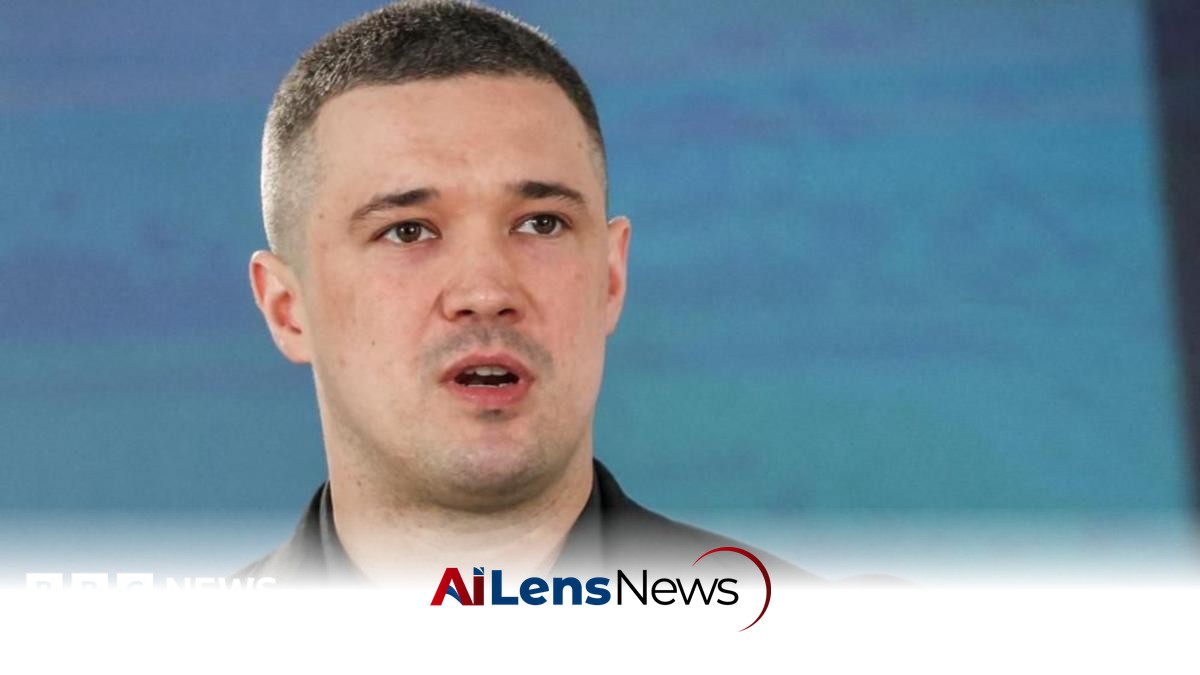


The removal of Defence Minister Mykhailo Fedorov has sparked protests and outrage among Ukrainian soldiers, who fear it undermines their war efforts.
New Delhi, India Jul 18, 2026 ALN: Ukrainian Soldiers Express Outrage Over Defence Minister's Ouster
Protests erupted in Ukraine following President Volodymyr Zelensky's decision to remove Defence Minister Mykhailo Fedorov from his position. This decision has not only baffled the public but has also ignited a wave of outrage among soldiers and veterans who feel that the move undermines their efforts in the ongoing conflict. The backdrop of this political upheaval is the ongoing war with Russia, which has placed immense pressure on Ukraine's military and political leadership.
One soldier, recovering from severe injuries, expressed his hope that Fedorov would be reinstated by the time he woke from surgery, stating, "Otherwise, everything I was fighting for will have been in vain." This sentiment reflects a broader discontent among the military ranks, where many view the decision as a betrayal. The emotional toll of war is profound, and for many service members, the leadership they trust is crucial to their morale and sense of purpose.
Maryna, a soldier who spoke under a pseudonym, described the situation as a "blatant slap in the face to all service members." She voiced her frustration over the political turmoil, suggesting that the unfolding events indicate a shift towards a dictatorship in Ukraine. This perception of an authoritarian shift is not unfounded; many citizens and soldiers alike have expressed concern about the erosion of democratic norms in the face of wartime pressures. The balance between security and civil liberties is a delicate one, and many fear that the current political climate may compromise the democratic foundations of Ukraine.
Despite the protests, Maryna remains skeptical about the impact of public anger on the political landscape. "A dictatorship is already unfolding here," she remarked, highlighting the growing concerns among soldiers about the political climate. This skepticism is echoed across various segments of society, where citizens feel increasingly disconnected from their leaders, particularly in times of crisis.
Another soldier, Natasha, pointed out the disconnect between the protests and the harsh realities faced by those on the front lines. "Yesterday our positions got hit by MLRS (multiple launch rocket systems), so nobody cared about Fedorov or the cardboard signs," she said, emphasizing the grim circumstances of their daily lives. Her comments underscore the urgent need for effective military leadership and strategy, as the frontline experiences the brutal realities of warfare that often go unnoticed by the political elite.
Messages from soldiers reveal a deep admiration for Fedorov, who is credited with driving innovation in Ukraine's military strategy. His initiatives, particularly in utilizing drones and modern technology, have been pivotal in turning the tide of the war against Russia. The integration of technology into military operations has been a game-changer for Ukraine, allowing it to counter larger and more established forces effectively. Fedorov's ability to adapt and modernize the military has garnered him respect and support from the ranks.
Fedorov's tenure as Defence Minister, though brief, was marked by significant achievements, including the implementation of a program that incentivized frontline units for successful operations against Russian forces. This program not only boosted morale but also encouraged tactical innovation among the troops. His ability to navigate bureaucratic challenges and push for modernization has earned him respect among the troops, who see him as a leader willing to advocate for their needs and concerns.
However, the military's leadership, particularly General Oleksandr Syrskyi, has faced criticism from soldiers who feel that his outdated tactics disregard the value of human life. Some soldiers have expressed their discontent with Syrskyi, referring to him as "The Butcher" and questioning his authority. This internal strife reflects a deeper generational divide within Ukraine's military leadership, where younger officers and soldiers are advocating for modern tactics and strategies that align with contemporary warfare realities.
The rift between Fedorov and Syrskyi reportedly contributed to Fedorov's removal, with Zelensky indicating that the two could not work together effectively. This internal conflict underscores the generational divide within Ukraine's military leadership. As the war continues, the ability of military leaders to collaborate and unify their strategies becomes increasingly critical for the nation’s defense efforts.
Analysts suggest that Fedorov's departure could hinder the progress made in military reforms, particularly as Ukraine braces for further assaults from Russia. Daria Kaleniuk, executive director of Ukraine's Anti-Corruption Action Centre, voiced concerns that the loss of Fedorov's innovative approach could jeopardize Ukraine's war efforts during a critical period. The stakes are high, as Ukraine faces a potential escalation in hostilities, and the need for effective leadership has never been more pressing.
As protests continue, many Ukrainians are calling for a return to effective governance and accountability within the military. Activists recall previous protests that successfully pressured Zelensky to reverse controversial decisions, hoping for a similar outcome this time. The political landscape in Ukraine is characterized by a history of public mobilization, where citizens have often taken to the streets to demand accountability from their leaders. The current protests, while perhaps smaller in scale than previous movements, reflect a growing impatience among the populace for transparency and effective governance.
While the current protests may not be as large in scale, the stakes are undeniably higher, as they directly impact Ukraine's ability to defend itself against ongoing threats. The situation remains fluid, with many watching closely to see how the government will respond to the mounting pressure from both soldiers and civilians. The outcome of this political turmoil could have profound implications not only for military strategy but also for the future of democracy in Ukraine. As the nation grapples with the challenges of war, the interplay between military leadership and political authority will be crucial in determining its path forward.
To learn more about the latest developments in Regions & Countries, stay updated with our exclusive reports and analyses on AiLensNews.

