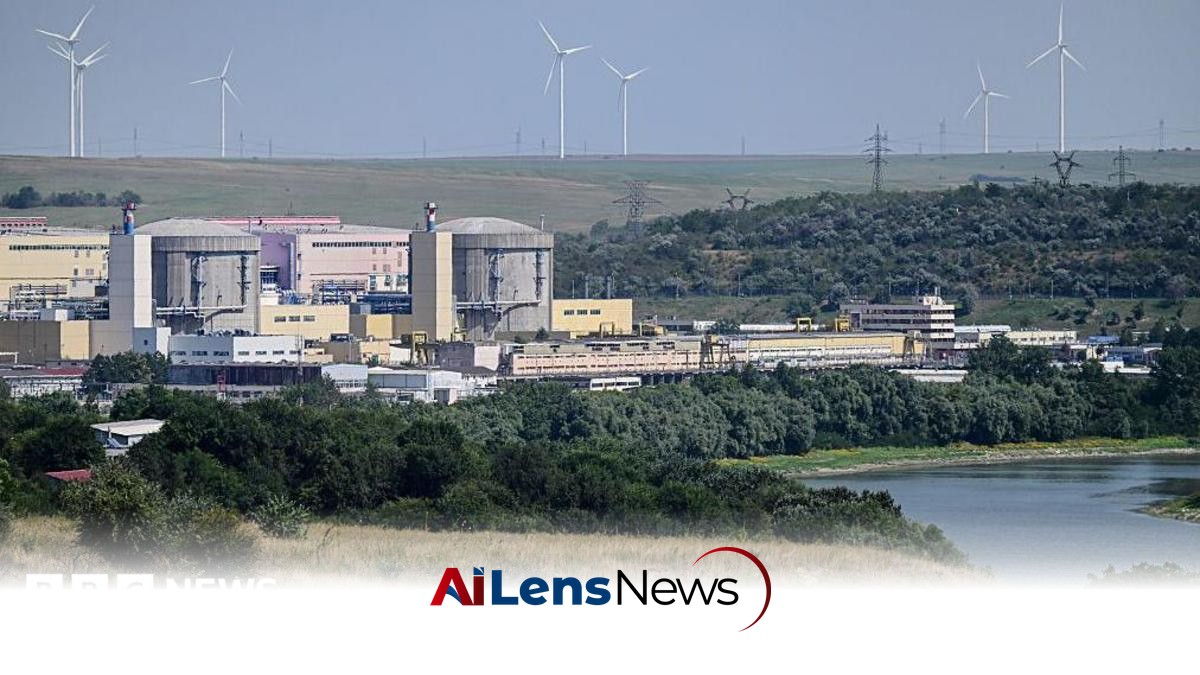



Romania's Cernavodă nuclear power station is shut down due to extremely low water levels in the Danube, impacting electricity production.
New Delhi, India Aug 14, 2026 ALN: Romania has shut down its only nuclear power station due to extremely low water levels in the Danube River, a situation exacerbated by prolonged hot weather affecting much of Europe.
The Cernavodă plant, which houses two reactors that produce approximately 20% of Romania's electricity, is not expected to restart within the next 10 days. This shutdown marks a significant moment for the country's energy sector, which has been grappling with various challenges, including energy transition pressures and reliance on fossil fuels.
The Cernavodă plant is crucial to Romania's energy infrastructure. It was commissioned in the late 1990s and has since been a cornerstone of the country's energy production. The plant's reliance on the Danube for cooling purposes highlights the interconnectedness of natural resources and energy generation. The impact of climate change on river levels is not just a local issue; it reflects a broader trend affecting multiple countries across Europe.
Earlier this week, authorities attempted to increase the water flow to the plant by sinking barges loaded with rocks in the river. However, these efforts have not been sufficient to avert the shutdown. The Danube, which flows through multiple countries before emptying into the Black Sea, is experiencing its lowest water levels in three decades. This situation raises concerns not only for energy production but also for shipping and agriculture along its banks.
In contrast, neighboring Hungary has managed to keep its only nuclear plant in Paks operational, despite also depending on the Danube for cooling. The difference in operational capacity between the two plants may be attributed to various factors, including differences in cooling technology, operational protocols, and possibly even the geographical positioning of the plants along the river.
The second of the two 706-megawatt reactors at Cernavodă was disconnected from the Romanian electricity grid just before midday on Thursday. Plant director Romeo Urjan stated, "We do not foresee a restart within the next 10 days," indicating the severity of the situation. This shutdown is particularly concerning as it comes during a period of high electricity demand, driven by the heatwave affecting much of Europe.
The first reactor had already been shut down in July, and until now, Cernavodă had only experienced one previous shutdown in 2003. The current shutdown is unprecedented in its duration and implications for the Romanian energy market. With both reactors offline, Romania faces a critical situation in meeting its energy needs.
Typically, power shortfalls during such outages are compensated by solar and wind energy during the hot, windy daytime hours. However, traditional coal- and gas-powered generation will need to be supplemented by imports during the evenings. This reliance on imports not only increases costs but also raises questions about energy security and independence for Romania, which has been working to diversify its energy sources in recent years.
Romania also has significant hydropower capacity, but this has been heavily impacted by the same low river levels that led to the nuclear shutdown. The combination of a nuclear plant closure and reduced hydropower output poses a dual challenge for the country’s energy landscape, particularly as the government seeks to transition to more sustainable energy sources.
In Hungary, Prime Minister Péter Magyar warned last month that the Soviet-era Paks plant, which has four nuclear reactors, could face a complete shutdown for the first time. This highlights the precarious nature of energy production in the region, where reliance on outdated infrastructure and environmental factors can lead to significant risks for energy stability.
Officials at the Cernavodă plant noted that the Danube's water levels were so low that the suction nozzles used to draw in water could not reach it. This technical limitation underscores the vulnerability of nuclear power plants to environmental changes, which can disrupt their operations and necessitate costly adaptations.
Climate change is driving up temperatures across Europe, making it the fastest warming continent, heating up twice as fast as the global average, according to the Copernicus climate service. This phenomenon is leading to increased summer heatwaves, greater pressure on Europe's waterways, and more intense wildfires. The implications of these changes extend beyond energy production; they affect agriculture, water supply, and overall public health.
The Rhine, another key European waterway, is also experiencing low water levels, severely limiting traffic. The agricultural sector has felt the impact, with Italy's largest agricultural trade association estimating climate-related damages could exceed €3 billion. These economic repercussions illustrate the far-reaching effects of climate change on various sectors, prompting calls for urgent action to mitigate its impacts.
France's Environment Minister Monique Barbut warned that recent heatwaves could result in direct and indirect costs ranging from €10 billion to €15 billion. Such financial burdens highlight the importance of proactive climate policies and investment in resilient infrastructure to withstand extreme weather events.
The Dutch bank Triodos cautioned that the extreme heat and its consequences could negate much of the projected economic growth for the EU, which the European Commission had forecast at 1.1%. This potential economic setback emphasizes the interconnectedness of climate stability and economic performance, urging policymakers to consider long-term sustainability in their planning.
In Greece, over 200 people, mostly tourists, were evacuated from popular resorts due to raging wildfires. Meanwhile, France is under heatwave alerts in 80 departments, with temperatures expected to exceed 40°C (104°F). These events serve as stark reminders of the immediate dangers posed by climate change, necessitating coordinated responses from governments and communities.
The UK recorded its hottest day of the year on Thursday, with temperatures reaching 38.1°C in London's Kew Gardens. Multiple fires were reported across the West Midlands, causing injuries and property damage. The frequency and intensity of such heatwaves raise questions about the adequacy of current infrastructure and emergency response systems to cope with extreme weather.
While rain is expected to arrive in the UK over the weekend, experts warn that it will take more than showers to alleviate the widespread drought conditions. The situation serves as a cautionary tale for other regions facing similar challenges, highlighting the need for comprehensive water management strategies and climate adaptation measures.
As Romania navigates this critical juncture in its energy sector, the shutdown of the Cernavodă nuclear plant serves as a stark reminder of the vulnerabilities inherent in energy systems reliant on natural resources. The ongoing heatwave and its consequences will likely prompt a reevaluation of energy policies, water management practices, and climate resilience strategies across Europe.
To learn more about the latest developments in Climate & Environment, stay updated with our exclusive reports and analyses on AILensNews.

