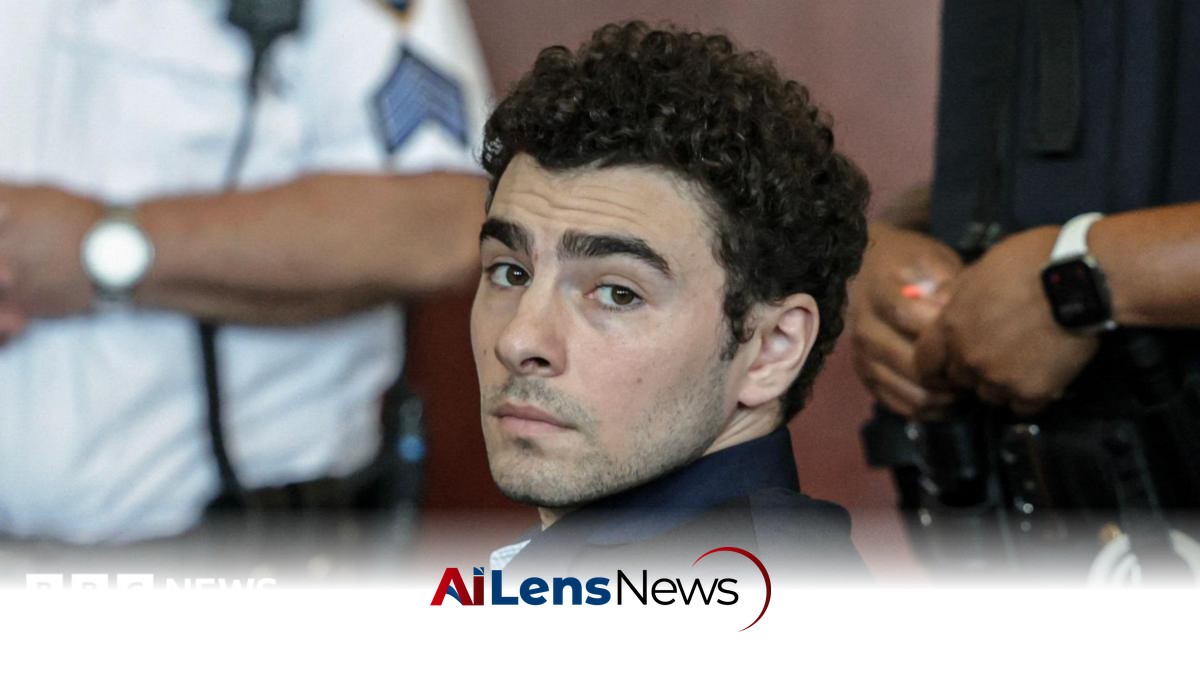


Luigi Mangione has pleaded guilty to the murder of UnitedHealthcare CEO Brian Thompson, admitting to stalking and killing him in Manhattan.
New Delhi, India Aug 15, 2026 ALN: Luigi Mangione has admitted to killing UnitedHealthcare CEO Brian Thompson after pleading guilty to federal charges of interstate stalking resulting in death. This tragic case has captured public attention, not only due to the high-profile nature of the victim but also the implications of Mangione's actions and the broader discussions around mental health and the healthcare system.
In a solemn hearing held in Manhattan federal court, the 28-year-old Mangione confessed, "I shot Mr. Thompson in Manhattan and he died." This admission came after a series of legal proceedings that began when Thompson was shot from behind on December 4, 2024, as he entered a hotel in midtown Manhattan. The incident shocked the community and raised questions about safety and the potential for violence in the corporate .
Brian Thompson, a 50-year-old father of two, was known for his leadership at UnitedHealthcare, a major player in the healthcare industry. His death not only left a void in his family but also in the corporate sector where he was recognized for his contributions. Following the plea hearing, Thompson's family issued a heartfelt statement, describing the plea as "an important step toward justice for Brian and for our family." This statement underscores the emotional toll that the loss of a loved one can take, particularly in such violent circumstances.
Mangione now faces a maximum sentence of life in prison for his actions. In addition to the federal charges, he is also contending with state charges, although his legal team is actively seeking to have those dismissed in light of his guilty plea. Initially, Mangione had entered a plea of not guilty in both the federal and state cases against him, indicating a complex legal strategy that has since shifted.
During the hearing, Mangione appeared in a beige prison outfit, maintaining a serious demeanor as he addressed the court. He read a statement aloud, in which he detailed the planning that went into the attack. Mangione crossed state lines with the intent to kill, utilizing a gun that he had printed on a 3-D printer, complete with a silencer and magazine. This aspect of the case raises significant concerns about gun control and the accessibility of firearms, particularly those that can be manufactured at home, which has become a growing issue in discussions about public safety.
Mangione explained to the court that his motivation for the attack stemmed from his personal experiences with the healthcare system, specifically citing years of enduring severe pain from a broken back. This revelation adds a layer of complexity to the case, as it highlights how individual grievances can manifest into violent actions. The fact that Mangione learned of UnitedHealthcare’s annual investor conference and traveled to New York for the event indicates a premeditated effort to confront Thompson, suggesting that his actions were not impulsive but rather calculated.
In his statement, Mangione admitted to emailing UnitedHealthcare prior to the conference, posing as an investor and inquiring about the event. He stated, "I emailed UnitedHealthcare with the intent to shoot Brian Thompson. On the morning of December 4, 2024, I shot Mr. Thompson in Manhattan in his back." This chilling confession illustrates the lengths to which he went to execute his plan, raising questions about the mental health support available to individuals who may feel disenfranchised or wronged by the healthcare system.
The sentencing for the federal charges is scheduled for December 18, 2024, and Thompson's family has expressed their intent to continue seeking justice in both New York state and Pennsylvania, where Mangione was arrested. They stated, "While nothing will ease the pain of losing him, we are grateful that the federal justice system has held the person responsible for this heinous act accountable. Now we look to the court to ensure that sentencing reflects the severity of this crime." Their commitment to pursuing justice highlights the ongoing impact of violent crime on families and communities.
Prosecutors have recommended that Mangione serve between 24 to 30 years in prison, but Judge Margaret Garnett made it clear that she ultimately holds the discretion to determine his sentence. She explained that while the recommendation is not binding, the maximum sentence could be life in prison, along with financial penalties. The absence of parole in the federal system adds to the gravity of the situation, as it means that Mangione could spend the rest of his life incarcerated if the maximum sentence is imposed.
Furthermore, Mangione's guilty plea could complicate his New York state case, where he faces eight additional charges, including second-degree murder and possession of a forged instrument, among others. His lawyers have argued that the state prosecution violates the principle of double jeopardy, which protects individuals from being tried for the same crime twice. Attorney Karen Friedman Agnifilo asserted, "New York law does not permit a person to be prosecuted and punished twice for the exact same crime," indicating a potential legal battle ahead regarding the state charges.
In contrast, the Manhattan District Attorney's office has expressed its readiness to proceed with the state prosecution, stating, "We are encouraged that Mr. Thompson's family received a measure of accountability today. While federal sentencing is pending, we are prepared to litigate the defense motions. The Manhattan DA's Office remains committed to seeking justice for Mr. Thompson and his family." This ongoing commitment from the DA's office illustrates the complexities of the legal system and the challenges faced in ensuring that justice is served in high-profile cases.
The implications of this case extend beyond the courtroom. It raises critical discussions about mental health, the responsibilities of corporations in addressing grievances, and the potential consequences of unresolved frustrations within the healthcare system. As society grapples with the rise of violence and the factors contributing to it, cases like that of Luigi Mangione serve as stark reminders of the urgent need for comprehensive mental health support and systemic changes within the healthcare industry.
In conclusion, the tragic death of Brian Thompson and the subsequent guilty plea of Luigi Mangione highlight the multifaceted nature of violence, mental health struggles, and the legal system. As the case progresses toward sentencing, it will undoubtedly continue to evoke discussions about accountability, justice, and the societal factors that contribute to such devastating outcomes.
To learn more about the latest developments in International Crime, stay updated with our exclusive reports and analyses on AiLensNews.

