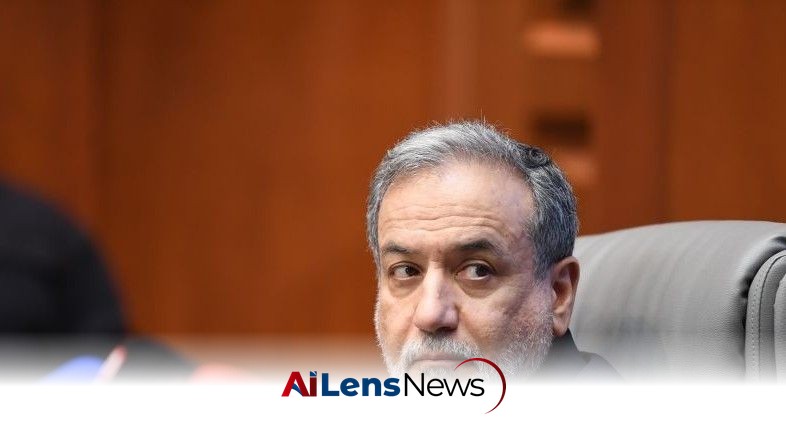


The Iranian Intelligence Ministry has cautioned France against interference in its internal affairs, following the involvement of French diplomats in a controversial meeting.
New Delhi, India Aug 16, 2026 ALN: The Iranian Intelligence Ministry has issued a stern warning to the French government regarding what it describes as "illegal interference" in Iran's internal matters. This statement comes after two French diplomats reportedly participated in a clandestine meeting in Tehran with individuals linked to a significant case of foreign infiltration and interference. The warning highlights the delicate balance of diplomatic relations between Iran and Western nations, particularly as tensions have escalated in recent years over various geopolitical issues.
According to the ministry's announcement on its official website, the investigation revealed that these diplomats had "extensive records of violations and behaviors that contradict Iran's domestic law and their diplomatic obligations." The ministry emphasized that it will not tolerate any actions by foreign diplomats that could be deemed as "illegal interventionist," and warned that any recurrence of such behavior would provoke appropriate responses. This statement reflects Iran's long-standing position on sovereignty and its sensitivity to foreign influence, which it often perceives as a threat to its national security.
The incident involving the French diplomats is not an isolated occurrence but rather part of a broader trend of strained relations between Iran and Western countries. The tensions have roots in various factors, including Iran's nuclear program, its regional influence, and accusations of human rights violations. The Iranian government has frequently accused Western nations of meddling in its domestic affairs, particularly in light of ongoing protests and civil unrest within the country. This context underscores the significance of the recent diplomatic incident and the potential ramifications it may have on Iran's foreign relations.
On July 20, French Foreign Minister Jean-Noel Barrot disclosed that two officials from the French embassy had been detained and mistreated during their time in Tehran. He stated that the diplomats were held for several hours without justification, interrogated, and one of them reportedly suffered physical abuse before being allowed to return to the embassy. This revelation has raised concerns regarding the treatment of foreign diplomats in Iran and the implications for diplomatic immunity, which is designed to protect officials from harassment and abuse while they are on foreign soil.
Barrot confirmed that both diplomats are now safe and are expected to return to France shortly. He expressed his shock over the incident, particularly as these officials were responsible for overseeing programs that support civil society, including initiatives for Iranian artists and scientists. In his statement, Barrot labeled the incident as "shocking" and warned Iranian Foreign Minister Seyed Abbas Araghchi that the "serious and unacceptable" nature of this occurrence would not go unaddressed. Such statements from high-ranking officials indicate the potential for diplomatic repercussions, including sanctions or a reevaluation of diplomatic engagements between the two nations.
In response, Araghchi conveyed his concerns to Barrot during a phone call, asserting that the actions of the French diplomats were "unconventional" and violated diplomatic norms, which he deemed unacceptable. This exchange exemplifies the complexities of international diplomacy, where perceptions of behavior can vary significantly between nations. Iran's insistence on its interpretation of diplomatic conduct highlights the challenges of navigating international relations in a climate of suspicion and hostility.
This diplomatic spat highlights the ongoing tensions between Iran and Western nations, particularly regarding issues of sovereignty and foreign influence. The Iranian government has repeatedly expressed its frustration with what it views as Western interference in its internal affairs, citing various instances where foreign powers have allegedly sought to undermine its authority. The situation is further complicated by the historical context of Western involvement in the region, including past interventions and the legacy of colonialism, which continue to shape Iran's worldview.
Moreover, the broader implications of this incident extend beyond Iran and France, as it resonates within the context of global diplomatic relations. The rise of nationalism and a growing reluctance among countries to accept foreign intervention has led to a reevaluation of international norms and practices. As nations increasingly assert their sovereignty, the potential for diplomatic conflicts may rise, particularly in regions with complex political landscapes like the Middle East.
In light of these developments, it is crucial for both Iran and France to engage in constructive dialogue to address their differences. Diplomatic channels should remain open to prevent misunderstandings from escalating into more serious confrontations. The ability to navigate these tensions effectively will be essential for maintaining stability in the region and fostering a climate of mutual respect among nations.
As the situation evolves, it will be important to monitor how both countries respond to the incident and whether it leads to any significant changes in their diplomatic relationship. The potential for retaliatory measures or further accusations of interference could exacerbate existing tensions and complicate future interactions. Ultimately, the outcome of this diplomatic incident may serve as a barometer for the state of Iran's relations with not only France but also other Western nations, as they grapple with the challenges of diplomacy in an increasingly polarized world.
To learn more about the latest developments in International Politics, stay updated with our exclusive reports and analyses on AiLensNews.

