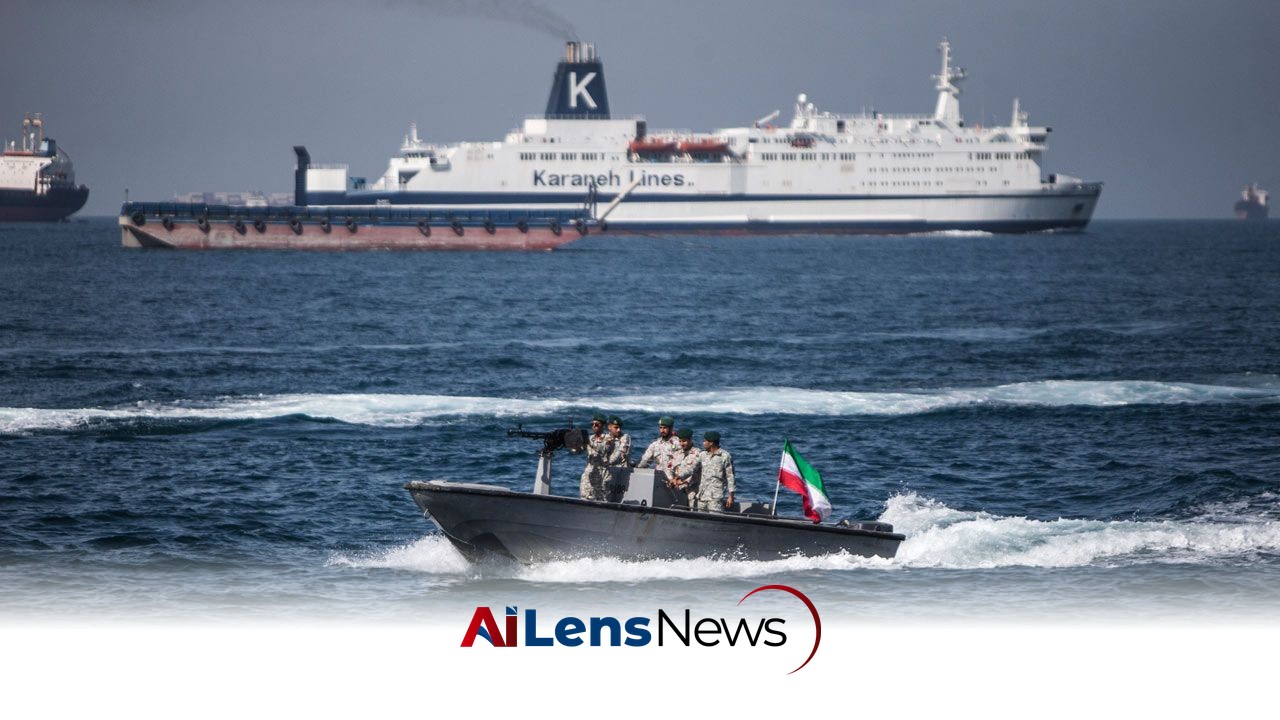



Iran and Oman have reached an agreement on designated shipping routes through the Strait of Hormuz, pending further technical discussions and a joint statement.
New Delhi, India Aug 16, 2026 ALN: Washington: Iran and Oman have agreed on shipping routes through the Strait of Hormuz, but technical discussions continue, and a broader deal governing traffic through the strategic waterway has not yet been finalized. The Strait of Hormuz is a crucial maritime passage, as it serves as the conduit for approximately 20% of the world's oil supply. This agreement between Iran and Oman highlights the importance of regional cooperation in ensuring the security and efficiency of shipping in this vital area.
Iranian Foreign Ministry spokesman Esmaeil Baghaei stated that negotiations had progressed smoothly over the past three weeks. The discussions are part of ongoing efforts to enhance maritime safety and facilitate trade in a region that has experienced heightened tensions in recent years. The Strait of Hormuz has been a flashpoint for geopolitical conflicts, especially between Iran and the United States, as well as its allies in the Gulf region.
A joint statement from the two countries is still under discussion. “There are still some matters where discussions continue, particularly regarding the joint statement that is to be released by Iran and Oman,” Baghaei added. The delay in finalizing the joint statement indicates the complexity of the negotiations and the need for both parties to agree on specific terms and conditions that govern the shipping routes.
“Exchanges are ongoing, and whenever it is finalized, information will certainly be provided,” he said. The ongoing dialogue between Iran and Oman reflects a commitment to finding common ground in a region marked by competing interests and historical rivalries. Both countries have a vested interest in maintaining stability in the Strait of Hormuz, which is pivotal for their economies and national security.
The two coastal states have agreed on a “shipping map” for vessels passing through the strait, according to the material released by Iranian authorities. This shipping map is expected to outline designated routes for commercial and military vessels, aiming to minimize the risk of accidents and enhance navigational safety. The establishment of such routes is particularly important given the increasing number of naval operations and military presence in the region by various countries, which can contribute to misunderstandings and potential confrontations.
Further talks will address the remaining technical details. These details may include navigation protocols, communication systems for vessels, and emergency response measures in case of incidents at sea. The technical aspects of the agreement will be crucial for its practical implementation and for ensuring that all stakeholders are aware of their rights and responsibilities while navigating through the strait.
The arrangement was negotiated independently by Iran and Oman. The United States was not part of the discussions. This independence from U.S. involvement is significant, as it underscores the desire of Iran and Oman to pursue their own diplomatic initiatives in the face of external pressures. The absence of U.S. participation may also reflect the complexities of U.S.-Iran relations, which have been strained since the U.S. withdrawal from the Joint Comprehensive Plan of Action (JCPOA) in 2018 and the subsequent imposition of sanctions on Iran.
The proposed framework is intended to ensure the safe passage of ships while preserving the sovereignty and sovereign rights of both countries. By establishing clear shipping routes, Iran and Oman aim to foster an environment conducive to maritime trade and economic cooperation. This is particularly relevant for Oman, which relies heavily on shipping routes for its exports and imports, and for Iran, which seeks to bolster its economy amid international sanctions.
Iranian authorities have not disclosed whether vessels would be charged transit fees or what security arrangements would apply. The decision to impose transit fees could have implications for shipping costs and, by extension, global oil prices. Additionally, the security arrangements will be critical in ensuring that vessels can navigate the strait without fear of harassment or attacks, particularly given the recent history of incidents involving oil tankers in the region.
The agreement on routes, however, does not mean that the strait will immediately reopen to normal commercial traffic. The complexities of regional politics and ongoing tensions mean that while a framework for safe passage has been established, actual implementation may face hurdles. The reopening of the strait to normal traffic will depend on a variety of factors, including geopolitical developments and the resolution of outstanding issues between Iran and the U.S.
Iranian Foreign Minister Abbas Araghchi stated that reopening the waterway “is a separate issue. It depends on fulfilling other conditions that the US must abide by for it to take place.” This statement underscores the interconnectedness of maritime security and broader geopolitical dynamics in the region. The reopening of the strait is not solely a matter of technical agreements; it is also tied to the broader context of U.S.-Iran relations and the ongoing diplomatic efforts to address issues related to Iran's nuclear program and regional influence.
Iran has remained in contact with mediators who are carrying messages between Tehran and Washington. This communication reflects an ongoing effort to manage tensions and explore avenues for dialogue, despite the absence of formal negotiations. The role of mediators is crucial in facilitating discussions and providing a channel for communication, particularly when direct talks between the two countries are not taking place.
Araghchi emphasized that those exchanges should not be treated as direct talks. “This does not constitute negotiation. We have not yet made a decision to resume negotiations with the US,” he added. This statement highlights the cautious approach that Iran is taking in its diplomatic efforts, as the country seeks to balance its interests while navigating a complex geopolitical landscape.
Meanwhile, US President Donald Trump declared that the US will be taking over the Hormuz Strait, a key artery for petroleum and gas where his country’s nearly half-year-long war with Iran has stifled global supplies. The assertion of U.S. control over the Strait of Hormuz raises significant concerns among regional actors and could exacerbate tensions further. The strait is not only vital for Iran and Oman but also for other Gulf states and global markets that depend on the free flow of oil and gas.
“After we finish defeating Iran, which is being very badly defeated, pretty soon, I’ll be declaring the Hormuz Strait a territory of the United States,” he said on Friday. Such statements can provoke strong reactions from Iran and other countries in the region, potentially leading to increased military posturing and heightened risks of conflict. The implications of U.S. claims over the strait are profound, as they challenge the sovereignty of Iran and could lead to further isolation of the country on the international stage.
To learn more about the latest developments in International Politics, stay updated with our exclusive reports and analyses on AILensNews.

