

A Danish pilot and a Greek liaison officer died in a helicopter collision while fighting wildfires in Greece. A British pilot and another Greek crew member survived.
New Delhi, India Aug 3, 2026 ALN: Two crew members have been killed after two helicopters collided mid-air in Greece while battling wildfires.
The fatalities were a Danish pilot and a Greek fire service liaison officer. A British pilot and another Greek co-ordinator on the second helicopter survived the incident, which has drawn attention to the ongoing challenges faced by emergency responders in the region.
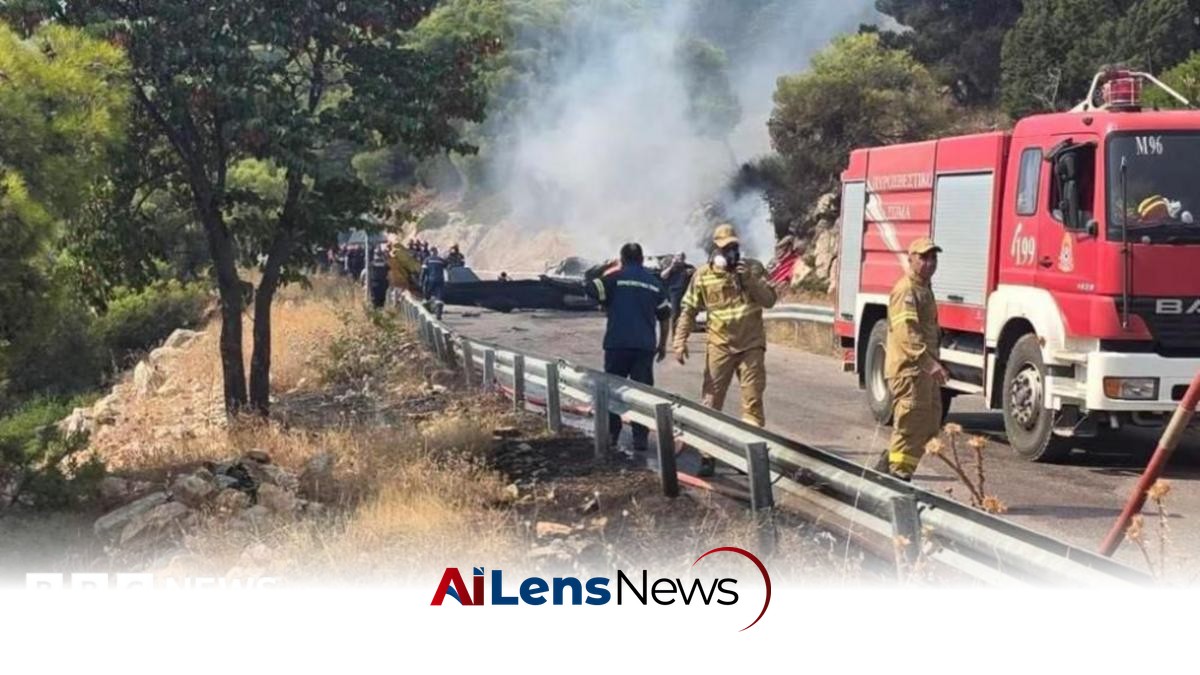
Video footage of the tragic event, which occurred approximately 65 km (42 miles) west of the capital Athens, shows one of the two Bell helicopters striking the propellers of the other. The collision led to one helicopter bursting into flames and crashing into a ravine, while the other aircraft managed to execute an emergency landing. The swift response of the surviving crew members was crucial, as they were able to report the collision and guide rescuers to the crash site.
The wildfires that prompted this aerial firefighting effort have intensified in Greece, leading to mass evacuations in various regions. The fires have been exacerbated by a combination of prolonged heatwaves and strong winds, which have created a perfect storm for wildfire outbreaks. Other European countries, including France and Spain, have also faced devastating wildfires during this period, highlighting a broader trend of increasing wildfire activity across the continent.
According to the Greek Fire Service, the two leased Bell helicopters collided on Sunday while engaged in firefighting operations aimed at controlling a large wildfire burning along the Attica-Boeotia border. This area has been particularly vulnerable to wildfires, with a history of similar incidents in previous years. The crew members of one aircraft were rescued alive, while the second crew was recovered unconscious and later pronounced dead, marking a tragic loss for both the firefighting community and their families.
In response to the accident, Greek Prime Minister Kyriakos Mitsotakis expressed his "deepest sorrow" over the incident. In a post on X, he conveyed that the loss of the Greek coordinator and Danish pilot "fills us all with grief" and extended condolences to their families. This sentiment reflects a broader recognition of the risks faced by those on the front lines of firefighting efforts, especially during extreme weather conditions.
Following the collision, authorities took immediate action to ground all Bell helicopters across the country as a precautionary measure. A source from the civil protection ministry confirmed that the second Bell helicopter involved in the incident managed to make an emergency landing in an area of low vegetation, preventing further casualties. The two survivors from this helicopter, a British pilot and a Greek fire service liaison officer, escaped with minor injuries. They were taken to a hospital for observation, where they remained under medical care for 24 hours as a precautionary measure.
It is noteworthy that the British pilot was a private contractor hired specifically for the wildfire season. He was not part of any formal exchange program between the UK and Greece, nor had there been any request for assistance from Athens, indicating the reliance on private contractors in the ongoing battle against wildfires. The involvement of private pilots and contractors in firefighting efforts has become increasingly common as countries seek to bolster their resources during peak wildfire seasons.
In the wake of the collision, the names of the four crew members involved have not been publicly released, as is often the protocol in such sensitive situations. However, the incident has raised questions about the safety protocols and operational procedures in place for aerial firefighting, particularly in light of the increasing frequency and intensity of wildfires due to climate change.
As firefighting efforts continue, various aircraft, including Erickson Air-Crane and Chinook helicopters, as well as Canadair water-bombing aircraft, remain engaged in battling the blazes across Greece. These aircraft play a crucial role in suppressing wildfires, particularly in rugged terrain where ground crews may struggle to access. The aerial firefighting operations are complemented by the efforts of over 500 firefighters who have been working tirelessly to bring the situation under control in affected regions such as Porto Germeno, Psatha, Fokida, Megara, and Kefalonia.
The ongoing wildfires in Greece and across Europe are symptomatic of a broader environmental crisis. Most wildfires are sparked by human activity, whether intentionally or accidentally; however, climate change is significantly increasing the likelihood and severity of such events. The warmer temperatures and prolonged dry spells have created ideal conditions for wildfires to ignite and spread rapidly.
Last winter was notably mild and wet, which encouraged significant vegetation growth. This lush growth, however, became a double-edged sword, as it dried out during successive heatwaves, generating ample fuel for wildfires. As climate patterns continue to shift, the implications for wildfire management and prevention strategies are profound. Experts are calling for a reevaluation of land management practices, improved early warning systems, and increased investment in firefighting resources to better prepare for future wildfire seasons.
In conclusion, the tragic helicopter collision in Greece serves as a stark reminder of the dangers faced by those who risk their lives to combat wildfires. It underscores the urgent need for enhanced safety measures, training, and resources to protect both the firefighters and the communities they serve. As wildfires continue to pose a significant threat in Greece and beyond, the lessons learned from this incident may inform future strategies to mitigate the impacts of climate change and improve emergency response capabilities.
Wildfires are a growing concern not only in Greece but globally, with many regions facing similar challenges. The increase in frequency and intensity of these fires is often attributed to climate change, which has led to hotter, drier conditions in many parts of the . As temperatures rise and weather patterns become more erratic, the risk of wildfires is expected to continue to escalate, necessitating a comprehensive approach to disaster management.
In addition to improving firefighting techniques and equipment, there is a pressing need for public education on fire prevention and safety. Communities living in fire-prone areas must be equipped with knowledge about how to protect their homes and properties, as well as how to respond effectively in the event of a wildfire. This includes creating defensible space around properties, understanding evacuation routes, and recognizing the signs of an impending fire.
Moreover, the economic impact of wildfires cannot be overlooked. The destruction of property, loss of life, and the long-term environmental damage caused by fires can have significant repercussions for local economies. Agriculture, tourism, and real estate are often hit hardest, leading to a ripple effect that can take years to recover from. Policymakers must consider these factors when developing strategies for wildfire management and response.
As the grapples with the realities of climate change and its associated risks, the tragic incident in Greece serves as a poignant reminder of the sacrifices made by those who work tirelessly to protect communities from the ravages of wildfires. It calls for a concerted effort from governments, organizations, and individuals alike to prioritize safety, preparedness, and resilience in the face of an ever-increasing threat.
Ultimately, the goal must be to create a sustainable and effective approach to wildfire management that not only addresses the immediate needs of firefighting but also tackles the root causes of wildfire risk in a changing climate. Addressing these challenges will require collaboration across borders, sectors, and disciplines, as well as a commitment to investing in the future of fire safety and prevention.
To learn more about the latest developments in Regions & Countries, stay updated with our exclusive reports and analyses on AiLensNews.

