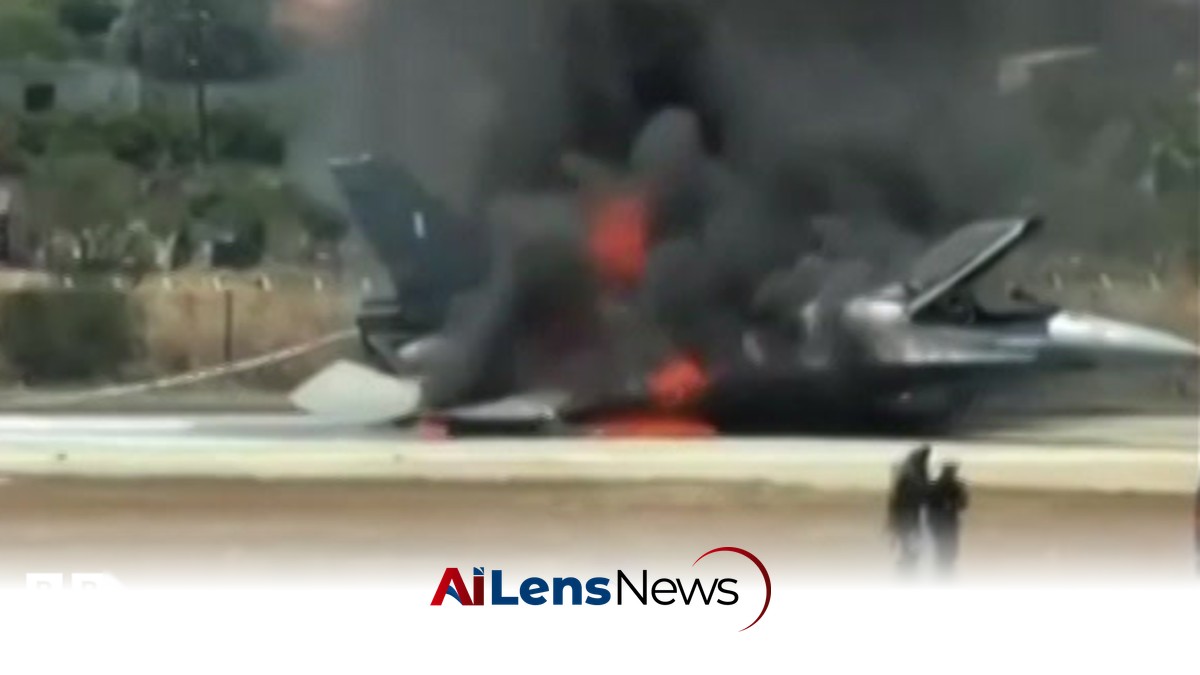


A Hellenic Air Force F-16 fighter jet crash-landed at Zakynthos airport, closing one of Greece's busiest summer holiday terminals after landing gear failure.
New Delhi, India Jul 9, 2026 ALN: A Hellenic Air Force F-16 fighter jet has crash-landed at Zakynthos airport, closing one of Greece's busiest summer holiday terminals.
The aircraft - which was on a training flight - landed at about 13:45 local time (10:45 GMT) on Thursday after developing a technical fault, the air force said. This incident has drawn significant attention, not only because of the aircraft's military nature but also due to the busy summer travel season in Greece, which typically sees an influx of tourists.
The air force added that the pilot was "in good health" and that the cause of the incident was being investigated. This incident raises questions about the safety protocols and technical maintenance of military aircraft, particularly those that are actively used for training purposes. The F-16, a versatile multirole fighter, has been a cornerstone of NATO air power since its introduction, but like any complex machine, it is subject to technical failures that can have serious consequences.
Greek media reported that the aircraft had received an indication of an onboard fire before landing and caught fire on the runway, prompting an emergency response from firefighters and airport personnel. Such emergencies, particularly involving military aircraft, are taken very seriously due to the potential risks they pose not just to the crew, but also to civilians in and around the airport. The presence of an onboard fire suggests a failure in one or more critical systems, which will be a focal point of the investigation. The rapid response from emergency services underscores the importance of preparedness in dealing with incidents that could escalate quickly.
The fighter jet landed without deploying its landing gear, causing it to slide dozens of metres along the runway, Greece's Kathimerini paper reported. This detail suggests a failure in the aircraft's landing systems, which will be a critical focus of the investigation. The Hellenic Air Force has not commented on this report, leaving many questions unanswered regarding the circumstances leading up to the crash-landing. Such failures can be attributed to a variety of factors, including mechanical issues, pilot error, or a combination of both, which will need thorough examination.
Video emerged on social media showing the jet ablaze while being doused by firefighters. The footage serves as a stark reminder of the potential dangers associated with military training flights, particularly in civilian airspace. The ability of emergency responders to act quickly and effectively in such situations can significantly mitigate risks and prevent loss of life or further damage.
The air force said the aircraft was from the 335 Squadron of the 116th Combat Wing based at Araxos Air Base in western Greece. This unit is known for conducting various military operations, including air defense and training missions. The involvement of a combat wing in a civilian airport incident raises questions about the protocols in place for military aircraft operating in proximity to commercial air traffic. The integration of military and civilian airspace is a complex issue, and incidents like this highlight the need for clear operational guidelines to ensure the safety of all air traffic.
The runway was closed following the incident, causing delays. The airport's arrivals and departure boards showed information about all of Thursday's remaining flights delayed until 21:00 - including those scheduled to leave hours earlier. Zakynthos airport is a critical hub for tourism, especially during the summer months when thousands of visitors flock to the island for its picturesque beaches and vibrant nightlife. The timing of this incident, at the beginning of the summer holiday season, exacerbates the impact on travelers and local businesses that rely heavily on tourism. Disruptions at the airport can lead to significant economic repercussions, affecting everything from hotel bookings to local restaurants and shops that depend on tourist traffic.
The incident comes at a time when Greece is experiencing a surge in tourism, with the island of Zakynthos being a popular destination for international travelers, particularly from the UK. This influx is vital for the local economy, and any disruption at the airport can have wide-reaching implications for both the tourism sector and local residents. Local businesses are particularly vulnerable to such disruptions, as they may face cancellations and loss of revenue during peak travel times.
A specialist air force team was expected to travel to the Ionian island to remove the aircraft from the runway and allow airport operations to resume. The removal process will likely involve careful planning and coordination with airport authorities to ensure safety and minimize further disruption. The timeline for the removal and subsequent reopening of the runway will be closely monitored by airport officials, as delays can lead to cascading effects on flight schedules and passenger experiences. The logistical challenges of removing a military aircraft from a busy airport runway are considerable and will require expertise and precision to avoid further complications.
The investigation into the crash-landing will likely involve multiple agencies, including the Hellenic Air Force, aviation safety authorities, and possibly international aviation bodies, depending on the findings and implications of the incident. The results of this investigation could lead to changes in operational procedures for military aircraft operating near civilian airports, as well as influence maintenance protocols for aging military fleets. The need for rigorous maintenance and oversight is paramount, particularly as many military aircraft are aging and may require more frequent checks and updates to ensure their safety and reliability.
In recent years, military aviation incidents have prompted discussions about safety regulations and the need for stringent oversight in both military and civilian aviation sectors. This incident may reignite debates about the balance between maintaining military readiness and ensuring the safety of civilian air travel. The aviation community, including regulatory bodies, military officials, and industry stakeholders, will be keenly observing the outcomes of this incident, as it could set precedents for future operations and safety protocols.
As the investigation unfolds, it will be crucial for the Hellenic Air Force to communicate transparently with the public and stakeholders, particularly those affected by the incident. Clear communication can help alleviate concerns about safety and reassure both local residents and international travelers that measures are being taken to prevent future occurrences. Transparency will be key in maintaining public trust, especially in light of the potential risks associated with military operations in civilian airspace.
In conclusion, the crash-landing of the F-16 at Zakynthos airport underscores the complexities and risks associated with military aviation, particularly in civilian environments. The immediate focus will be on ensuring the safety and well-being of all involved, but the broader implications for military operations and aviation safety standards will likely resonate long after the incident is resolved. As investigations proceed, the outcomes may prompt not only changes in operational protocols but also a reevaluation of how military aircraft interact with civilian air traffic, ultimately aiming to enhance safety for all.
To learn more about the latest developments in Wars & Conflicts, stay updated with our exclusive reports and analyses on AiLensNews.

