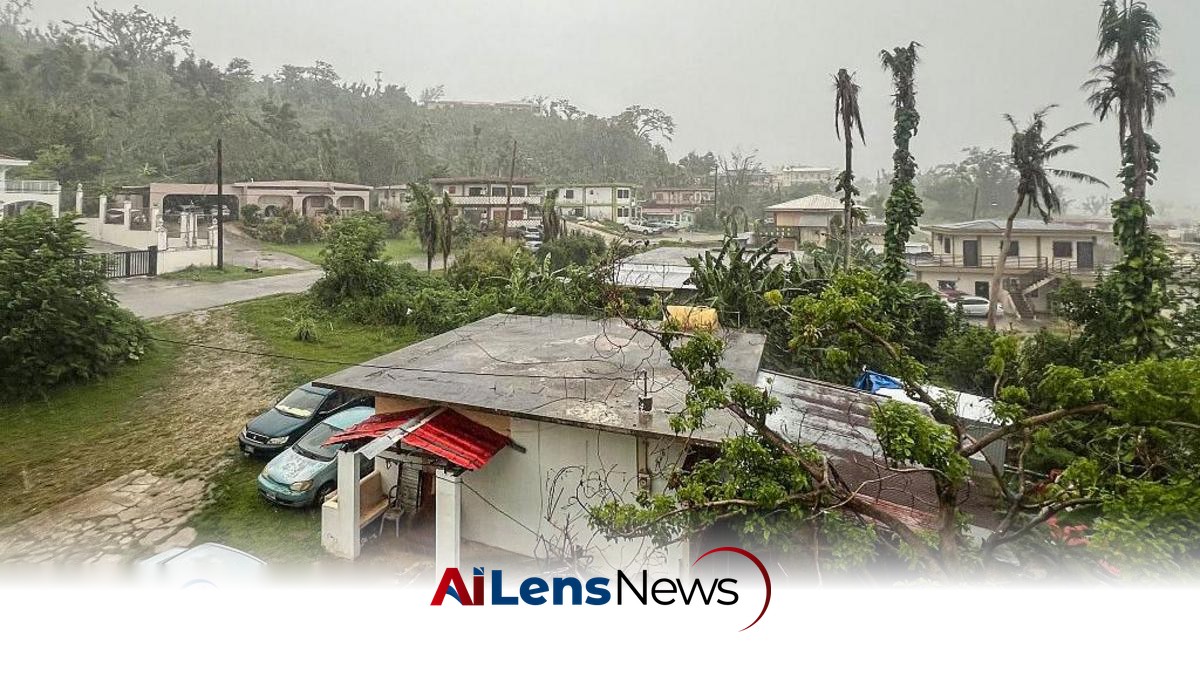


Emergency evacuations are underway in Guam as Super Typhoon Bavi, with winds up to 160 mph, is set to make landfall, threatening catastrophic damage.
New Delhi, India Jul 5, 2026 ALN: Emergency evacuations are taking place in Guam and the Northern Mariana Islands as a super typhoon bears down on the US Pacific territories.
Bavi is forecast to make landfall early on Monday morning, with winds of up to 257 km/h (160 mph), according to the US National Weather Service (NWS). This powerful storm has raised alarms among local officials and residents, prompting swift action to mitigate potential loss of life and property.
The NWS warned the "very dangerous" storm could cause "catastrophic" damage, with "significant flooding from torrential rains" possible and waves potentially nearly 11 m (35 ft) high on Monday. The threat posed by Bavi is exacerbated by the region's topography, which includes steep hills and coastal areas that can be particularly vulnerable to flooding and landslides during intense storms.
The western Pacific region is particularly prone to tropical cyclones, a phenomenon that is influenced by various climatic factors, including sea surface temperatures and atmospheric conditions. While storms of this strength are unusual for the US islands, scientists say climate change is making powerful typhoons more common. Rising ocean temperatures, a direct consequence of global warming, contribute to the increased intensity of tropical storms, making them more destructive upon landfall.
Bavi is expected to pass directly over Guam and the Northern Mariana Islands by Monday afternoon, but the NWS warned that destructive conditions could be expected for eight to ten hours prior to or after the arrival of the storm's centre. This extended period of hazardous weather can complicate evacuation efforts and emergency response, as conditions may deteriorate rapidly.
"The window is rapidly closing to evacuate if directed to do so by local officials, or if your home is vulnerable to high winds or flooding," the agency said, adding that winds "will pose a deadly threat to those venturing outside." The urgency of these warnings underscores the importance of heeding local authorities, as they are best positioned to assess risks and provide guidance based on real-time conditions.
Guam, usually a sun-soaked tourist destination with a population of about 170,000, has opened five evacuation centres in its schools. These sites have a maximum capacity of around 1,700 and are primarily intended for vulnerable people, including the elderly, individuals with disabilities, and families without adequate shelter. The island's civil defence office said at 13:00 local time (03:00 GMT) on Sunday that one of the evacuation sites had already reached maximum capacity and that people were being redirected to another site. This rapid filling of evacuation centres indicates the seriousness of the situation and the need for swift action by residents.
Bavi has been classified as a super typhoon by the Joint Typhoon Warning Center (JTWC), a part of the US Navy responsible for monitoring tropical storms in the western Pacific. A super typhoon has winds in excess of 130 knots (150 mph). The JTWC predicts that Bavi will have winds of 150 knots (173 mph) when it arrives over the islands, with gusts reaching as high as 180 knots (207 mph). The classification of Bavi as a super typhoon highlights its potential for destruction and the need for comprehensive preparedness measures.
The NWS considers super typhoons to have the equivalent destructive potential as a category four or five hurricane. This categorization is significant as it helps residents understand the potential impact of the storm and the importance of taking precautions. The historical context of tropical cyclones in the area reveals a troubling trend; Bavi will be the 11th category four or five tropical cyclone to hit US territory in the past decade - one more than the total recorded in the prior 57 years. This alarming statistic reflects a broader pattern of increasing storm intensity and frequency, raising concerns about the long-term implications for the region.
A strong El Niño event - a periodic warming of an area of surface water in the Pacific that contributes to weather patterns - is expected to push more tropical storms into these higher intensities. El Niño is known to disrupt typical weather patterns, leading to increased rainfall in some areas and drought in others. The interplay between El Niño and climate change creates a complex environment for forecasting storm behavior and preparing for potential impacts.
Guam and the Northern Mariana Islands have already experienced one super typhoon this year - Sinlaku in April, which killed 17 people and caused about $1.5 billion (£1.1 billion) in damage. The devastation wrought by Sinlaku serves as a stark reminder of the vulnerability of these islands to extreme weather events and the importance of robust emergency management systems. The cumulative impact of such storms can strain local resources and hinder recovery efforts, making it essential for communities to have effective disaster preparedness plans in place.
Warmer sea surface temperatures drive more moisture into the atmosphere, supercharging storms. This phenomenon is a key factor in the increasing intensity of tropical cyclones, as warmer water provides the energy needed for storms to strengthen. As the climate continues to change, it is likely that regions like Guam and the Northern Mariana Islands will face more frequent and severe storms, necessitating ongoing adjustments to building codes, infrastructure resilience, and emergency response strategies.
As the situation develops, local officials and emergency management agencies are urging residents to remain vigilant and stay informed through official channels. The importance of community preparedness cannot be overstated; individuals and families are encouraged to have emergency kits ready, including food, water, medications, and important documents. The need for clear communication and coordinated action is critical in mitigating the impacts of Bavi and ensuring the safety of all residents in the affected regions.
In conclusion, as Super Typhoon Bavi approaches Guam and the Northern Mariana Islands, the urgency of the situation is palpable. The combination of high winds, heavy rainfall, and the potential for catastrophic damage necessitates immediate action from local authorities and residents alike. The historical context of increasing storm intensity, compounded by climate change and El Niño effects, highlights the need for continued vigilance and preparedness in the face of an uncertain future.
To learn more about the latest developments in Climate & Environment, stay updated with our exclusive reports and analyses on AiLensNews.

