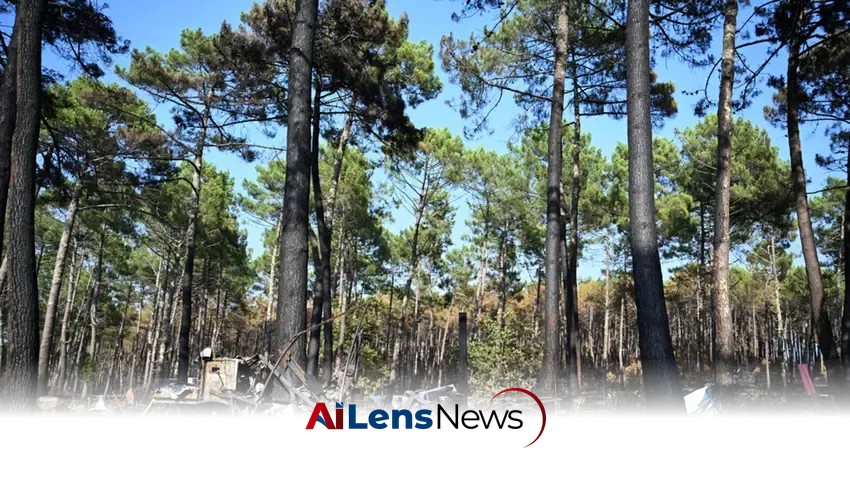


Despite major fires in France and Spain, Swedes are still booking trips to Southern Europe, with airlines reporting no significant cancellations.
London, United Kingdom Aug 1, 2026 ALN: As the summer season unfolds, Swedes are continuing to book holidays in Southern Europe, despite the ongoing wildfires impacting regions of France and Spain. This trend is evident from reports by airlines and travel agencies, which indicate that interest in travel to these popular destinations remains robust. The ongoing wildfires, which have been exacerbated by extreme heat and prolonged dry conditions, have raised concerns among potential travelers about safety and accessibility, yet many Swedes appear undeterred.
Catharina Solli, the press manager at the airline Norwegian, noted that flight tickets to Bordeaux—a destination that is geographically close to the fires—are still being booked for the upcoming days. This indicates that travelers are not overly deterred by the current situation. Furthermore, Solli mentioned that the airline has not experienced a significant increase in cancellations compared to previous years, suggesting a resilience in travel plans among Swedish tourists. This resilience might be attributed to a combination of factors, including the strong desire for travel after pandemic-related restrictions, as well as the cultural significance of summer vacations in Sweden.
While the fires pose a serious threat to certain areas, Solli highlighted that inquiries to customer service regarding the operational status of airports have increased. Travelers are understandably concerned about their safety and the viability of their travel plans. However, she reassured that the situation is being monitored closely, with ongoing updates from authorities being taken into account. This proactive approach from airlines is crucial in maintaining consumer confidence, especially in times of crisis.
Travel companies, including Ticket, have also reported a lack of significant cancellations due to the fires. Louise Jellvi, a press communicator at Ticket, mentioned that while some travelers are seeking advice about their destinations to ensure they are not in fire-affected areas, the overall trend has been positive. In fact, Ticket has seen an increase in bookings to France and Spain over the past week compared to the same period last year. Specifically, between July 21st and July 27th of this year, the number of travelers booked to Spain increased by 29 percent, while bookings to France rose by 22 percent. This suggests that despite the alarming news regarding wildfires, many travelers are still eager to visit these regions.
Travel expert Lottie Knutson provided insight into this phenomenon, suggesting that the trend may be attributed to the fact that many summer trips are already booked, making cancellations more complicated for travelers. She pointed out that travel habits can be deeply ingrained, and while the fires are indeed alarming, they may not be enough to deter those who have already committed to their travel plans. Knutson also drew parallels to past events that have influenced travel behaviors, such as the war in the Middle East, which led to a decline in tourism in certain areas, and the impact of political sentiments on travel to the United States during the presidency of Donald Trump. These historical precedents indicate that while immediate threats can affect travel decisions, they often do not lead to long-term changes in consumer behavior.
However, Knutson cautioned that if the fires continue at their current intensity, it could have significant implications for future travel. She anticipates that more travelers may choose to avoid Southern Europe during the hottest months, which are typically popular for vacations. This could lead to a shift in booking patterns, with travelers opting to book closer to their departure dates and increasingly favoring refundable tickets. Such changes in consumer behavior could have repercussions for airlines and travel agencies, affecting their revenue and operational strategies. The potential for a long-term decline in bookings could prompt airlines to adjust their routes and capacities, while travel agencies may need to enhance their customer service and communication strategies to reassure travelers.
In response to the ongoing crisis, French Trade and Tourism Minister Serge Papin has urged tourists not to cancel their stays in the affected areas automatically. During an appearance on the French television channel TF1, he expressed optimism about the potential for reopening evacuated areas where the fires have not caused significant damage by August. This statement reflects a desire to reassure both tourists and the local economy, which heavily relies on tourism revenue. The French government has a vested interest in maintaining a positive image of its tourist destinations, particularly during the peak summer season when many rely on the influx of visitors for their livelihoods.
From a legal standpoint, the Swedish Consumer Agency (Konsumverket) has clarified that there is no statutory right of withdrawal for air travel. Instead, the terms and conditions set by airlines govern the cancellation of flights. However, travelers do have the option to cancel their flights, which may allow them to recover certain fees that the airline did not incur due to the cancellation, as well as flight taxes. This information is crucial for travelers who may be considering their options in light of the ongoing fires. Understanding the legal framework surrounding travel cancellations can empower consumers to make informed decisions regarding their travel plans.
The Package Travel Act in Sweden provides additional protections for travelers. This law safeguards against changes made by the trip organizer before or during the journey. It applies specifically to linked travel arrangements or package trips. In cases of extraordinary events at the destination, such as a war or large-scale forest fire, travelers are entitled to cancel a package trip and receive a refund without incurring cancellation fees. This legal framework is essential for ensuring that consumers are protected in the face of unforeseen circumstances that could disrupt their travel plans. As travelers navigate the complexities of their bookings, awareness of these protections can help mitigate concerns related to financial losses.
In summary, while the ongoing wildfires in Southern Europe present a serious concern, the current data suggests that Swedish travelers remain committed to their travel plans. The resilience shown by airlines and travel agencies, coupled with legal protections for consumers, indicates that the tourism industry is navigating these challenges with a focus on safety and reassurance for travelers. As the situation evolves, it will be important for both travelers and industry stakeholders to remain informed and adaptable to ensure a safe and enjoyable travel experience. The interplay between consumer behavior, legal protections, and industry responses will likely shape the future of travel in the wake of environmental challenges, underscoring the need for a proactive approach to tourism management.
To learn more about the latest developments in Destinations, stay updated with our exclusive reports and analyses on AiLensNews.

