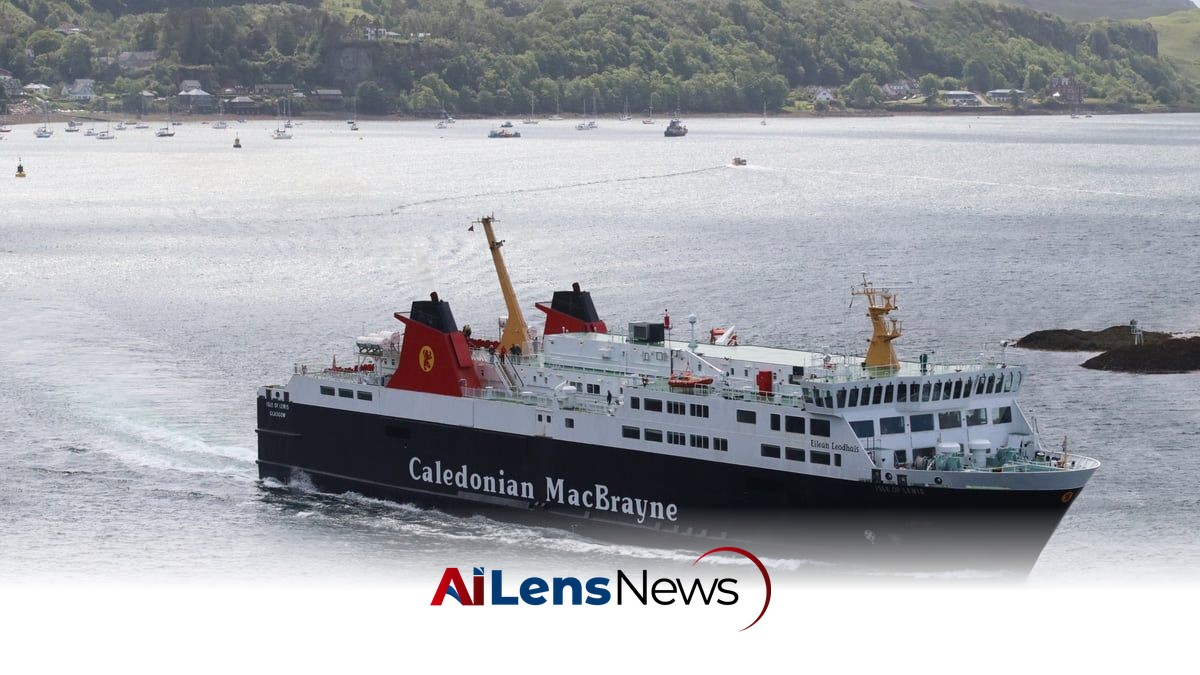


Decommissioned CalMac ferries are set for summer use in the Mediterranean's milder waters as part of a sell-off strategy.
London, United Kingdom Jul 12, 2026 ALN: Caledonian MacBrayne (CalMac), the principal operator of ferry services in Scotland, is embarking on a significant strategic shift by planning to sell off its ageing ferries. This initiative includes a proposal to send some of these decommissioned vessels to the Mediterranean, where they could be utilized in less demanding maritime conditions during the summer months. This decision not only aims to extend the operational life of these ferries beyond their typical service in Scotland but also presents an opportunity for CalMac to generate additional revenue through their sale.
The move to sell ageing ferries is driven by a combination of factors, including the need for modernization and the ongoing challenges associated with maintaining older vessels. CalMac has faced increasing scrutiny regarding the reliability and efficiency of its fleet, particularly given the harsh weather conditions prevalent in Scottish waters. With the introduction of newer, more efficient vessels, the company aims to enhance its operational efficiency and better meet the evolving demands of its service routes.
The decision to relocate these ferries to the Mediterranean is particularly noteworthy. The Mediterranean Sea is known for its relatively mild weather and calmer waters, which could significantly reduce the wear and tear on the vessels. Experts in maritime operations suggest that operating in such conditions may allow these ferries to remain in service longer than they would in the harsher Scottish environment. This could represent a more sustainable option for the ageing fleet, aligning with broader trends in the maritime industry that emphasize sustainability and resource optimization.
CalMac's ageing fleet has been a topic of concern for both the company and its customers. Many of the vessels currently in operation have been in service for several decades, and while they have served their purpose well, the demands of modern ferry operations require newer technology and designs. The average lifespan of a ferry can vary widely, but many experts agree that vessels over 25 years old are often less reliable and more costly to maintain. By selling these older ferries, CalMac can focus its resources on acquiring and maintaining newer vessels that are better equipped to handle the rigors of their routes.
In the context of fleet management, the sell-off of ageing ferries is a significant step toward a comprehensive modernization strategy. CalMac has been exploring various avenues to enhance its fleet, including the potential for new builds and retrofitting existing vessels with modern technologies. This approach not only aims to improve service reliability but also to address environmental concerns associated with older ferries, which may not meet contemporary emissions standards.
Furthermore, the decision to sell ferries to the Mediterranean raises questions about the future of maritime operations in Scotland. Communities that rely on CalMac services for transportation and connectivity may have concerns regarding the potential reduction in service levels as older vessels are phased out. It will be crucial for CalMac to communicate effectively with these communities and ensure that service continuity is maintained during the transition to a newer fleet.
CalMac's initiative to sell off its ageing ferries also reflects broader trends within the maritime industry, where operators are increasingly looking to optimize their fleets in response to economic pressures and environmental regulations. The global shipping industry has been under scrutiny for its carbon emissions and environmental impact, prompting many companies to invest in greener technologies and practices. By modernizing its fleet, CalMac can position itself as a leader in sustainable ferry operations, which may enhance its reputation and attract environmentally conscious customers.
As the company navigates the complexities of fleet management and modernization, the outcomes of this initiative will be closely monitored. Stakeholders, including customers, employees, and local communities, will be keenly interested in how the sell-off impacts service levels, operational efficiency, and the overall sustainability of CalMac's operations. The implications of this decision extend beyond immediate financial considerations; they touch on the broader economic and social fabric of the communities that depend on CalMac services.
In conclusion, CalMac's proposed sell-off of its ageing ferries to the Mediterranean represents a strategic shift aimed at enhancing operational efficiency while capitalizing on the potential for revenue generation. As the company moves forward with this initiative, it will be essential to monitor its impact on both the fleet and the communities reliant on CalMac services. The transition toward a more modern and efficient fleet not only reflects a commitment to improving service delivery but also aligns with the growing emphasis on sustainability within the maritime industry.
The implications of this strategic decision are multifaceted. Firstly, the sale of ageing ferries could provide CalMac with a much-needed influx of capital. This financial boost could be redirected towards investment in new vessels that incorporate the latest technology, ensuring that the company can meet the demands of its passengers and freight customers more effectively. Newer vessels are typically equipped with advanced navigation systems, improved fuel efficiency, and enhanced passenger amenities, which can significantly improve the overall customer experience.
Moreover, the relocation of ferries to the Mediterranean could also foster international relationships. By selling vessels to operators in another region, CalMac might establish partnerships that could benefit its operations in the long run. Such collaborations could lead to knowledge sharing and best practices in ferry operations, maintenance, and customer service, ultimately enhancing the quality of service provided to Scottish passengers.
It is also important to consider the environmental implications of this decision. The maritime industry is increasingly under pressure to reduce its carbon footprint, and older vessels often fall short of modern emissions standards. By selling off these older ferries, CalMac is not only addressing its operational challenges but also contributing to a broader effort to reduce maritime emissions. The new vessels that CalMac is likely to invest in will be expected to meet stricter environmental regulations, which could further solidify the company’s commitment to sustainability.
However, the transition period may pose challenges. As older vessels are phased out, there may be disruptions in service that could inconvenience passengers who rely on CalMac for their daily commutes or leisure travel. The company will need to carefully manage this transition to ensure that it does not alienate its customer base. This could involve enhancing communication strategies, providing updates on service changes, and possibly increasing the frequency of newer vessels on popular routes to accommodate passengers during the transition.
In addition, the sale of ageing ferries could have implications for the workforce at CalMac. As the company modernizes its fleet, there may be a need for retraining existing staff to operate newer, more technologically advanced vessels. This could present both opportunities and challenges. On one hand, it could enhance the skill set of the workforce, making them more valuable in the long term. On the other hand, there may be concerns about job security for those who are not able or willing to adapt to new technologies.
Ultimately, the decision to sell off ageing ferries to the Mediterranean is a reflection of the changing dynamics in the maritime industry, where operators must balance operational efficiency, customer satisfaction, and environmental responsibility. As CalMac moves forward with this initiative, its ability to navigate these complexities will be critical to its future success. Stakeholders will be watching closely to see how the company manages this transition and what it means for the future of ferry services in Scotland.
To learn more about the latest developments in Destinations, stay updated with our exclusive reports and analyses on AiLensNews.

