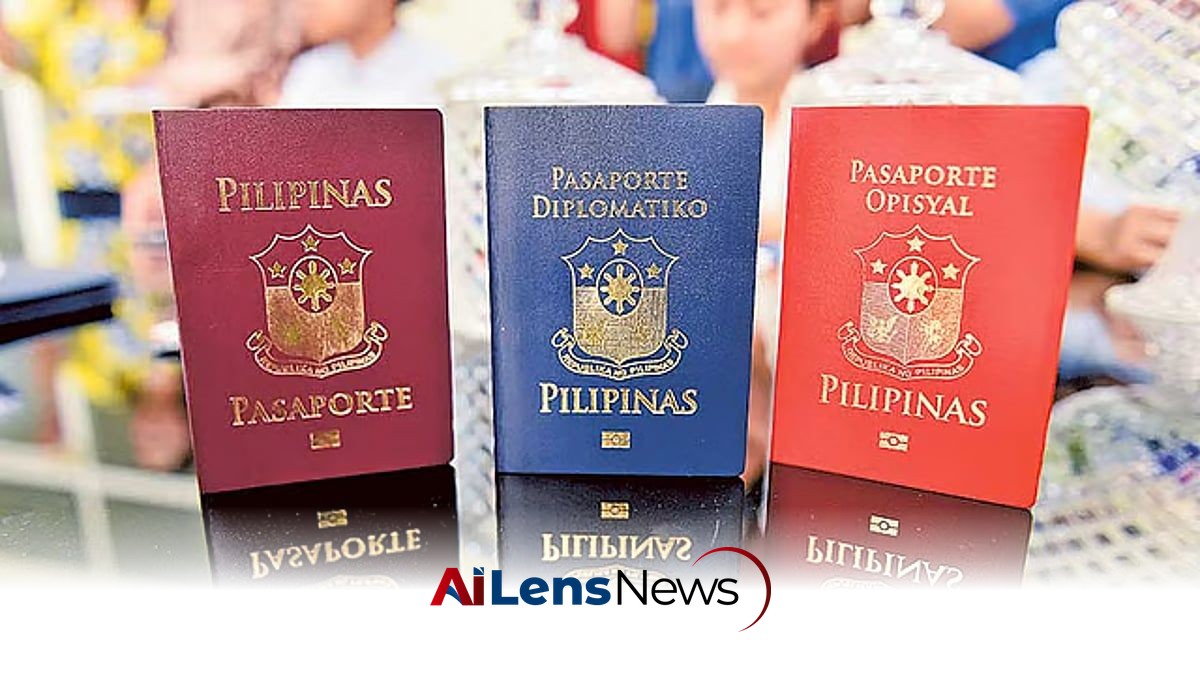


Discover the latest visa-free destinations and e-visa options for Filipino travelers planning their summer holidays in 2026.
Kuwait City, Kuwait Jul 26, 2026 ALN: Dubai: Filipinos planning overseas holidays this summer have more destinations they can visit with fewer visa requirements. This development is particularly significant as the travel industry continues to rebound from the disruptions caused by the COVID-19 pandemic, which had a profound impact on global travel patterns and visa policies.
The Philippine passport climbed three places to 72nd in the 2026 Henley Passport Index, up from 75th last year and marking its best showing since before the COVID-19 pandemic. Filipino passport holders can now travel visa-free to 65 destinations, while dozens more offer visa on arrival, electronic visas (eVisas), or electronic travel authorisations (eTAs). This increase in mobility reflects the Philippines' improving international relations and tourism strategies aimed at promoting travel.
The updated rankings come as travelers prepare for the peak summer holiday season, making it easier for Filipinos to identify destinations with simpler entry requirements. This is crucial for many travelers who may prefer spontaneity in their travel plans, especially after years of restrictions.
Before booking a trip, it's important to understand the different types of entry requirements:
Visa-free: No visa is required before departure or upon arrival, subject to the destination's permitted length of stay. This allows for greater flexibility and spontaneity in travel planning.
Visa on arrival: Travelers obtain their visa after landing at their destination. No advance visa application is needed, which can significantly simplify travel logistics.
eVisa (electronic visa): A digital version of a traditional visa that is applied for and issued online before travel. This process can often be completed quickly and conveniently from home.
eTA (electronic travel authorisation): An online travel authorisation that must be obtained before boarding a flight to certain countries. It is different from a visa but is still required for entry, making it essential for travelers to be aware of these requirements.
Filipinos can travel to 65 destinations without obtaining a visa before departure, which enhances their travel options significantly. Some notable visa-free destinations include:
Angola
Barbados
Benin
Bolivia
Brazil
Brunei
Burundi
Cambodia
Cape Verde Islands
Comoro Islands
Cook Islands
Costa Rica
Côte d'Ivoire (Ivory Coast)
Djibouti
Dominica
Ethiopia
Fiji
Guinea-Bissau
Haiti
Hong Kong (SAR China)
Indonesia
Iran
Israel
Kazakhstan
Kenya
Kiribati
Laos
Macao (SAR China)
Madagascar
Malawi
Malaysia
Maldives
Marshall Islands
Mauritania
Mauritius
Micronesia
Mongolia
Mozambique
Myanmar
Nepal
Nicaragua
Niue
Palau Islands
Palestinian Territory
Papua New Guinea
Peru
Rwanda
Samoa
Senegal
Seychelles
Sierra Leone
Singapore
Somalia
Sri Lanka
St. Vincent and the Grenadines
Suriname
Taiwan (Chinese Taipei)
Tajikistan
Tanzania
Thailand
The Gambia
Timor-Leste
Tuvalu
Vanuatu
Vietnam
In addition to visa-free access, 19 destinations allow Philippine passport holders to obtain a visa after landing, making last-minute travel easier than applying for a traditional visa in advance. These countries include:
Burundi
Comoro Islands
Djibouti
Ethiopia
Guinea-Bissau
Iran
Kyrgyzstan
Madagascar
Maldives
Marshall Islands
Mauritius
Mozambique
Nepal
Niue
Palau Islands
Samoa
St. Lucia
Tanzania
Tuvalu
For travelers looking to visit 47 destinations that issue electronic visas, they can apply for these visas online before departure. This process can often be completed quickly and conveniently, allowing travelers to finalize their plans without the need for in-person visits to embassies or consulates. Countries that require an e-visa include:
Albania
Anguilla
Antigua and Barbuda
Armenia
Azerbaijan
Bahrain
Bangladesh
Bhutan
Botswana
Burkina Faso
Cameroon
Congo (Dem. Rep.)
Cuba
Equatorial Guinea
Gabon
Georgia
Ghana
Guinea
India
Libya
Mauritania
Moldova
Montserrat
Namibia
Nigeria
Oman
Pakistan
Papua New Guinea
Qatar
Russian Federation
São Tomé and Príncipe
Somalia
South Africa
South Sudan
St. Helena
St. Kitts and Nevis
Syria
The Bahamas
Togo
Türkiye
Uganda
Ukraine
United Arab Emirates
United Kingdom
Uzbekistan
Zambia
Zimbabwe
Seven countries require Philippine passport holders to obtain an ETA, an online travel authorisation that is generally faster and simpler than a standard visa application. The countries that require an ETA include:
Israel
Kenya
Palestinian Territory
Seychelles
Sri Lanka
Timor-Leste
Trinidad and Tobago
The latest Henley Passport Index places the Philippines 72nd globally, its best performance since before the COVID-19 pandemic. This ranking signifies a notable improvement in the mobility of Filipino travelers, reflecting ongoing diplomatic efforts and the strengthening of international ties.
Although the ranking remains below its highest position of 62nd, achieved between 2007 and 2009, it represents steady progress after several years of fluctuations. The Philippines has experienced a complex journey over the past two decades, with varying levels of passport strength influenced by numerous factors, including international relations and domestic policy changes.
The Philippines ranked:
63rd in 2006
62nd from 2007 to 2009
Fell to 80th in 2015
Reached a low of 83rd in 2021
Recovered to 77th in 2022
Ranked 78th in 2023
Improved to 73rd in 2024
Slipped to 75th in 2025
Climbed to 72nd in 2026
What the Henley Passport Index measures
The Henley Passport Index ranks passports according to the number of destinations their holders can enter without obtaining a visa in advance. The index covers 199 passports and 227 destinations worldwide and is updated monthly. The rankings are influenced by a variety of factors, including bilateral agreements, historical relationships, and current geopolitical dynamics.
The 20th anniversary edition of the index notes that the average passport now provides visa-free access to 108 destinations, compared with 58 when the ranking was launched in 2006. However, it also highlights that passport strength continues to vary widely due to changing visa policies, diplomatic relations, security considerations, and geopolitical developments. This variability underscores the importance of staying informed about travel requirements, particularly for those planning international travel.
To learn more about the latest developments in Destinations, stay updated with our exclusive reports and analyses on AiLensNews.

