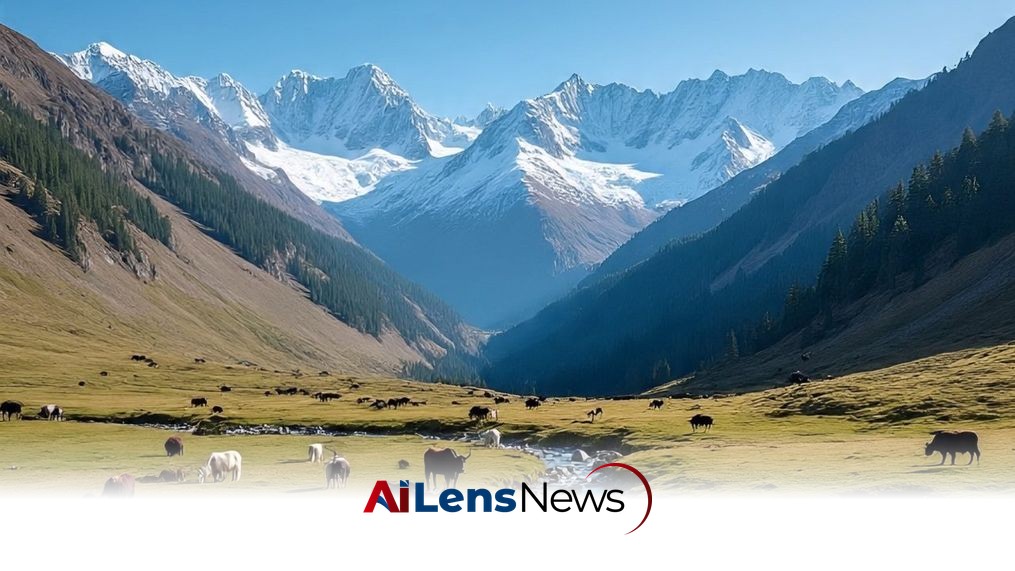


Discover the lesser-known valleys of Kashmir, where untouched nature and serene landscapes offer a tranquil escape from the bustling tourist spots.
Leh, India Aug 1, 2026 ALN: For decades, the classic image of Kashmir has been defined by a familiar itinerary: houseboats floating on Dal Lake, the terraced grandeur of the Mughal Gardens, the ski slopes of Gulmarg, the pine-scented glades of Pahalgam, and the glacier-fed streams of Sonamarg. While these iconic locations retain their timeless charm, they often draw bustling crowds, bustling markets, and commercial noise.
Yet, step off the well-trodden circuit—particularly toward the tranquil frontiers of North Kashmir and the lesser-explored central districts—and an entirely different Kashmir unfolds. Here lies a realm of sprawling high-altitude meadows, virgin deodar forests, ancient mountain cultures, and glacial rivers flowing in undisturbed silence. For travellers seeking genuine solitude and an immersive connection with nature, these hidden havens offer an unforgettable sanctuary.
North Kashmir is arguably the valley’s most dramatic, wild, and untouched region. Bordered by towering Himalayan ranges, its sub-valleys were closed or restricted to outside civilian travel for years, preserving their rustic lifestyle and pristine landscapes.
Tucked away in the Kupwara district at an elevation of over 10,000 feet, it is one of the largest high-altitude meadow ecosystems in the entire Kashmir region. It is around 125 Kms from Srinagar. Divided into Bod Bangus (Big Bangus) and Lokut Bangus (Small Bangus), this vast bowl-shaped pasture stretches across miles of carpeted wildflowers, ringed by dense coniferous forests and snow-capped mountain walls. Unlike Gulmarg, you won’t find cable cars, hotels, or paved promenades here. Instead, you’ll encounter Nomadic Gujjar and Bakarwal shepherds tending their flocks in seasonal wooden huts (dhokas). The air smells of wild thyme and pine needles, and the only soundtrack is the gentle chime of sheep bells and the rustle of wind through the trees.
No permanent commercial hotels or concrete guest houses exist directly inside the Bangus Valley meadows, and that may be the secret of its preserved serenity. Visitors, however, can pitch tents or use seasonal adventure camps set up by local tour operators during summer. A well-maintained JKTDC Rest House located in Reshwari overlooking the Mawar River, positioned about 15 kilometres before the valley can be booked.
Located around 123 km north of Srinagar across the dramatic 11,672-foot Razdan Pass, Gurez Valley feels like a place time forgot. Carved by the turquoise waters of the Kishanganga River, Gurez is framed by the formidable, pyramid-shaped Habba Khatoon Peak, named after the famous 16th-century Kashmiri poetess. Gurez is also home to the Dard-Shin community, who speak the unique Shina language and reside in traditional timber-and-mud houses. Spending a few days in Dawar or traveling deeper into the remote Tulail Valley allows you to experience mountain hospitality in its purest form—staying in local homestays, drinking hot Kahwa, and gazing at night skies completely unpolluted by city lights.
Tourists visiting Gurez Valley can stay in options ranging from hotels and resorts to traditional homestays and riverside campsites, mostly centred around the main hub of Dawar and nearby villages like Wanpora and Khandyal. Key accommodations include a Dak bungalow, the Gritti Castle Hotel and Restaurant, Pine Tree Resort Gurez, and several local homestays.
Located at a distance of 90 to 100 kms from Srinagar, known historically as the “Fruit Bowl of Kashmir,” it is an oval-shaped, emerald expanse filled with apple, walnut, cherry, and apricot orchards interspersed with dense deodar woodland. The valley’s beauty was famously lauded by the legendary poet Sir Muhammad Iqbal.
Lolab offers a gentle, soothing solitude ideal for leisurely walks and village immersions. Highlights include:
Visitors to Lolab Valley can stay at a local homestay in Diver or Lalpora, the Hotel Lolab Valley in Lalpora, or the government-run JKTDC Guest house in Chandigam. Home stays are comfortable with hygienically prepared traditional Kashmiri cuisine available.
If your journey doesn’t take you all the way to the far north, several tranquil spots closer to Central and South Kashmir offer quiet respite without lengthy road trips.
Located just 42 km from Srinagar in Budgam district, Doodhpathri (“meadow of Milk”) gets its name from the frothy, milky white water that cascades over smooth river boulders in the Shaliganga riverbed. Spread across undulating green hills that rival the Swiss Alps, Doodhpathri remains significantly less crowded than Pahalgam. A walk across the wooden footbridges leads to sprawling open pastures ideal for quiet day picnics or solitude under towering fir trees.
According to local folklore, Yusmarg (“Meadow of Jesus”) was once visited by Jesus Christ. Situated 47 km southwest of Srinagar, this expansive meadow serves as a gateway to the Pir Panjal range. A gentle 3.5 km forest trail from Yusmarg leads to Nilnag, a tranquil blue mountain lake nestled deeply within dense pine woods. For those looking to trek further, Yusmarg acts as a base for short expeditions to Sang-e-Safed, a frozen lake high in the mountains.
Tucked away in the Shangus area of South Kashmir’s Anantnag district, Chatpal is virtually untouched by commercial tourism. With no luxury resorts, markets, or noisy crowds, Chatpal features simple forest rest houses, mountain streams, and vast stretches of pine and walnut groves. It is the ultimate retreat for creative minds, writers, or anyone seeking complete digital detox and natural peace.
The best season for visiting the places described in this article is June to October. It brings lush green pastures, blooming wildflowers, pleasant daytime weather, and accessible mountain passes.
Kashmir’s famous landmarks will always hold an undeniable grandeur, but its quietest corners reveal the true, beating heart of the valley. Standing on a vast pasture in Bangus with only the alpine breeze for company, drinking tea in a wooden home in Gurez, or listening to the river flow through Chatpal reminds us of what travel is meant to be: an unhurried, soul-stirring communion with nature and community. For those willing to venture just a bit further, the lesser-known valleys of Kashmir promise memories of solitude that linger long after the journey ends.
Prof Upendra Kaul, Founder Director Gauri Kaul Foundation.
To learn more about the latest developments in Destinations, stay updated with our exclusive reports and analyses on AiLensNews.

