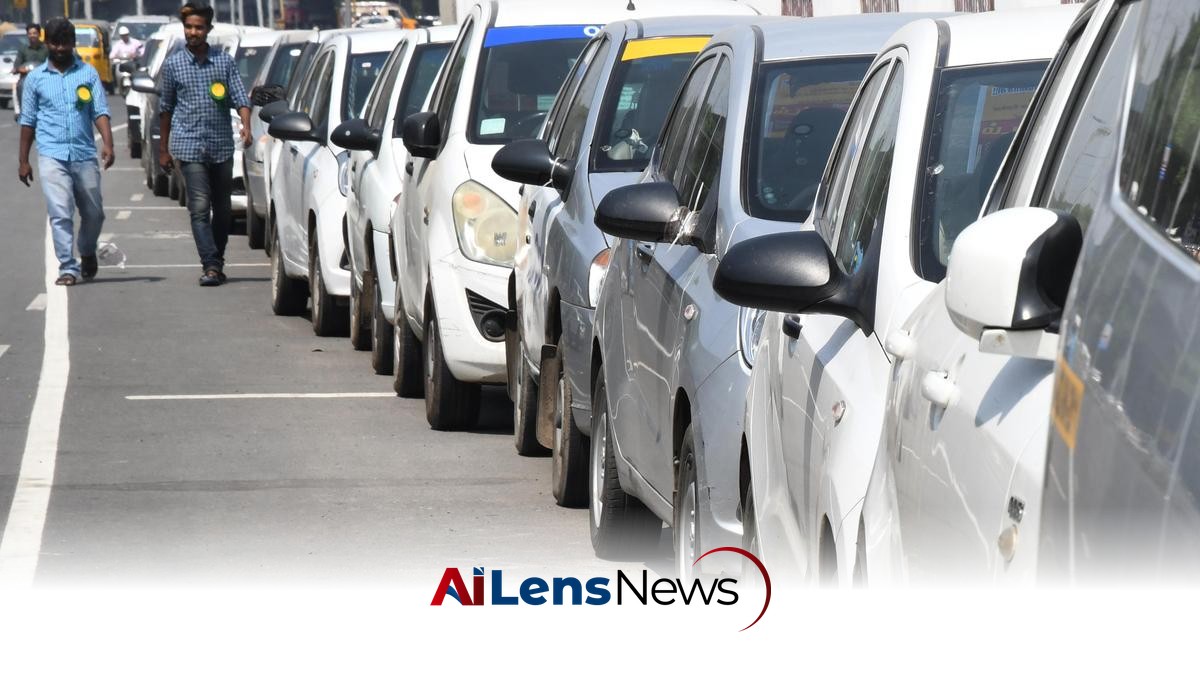


In response to driver protests, tourism officials are pushing for mandatory facilities like washrooms and dormitories in hotel star-rating norms.
Thiruvananthapuram, India Jul 30, 2026 ALN: Tourism (KT) is set to engage with the Centre in a significant advocacy effort aimed at revising the criteria used by the Union Tourism Ministry for issuing star ratings to hotels and resorts. A senior KT official stated that the initiative seeks to include essential amenities such as well-maintained washrooms and dormitories specifically designed for drivers. This step comes in the wake of a protest that took place on Friday at a luxury hotel, where drivers voiced their demands for proper restroom facilities.
The current star-rating system predominantly emphasizes criteria that enhance the guest experience, focusing on aspects such as guest accommodation and dining options. This leaves little room for the needs of drivers, who play a crucial role in the tourism sector, often working long hours to transport tourists to various destinations. The absence of dedicated amenities for drivers has raised concerns, prompting KT and the Travel Mart (KTM) Society to previously attempt to establish essential infrastructure at hotels and resorts. However, the official acknowledged that much work remains to be done to ensure that drivers have access to the facilities they need.
In light of the ongoing challenges, two potential options have been identified for addressing the lack of amenities for drivers. The first option involves constructing dedicated facilities on hotel properties that have available land. This would allow hotels to create spaces that cater specifically to the needs of drivers. The second option is to establish partnerships with nearby lodges or budget hotels, where drivers could find affordable accommodation and restroom facilities. Such partnerships could alleviate some of the burdens faced by drivers, providing them with safe and clean places to rest.
Sources within the Union Tourism Ministry have indicated that their current focus is on infrastructure that enhances the overall experience for guests at hotels and resorts. They noted that while the Ministry does not mandate driver amenities as part of the star-rating criteria, local bodies have the authority to enforce the provision of restroom facilities and other necessary infrastructure for drivers. Local authorities issue the no-objection certificate (NOC) required for the operation of such establishments, which gives them the power to ensure that facilities for drivers are included in the operational requirements.
In September 2024, the government took a proactive step by issuing an order that mandates tourist accommodation units to provide clean and adequate restroom facilities for tourist taxi drivers. This order was a direct acknowledgment of the essential role drivers play in the tourism sector and followed a stakeholder meeting convened by the then Tourism Minister to address the myriad challenges faced by drivers of tourist vehicles. The order aimed to ensure that drivers have access to basic amenities, which are crucial for their well-being and comfort, especially considering the long hours they spend on the road.
Jackson Varghese, a prominent advocate for driver rights and the leader of a hunger strike in 2019, has been vocal about the necessity of enforcing this government order. As the State president of the Online Drivers’ Union, Varghese has emphasized that the order is binding on all four- and five-star accommodation units, which must provide not only clean dormitory accommodations but also basic infrastructure for drivers who transport guests. He expressed concern that many of these establishments have failed to implement the order, leaving drivers with few options. Often, they are forced to use washrooms in nearby shopping malls or eateries, and in some cases, they resort to sleeping inside their cars due to the lack of proper facilities.
The situation faced by drivers has dire implications for their health and safety. Over the past decade, there have been tragic incidents where drivers have died after sleeping in their cars with the air conditioning running, only to succumb to carbon monoxide poisoning when the fuel ran out. This issue has been particularly acute in areas like Alappuzha, where drivers often find themselves sleeping beneath trees or by the roadside after dropping off guests at houseboats. The lack of safe and clean resting areas not only poses health risks but also highlights the broader systemic issues within the tourism industry regarding the treatment and welfare of those who support it.
As tourism continues to grow as a vital sector for many economies, the need for a comprehensive approach to driver welfare becomes increasingly urgent. The inclusion of driver amenities in hotel star-rating criteria could serve as a crucial step towards recognizing and addressing the needs of these essential workers. By ensuring that drivers have access to proper facilities, the tourism industry can foster a more sustainable and equitable environment for all stakeholders involved.
This advocacy effort by KT and the potential changes to the star-rating criteria reflect a growing awareness of the importance of supporting not only tourists but also the drivers who facilitate their journeys. The successful implementation of these changes could set a precedent for other regions, encouraging a more holistic approach to tourism that values the contributions of all individuals involved in the industry.
In conclusion, the push for driver amenities in hotel star-rating criteria is a significant development in the tourism sector that underscores the need for systemic change. As KT engages with the Centre to advocate for these essential facilities, the implications of their efforts could resonate far beyond the immediate context, fostering a more inclusive and supportive tourism landscape for drivers and, ultimately, for the industry as a whole.
To further understand the implications of this advocacy, it is essential to consider the broader context of the tourism industry and its relationship with labor. The tourism sector is often characterized by its reliance on a diverse workforce, including drivers, guides, and service staff, who contribute to the overall experience of travelers. However, the recognition of their needs has historically lagged behind the focus on guest satisfaction. This imbalance can lead to high turnover rates, dissatisfaction among workers, and ultimately, a decline in service quality.
Moreover, the lack of proper amenities for drivers can have a cascading effect on the tourism experience itself. When drivers are not provided with adequate rest and facilities, their ability to perform effectively is compromised. Fatigue can lead to safety issues on the road, affecting not only the drivers but also the tourists they transport. This highlights the interdependence between driver welfare and the overall health of the tourism industry.
In recent years, there has been a growing movement towards responsible tourism, which emphasizes ethical practices and the well-being of all stakeholders in the tourism ecosystem. This movement advocates for the rights of workers in the industry, pushing for better working conditions and fair treatment. The push for driver amenities aligns with these broader trends, signaling a shift towards a more equitable approach to tourism.
Furthermore, the current global emphasis on sustainability and corporate social responsibility (CSR) has placed additional pressure on businesses within the tourism sector to adopt practices that support their workers. The inclusion of driver amenities in star-rating criteria could be seen as a step towards fulfilling these CSR obligations, demonstrating a commitment to the welfare of all individuals involved in the tourism process.
The potential changes to the star-rating criteria could also serve as a catalyst for other sectors within the hospitality industry to reevaluate their own practices regarding worker amenities. If hotels and resorts begin to prioritize the needs of drivers, it may inspire similar initiatives in restaurants, attractions, and other service providers that interact with the tourism sector.
In summary, the advocacy for driver amenities in hotel star-rating criteria is not just a matter of improving facilities; it is a call for a systemic shift in how the tourism industry values and supports its workforce. As KT engages with the Centre to push for these changes, the implications could reach far beyond the immediate needs of drivers, influencing the overall landscape of the tourism industry and promoting a more sustainable and equitable future for all involved.
To learn more about the latest developments in Destinations, stay updated with our exclusive reports and analyses on AiLensNews.

